Skip to content Search engine

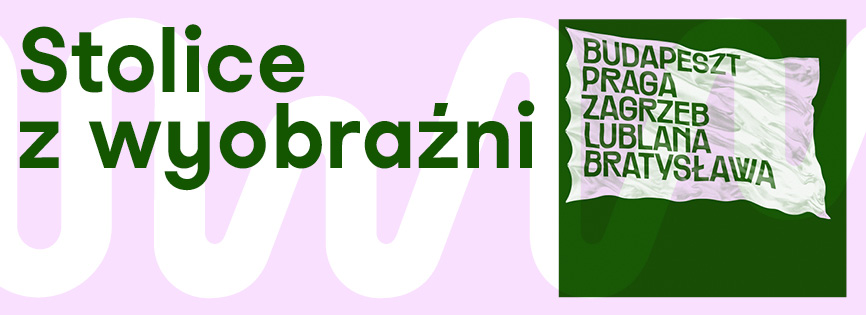
Imaginary capitals

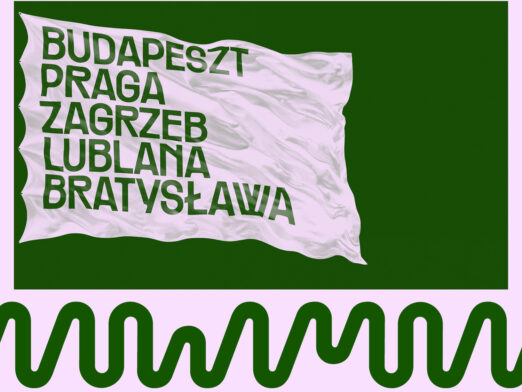
At the turn of the 19th and 20th centuries, Central Europe became a stage for the imagination. As recently as two hundred years ago, Budapest, Prague, Zagreb, Ljubljana and Bratislava were just a few of the many cities within the Habsburg Monarchy. Their future status as capital cities was neither obvious nor "natural". The nations of which they are now the capitals were only just taking shape or existed in a completely different form.

Podcast: Imaginary capitals

“I was fascinated and intrigued by the nature of these capitals and why these particular cities, rather than others, became capitals,” says Dr Łukasz Galusek. In conversation with Justyna Nowicka, in the latest episode of Radio Kraków’s podcast “An Alternative Map of Central Europe”, the author of the book „Wyobrażone stolice. Miasta monarchii habsburskiej jako centra narodów 1815-1918″ shows that the nations of our region first ‘created’ their own capitals using a DIY approach, and only later came to have states of their own. Through architecture, culture, national institutions and the consistent work of the collective imagination, they crafted the urban backdrops for their future sovereignty. Politics and treaties merely added borders to the map later on, a map that had already been formed in the minds of the inhabitants.

Production: Radio Kraków 

Publications
Publications

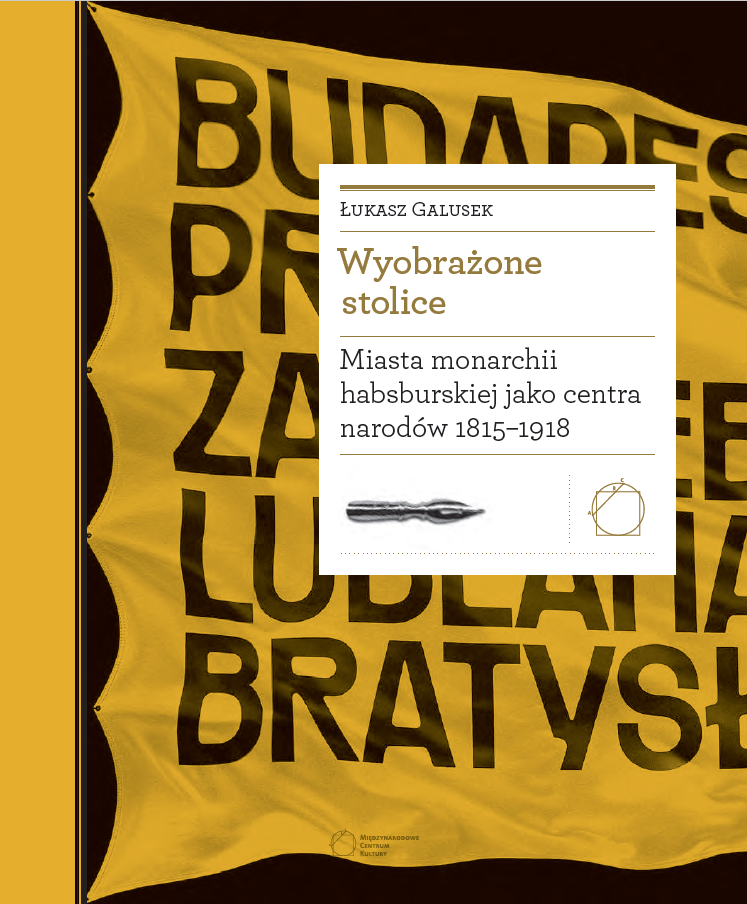
Wyobrażone stolice. Miasta monarchii habsburskiej jako centra narodów 1815–1919
Czy stolica może istnieć bez państwa? I czy miasto może się stać centrum narodu, zanim ten zdobędzie niepodległość? Książka Łukasza Galuska pokazuje dziewiętnastowieczną Europę Środkową, w której pozbawione własnych państw narody tworzyły swoje „wyobrażone stolice”.
Author of the publication: Łukasz Galusek

Return to the top