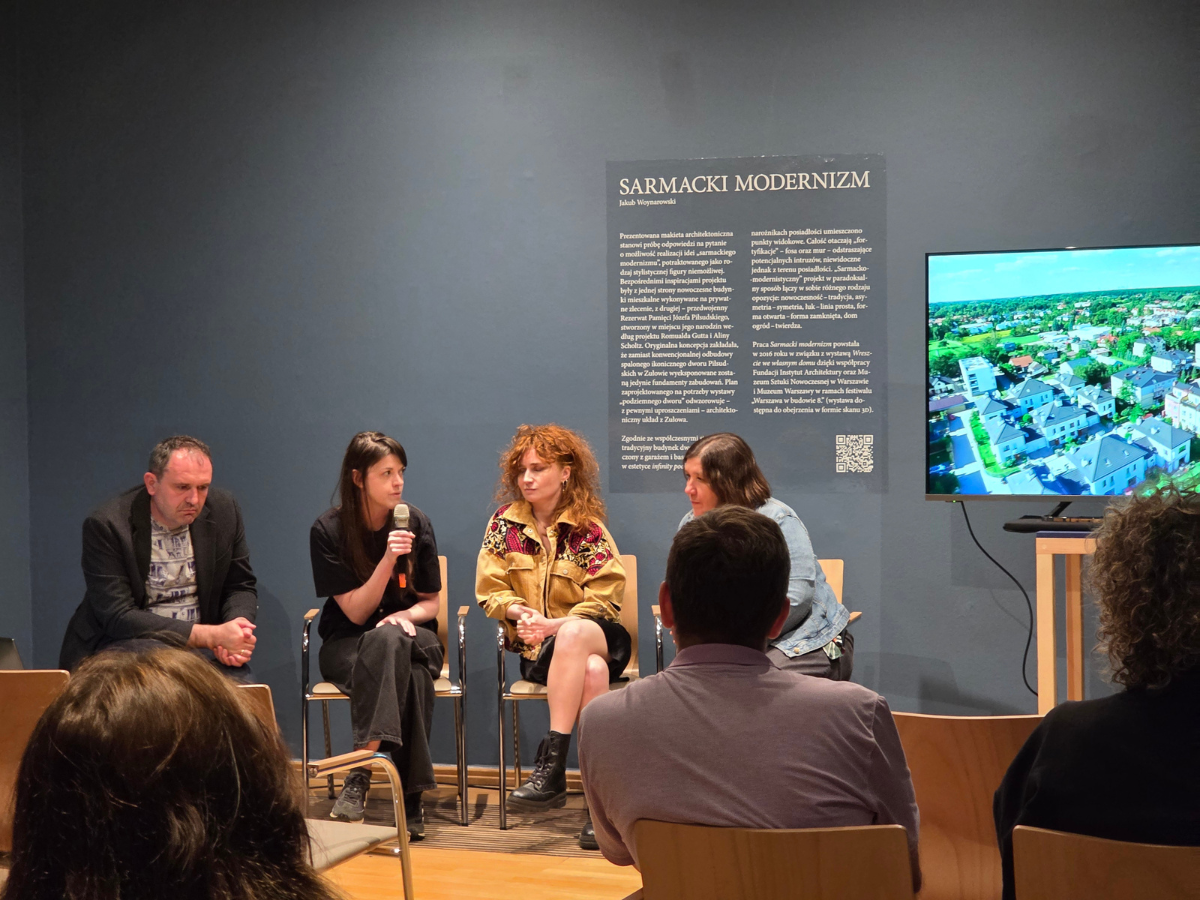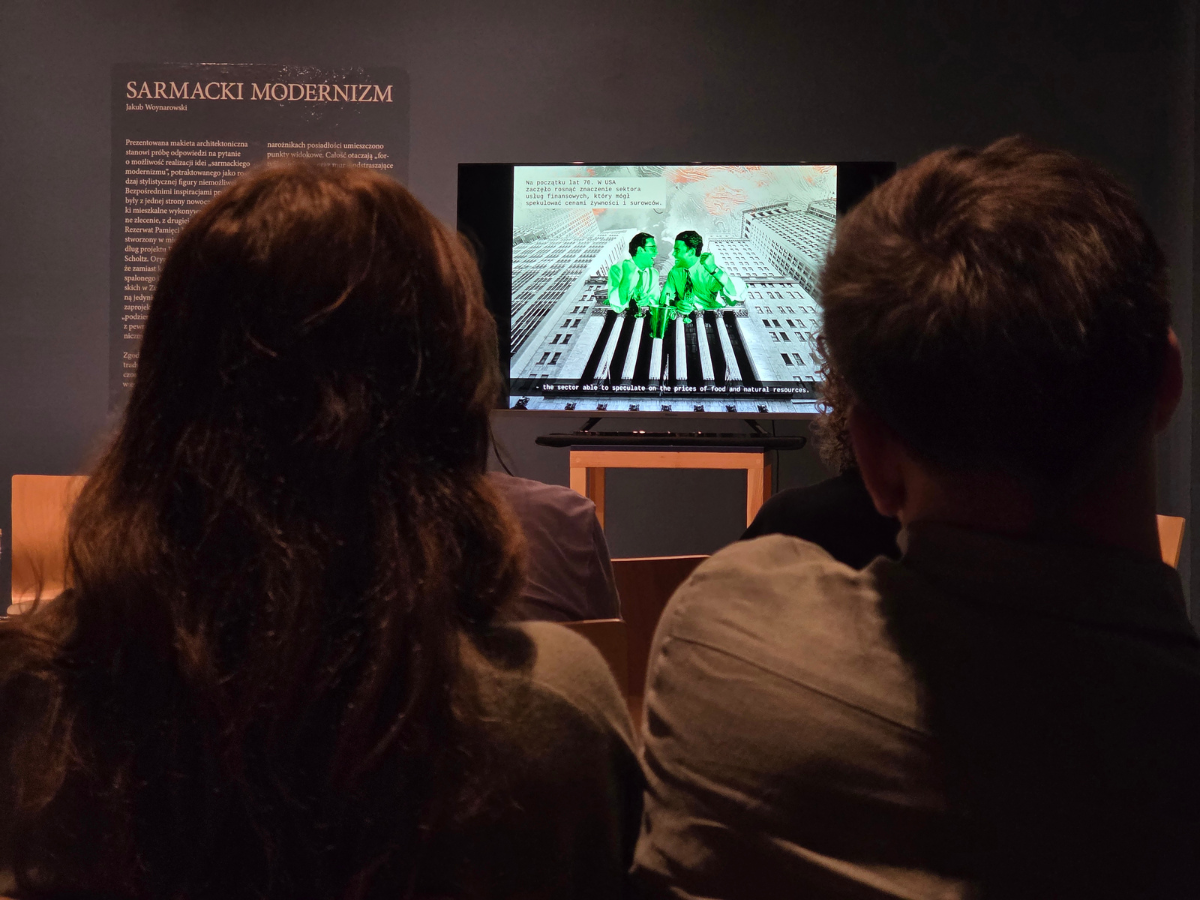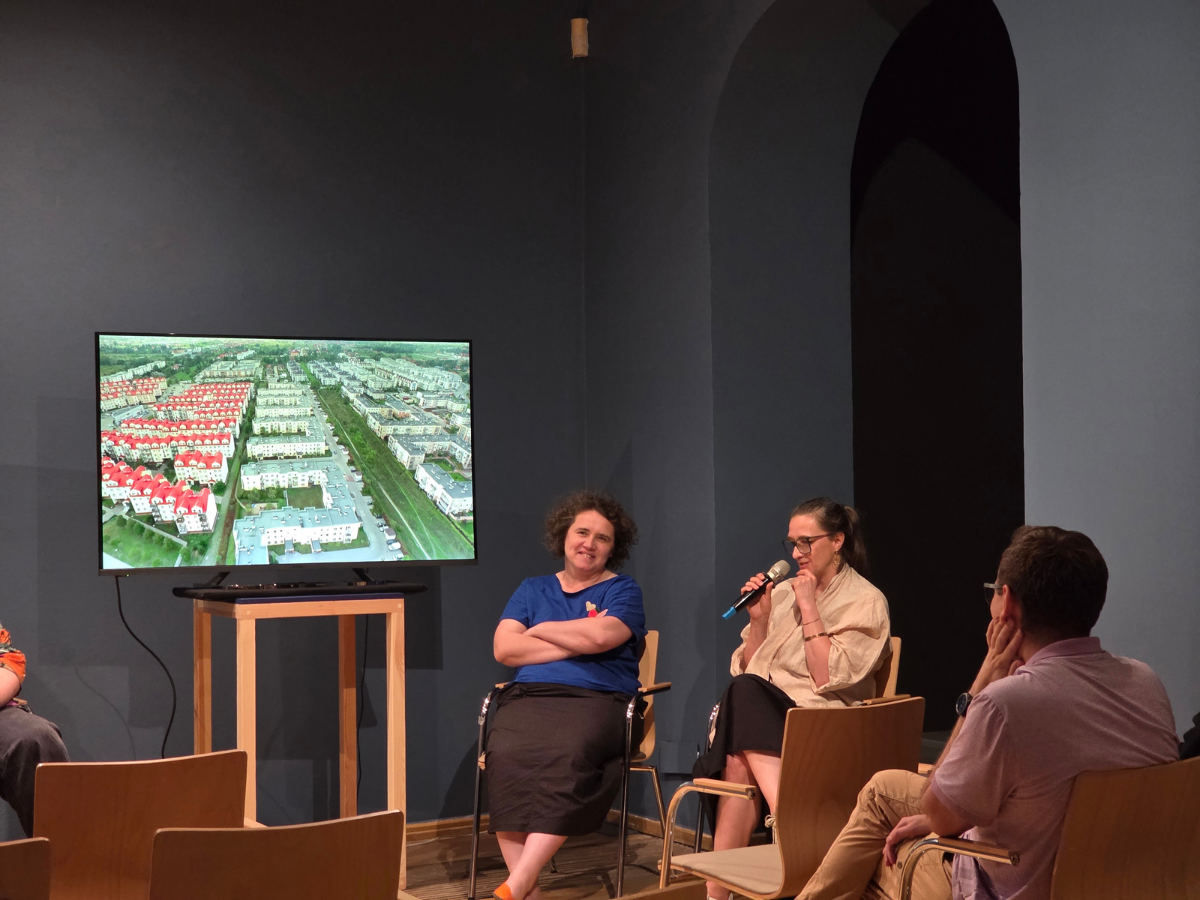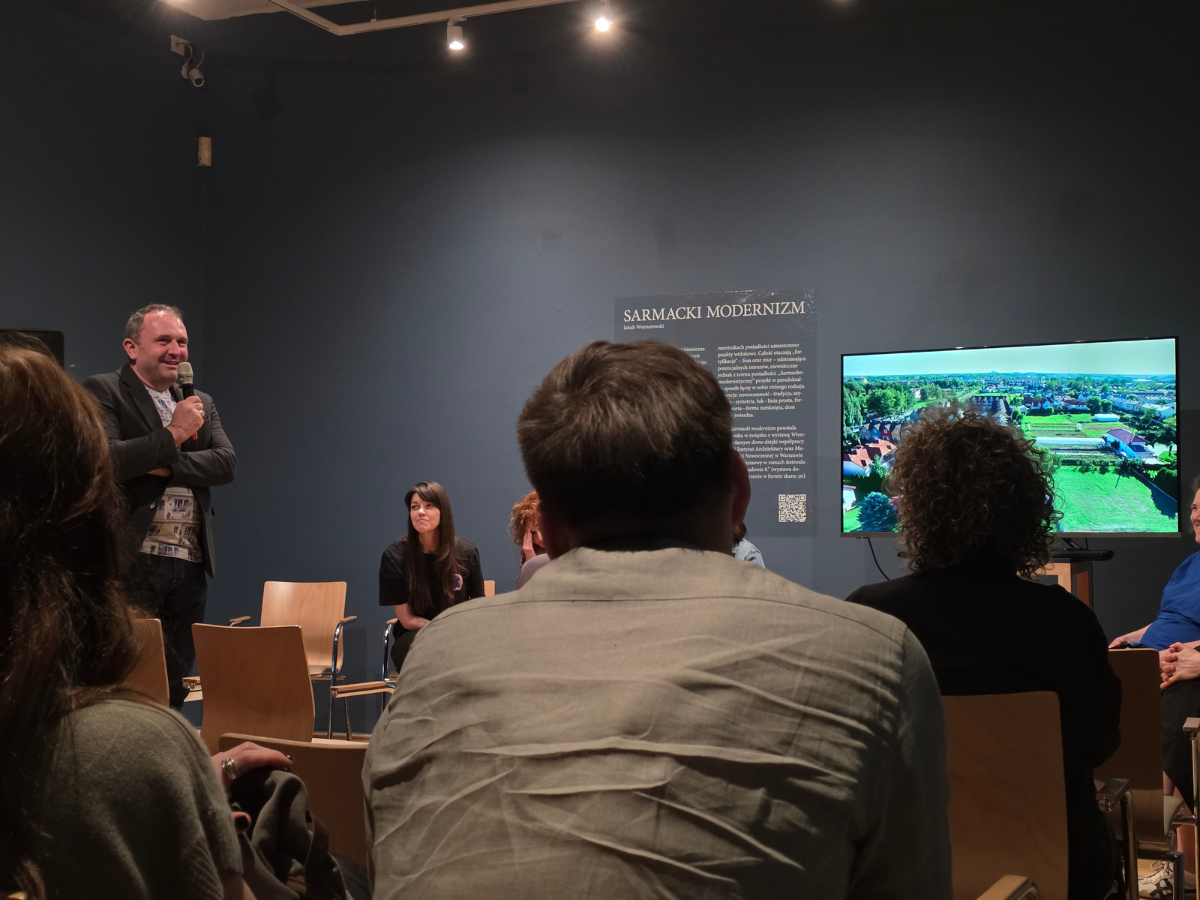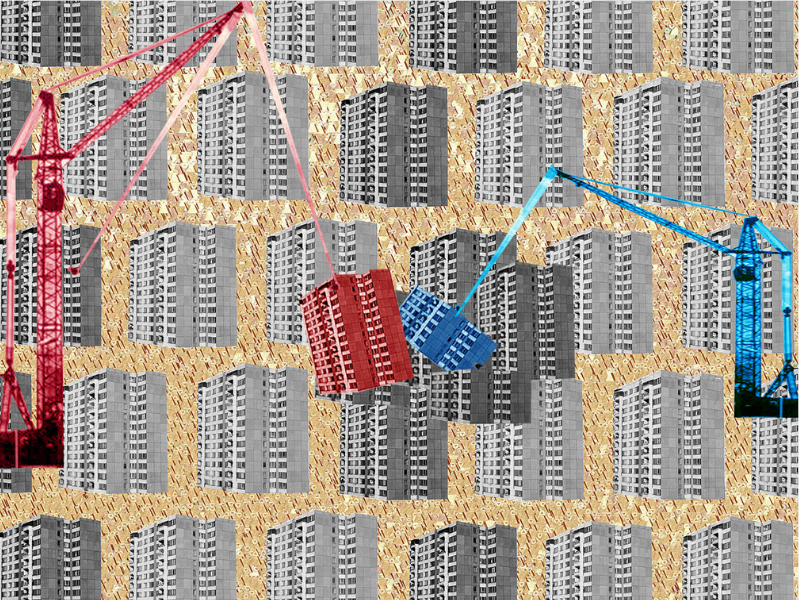
Can we afford our own home today, and what are the true costs – social and personal? Have we swapped “I am” for “I have” today and what does the housing situation in Poland say about our aspirations? Join us for a screening of films exploring Polish housing policy, its origins and spatial consequences. Building on these, we will discuss the housing situation in our country and its impact on society. The event accompanies the presentation of Jakub Woynarowski’s model “Sarmatian Modernism”.
Wednesday 27 May, 18.00
Participants: Barbara Nawrocka, Dominika Wilczyńska/Miastopracownia
and
Dorota Jędruch, Marta Karpińska, Dorota Leśniak-Rychlak, Michał Wiśniewski/Institute of Architecture
Films presented:
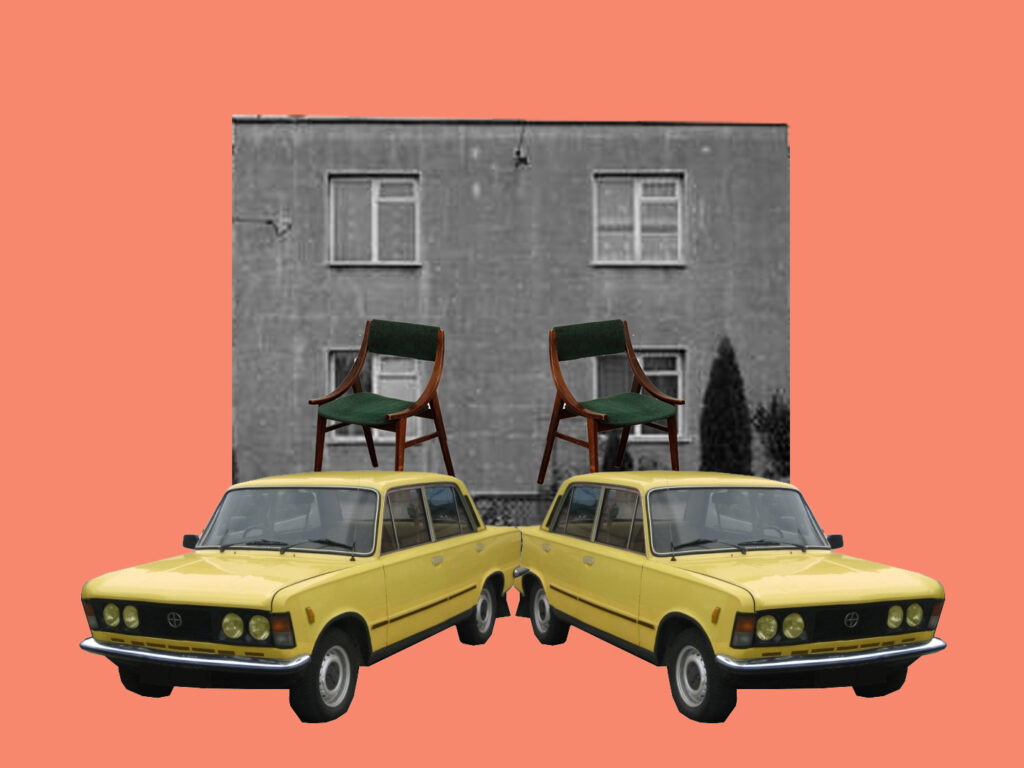
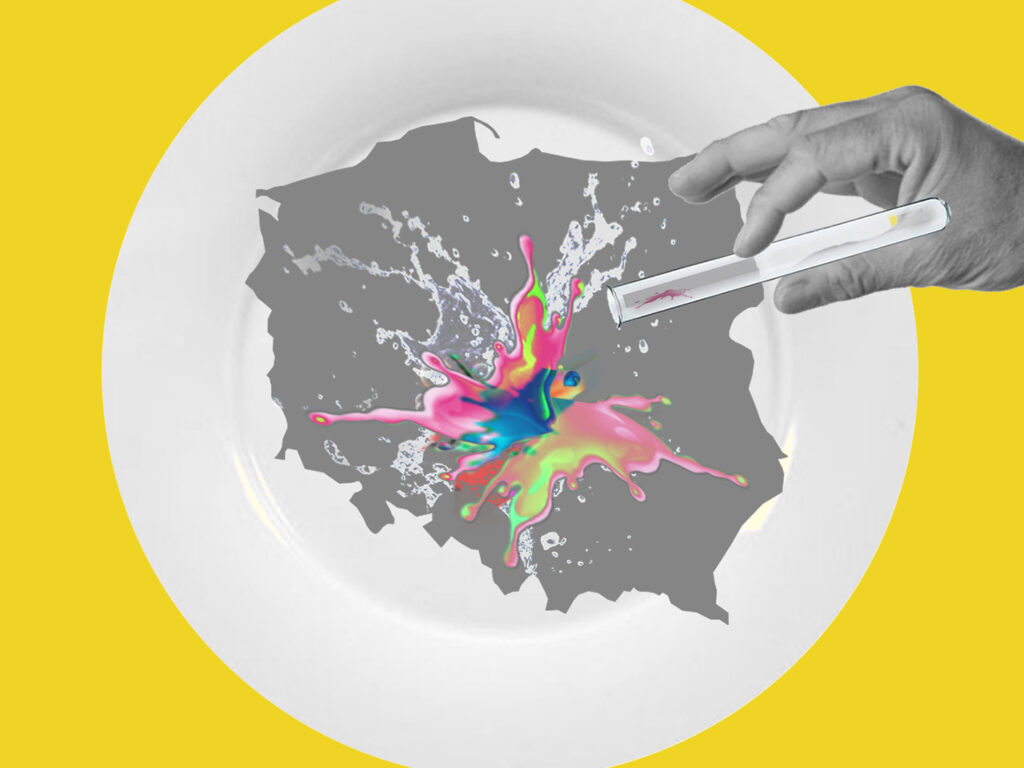
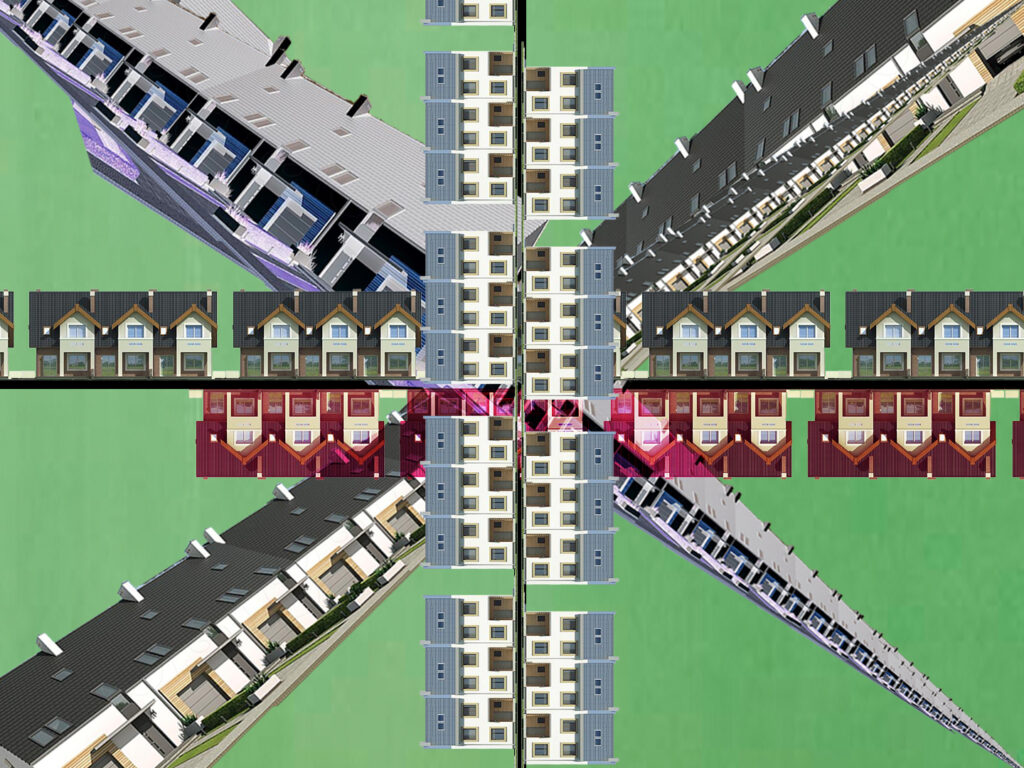
“Triptych on the Polish Transformation” (parts 1, 2, 3), 2016.
animation: Barbara Nawrocka, Dominika Wilczyńska/Miastopracownia
screenplay: Marta Karpińska, Michał Wiśniewski/Institute of Architecture
“The Little White House”, 2016
Ewa Hevelke, Michał Januszaniec
“We are finally in our own home. Don’t stand there, don’t wait. What to do? Help!” – proclaimed the actors at the start of the transformation and the implementation of the Balcerowicz Plan. The slogan was meant to symbolise the end of the division between the authorities and society, and the joint building of capitalist prosperity. At that time, “home” meant Poland, but the transition also brought the literal fulfilment of the dream of owning one’s own flat or house.
After years of living in tower blocks and cramped flats during the communist era, many Poles moved to the suburbs. We bought plots of land, fenced off housing estates, decorated our homes to suit our aspirations and took out loans – often in foreign currency. Over time, we swapped the collective “we” for “I”, or perhaps even more so for “I have”.
But is a house bought on credit really “one’s own”? Why has property ownership become a status symbol, and taking out a loan a measure of civic maturity? What mechanisms were at work in the construction of the middle class: from what materials was it built, and from what practices and dreams were its interiors formed?
Since the 1990s, the growth of property development has contributed to chaotic suburbanisation. Expanding suburbs generate high infrastructure costs and make residents dependent on cars, often failing to provide access to services, schools or healthcare. This process has clearly accelerated in recent years.
During the meeting, we will watch films addressing housing issues and discuss the problems of the suburbs, the state of cities and contemporary housing.
The event accompanies the exhibition of the “Sarmatian Modernism” model, on display until 30 May at the ICC Bookshop.
Participants in the meeting:
The Institute of Architecture Foundation:
Dr Michał Wiśniewski – Head of the Education Department at the MCK – Heritage Academy, architectural historian, curator of architectural exhibitions, and author of books on the history of architecture. Staff member at the University of Economics in Krakow and a Fulbright scholar. Member of the board of the Institute of Architecture Foundation.
Dr Dorota Jędruch – graduate in art history from the Jagiellonian University. She works at the Department of Modern Art History at the Institute of Art History, Jagiellonian University. Co-founder of the Architecture Institute Foundation. She contributes to the quarterly “Autoportret. A Journal of Good Space”.
Marta Karpińska – art historian, journalist, deputy editor of the quarterly “Autoportret. A Journal of Good Space”. From 2009 to 2013, editor of the monthly “Architektura&Biznes”. Member of the board of the Institute of Architecture Foundation.
Dr Dorota Leśniak-Rychlak – art historian and architect, editor-in-chief of “Autoportret. A Journal of Good Space”. Author of the book “We Are Finally in Our Own Home” (Institute of Architecture 2019). Chair of the Institute of Architecture Foundation.
Miastopracownia:
Dominika Wilczyńska and Barbara Nawrocka – founders of Miastopracownia, a Kraków-based architecture and design studio operating at the intersection of architecture, urban planning and art. The studio focuses on socially engaged and environmentally responsible projects in Poland and around the world. The work produced there explores inclusive meeting places, feminist design and architecture for non-human users. Dominika Wilczyńska and Barbara Nawrocka’s projects have won numerous national and international awards, including the main prize at the BIO50 Design Biennale in Ljubljana.
“A Triptych on Poland’s Transformation”, animation: Barbara Nawrocka, Dominika Wilczyńska/Miastopracownia: