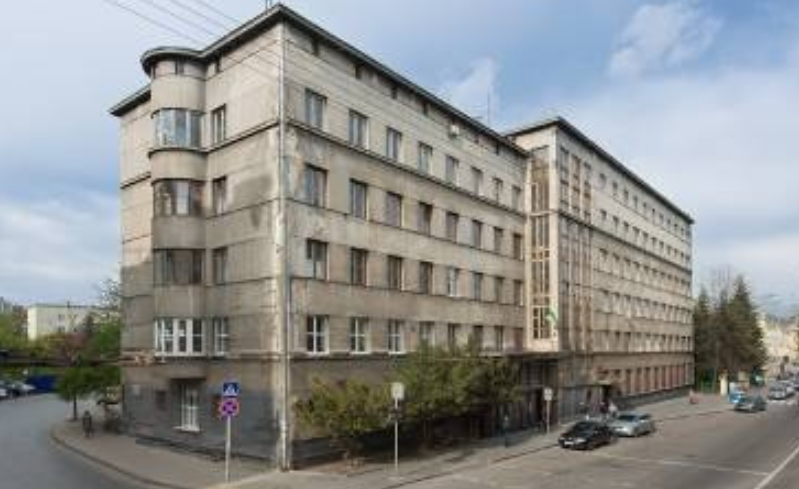
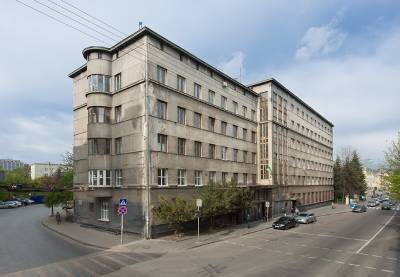
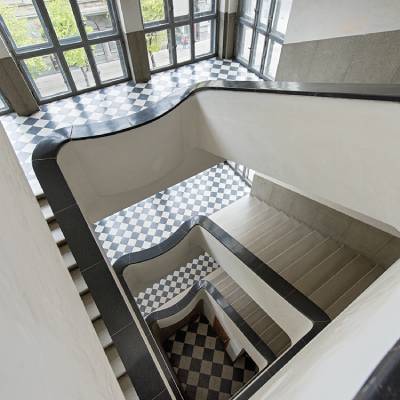
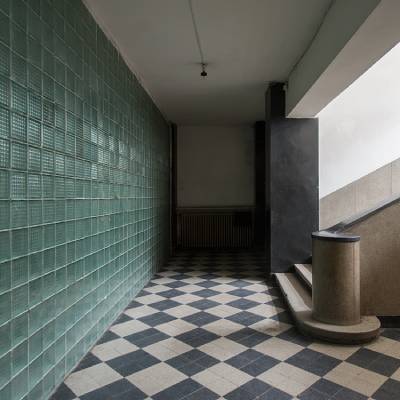
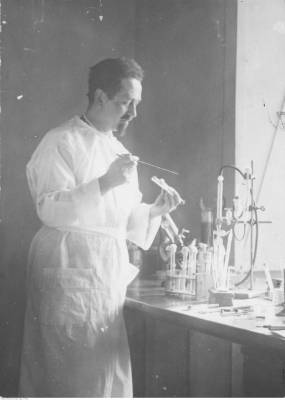
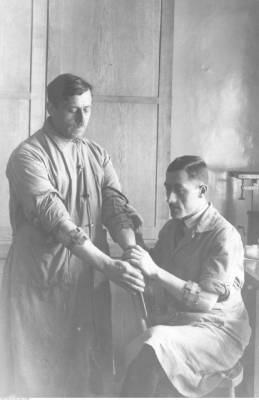
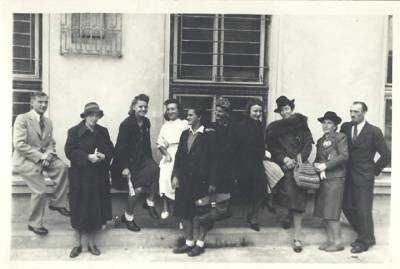
During the Nazi occupation, the modern rooms were converted into a research institute headed by Rudolf Weigl, a professor at the University of Lviv. He created a center of research on typhus in Lviv with wide publicity, a meeting place for the most eminent scientists in the interwar period. At that time, a world-renowned biologist discovered a vaccine for one of the deadliest diseases ever.
During the war, the Weigel Institute on Zielona Street became a place where the lives of Lviv people were saved, hiring them to feed lice used in the study. The Institute’s collaborators, including so-called lice feeders, received documents and food allowance to protect them. In this way, the professor helped about four thousand people. He saved, among others Stefan Banach and Zbigniew Herbert. The typhus vaccine produced at his Institute was illegally transferred to civilians fighting underground, and was also sent to the Lviv and Warsaw ghettos.
Publications
Publications
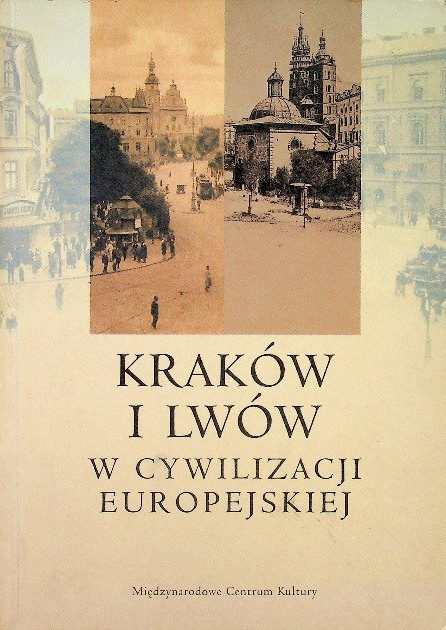
Kraków i Lwów w cywilizacji europejskiej
Bardzo bogaty interdyscyplinarny materiał zamieszczony w tej książce jest efektem konferencji „Kraków i Lwów w cywilizacji europejskiej” oraz dyskusji panelowych, zatytułowanych „Kraków i Lwów – pomiędzy prowincją a metropolią” i „Kraków i Lwów w Europie jutra”, które odbyły się w Krakowie, w Międzynarodowym Centrum Kultury w dniach 15–16 listopada 2002 roku. Artykuły i wypowiedzi uczestników dyskusji w wielu przypadkach były próbą odpowiedzi na pytanie o Europę jutra – Europę bez granic. Sięgnięto zatem do historii tych miast okresu wczesnosłowiańskiego, dynastii Jagiellonów, Habsburgów, imperium sowieckiego, aby określić ich miejsce w cywilizacji europejskiej. Zwracano uwagę na wieloetniczność, wielowyznaniowość, uwarunkowania polityczne Lwowa, dla którego to bogactwo nie zawsze było korzystne, szczególnie z perspektywy narodów w nim żyjących. Te zagadnienia znalazły odzwierciedlenie między innymi w historiografii Lwowa (pisanej zgodnie z orientacją autorów) – polskiej, austriackiej, ukraińskiej, żydowskiej i sowieckiej, co stanowi swego rodzaju ewenement w odniesieniu do jednego miasta. Czy Kraków i Lwów były metropoliami, kiedy stały się miastami prowincjonalnymi, jaką rolę odgrywała w nich kreatywność środowisk intelektualnych, a jakie były rezultaty zniewolenia i ideologii sowieckiej, to jedynie kilka z zagadnień poruszanych w niniejszej publikacji.
Author of the publication: Praca zbiorowa
A great biologist and a man who saved thousands of people, although he was nominated for the Nobel Prize three times, he never received it. He was buried at the Rakowicki Cemetery in Krakow.
The building described was presented at the one of the exhibits “Lviv, 24th June 1937. City, architecture, modernism” (ICC Gallery, 2018), presenting models of major Lviv modernist buildings.