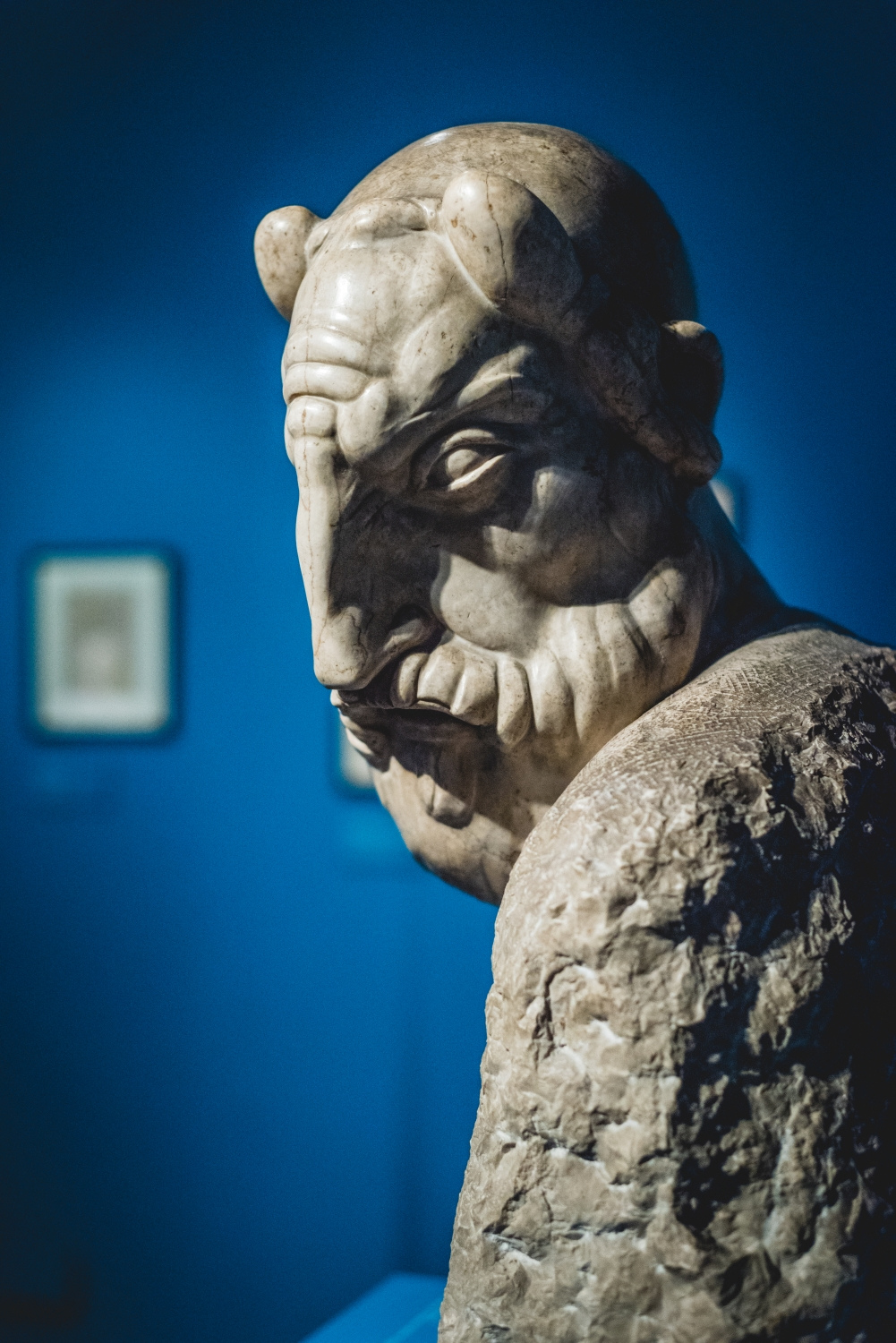
In the avant-garde age, Meštrović did not agree to abandon the rules of composition, the secrets of craftsmanship, and classic materials. His imagination was rooted in great ancient and European art. He did not have to turn away from its heritage to respond to the challenges of today. That is why Jerzy Stempowski described him as “the greatest genius of monumental sculpture since antiquity.”
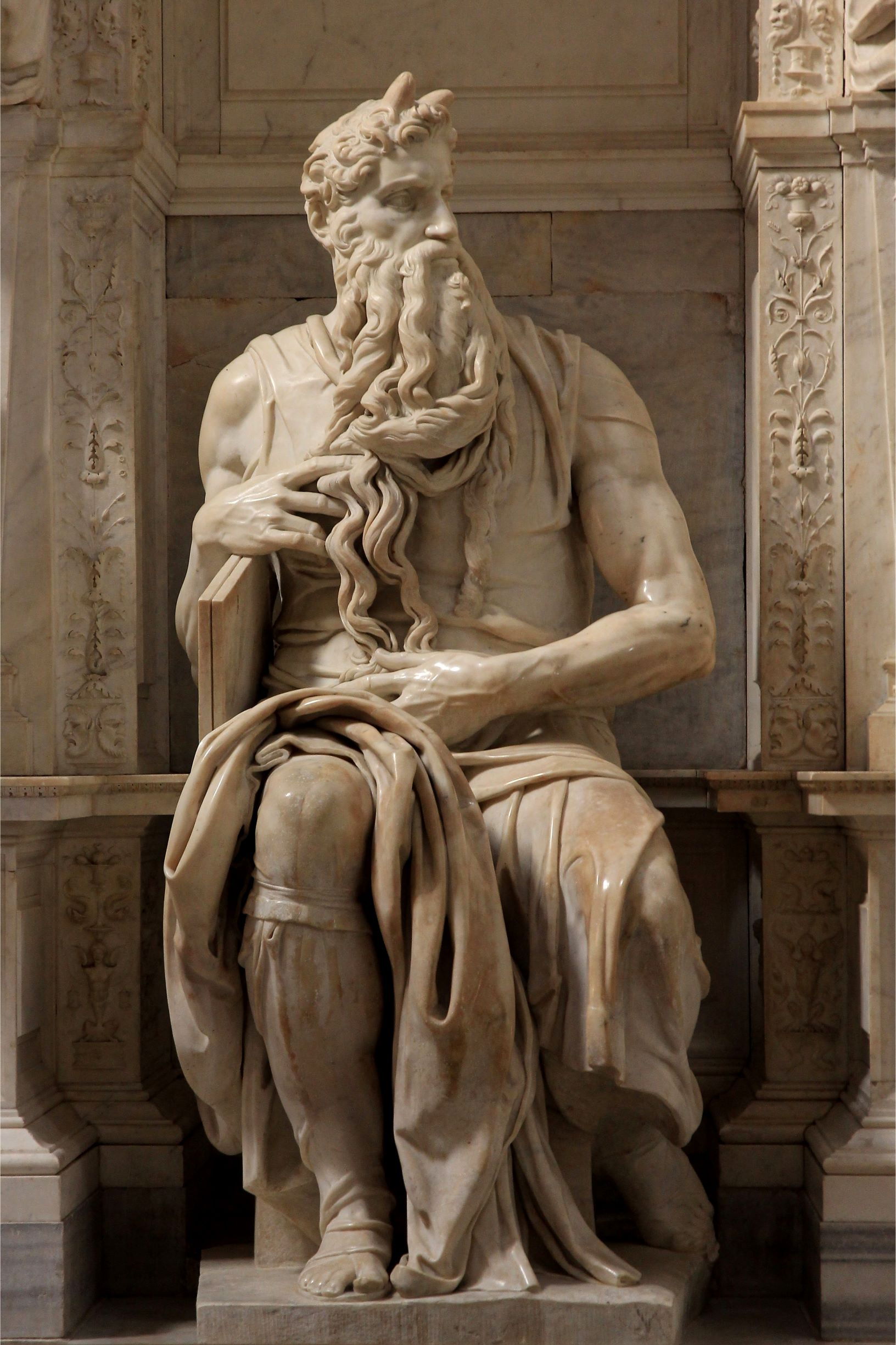
Not without exaggeration Meštrovic is called Dalmatian Michelangelo. Both were sculptors and architects at the same time. Both of them were able to convey the complicated nature of emotions in inanimate material. This is “The Head of Moses” – marble with the fierce gaze of the legislator. In addition, this work perfectly combines the Renaissance heritage with the Slavic folk tradition, thanks to the severe “dynastic” facial features that the sculptor gave the prophet.
Publications
Publications
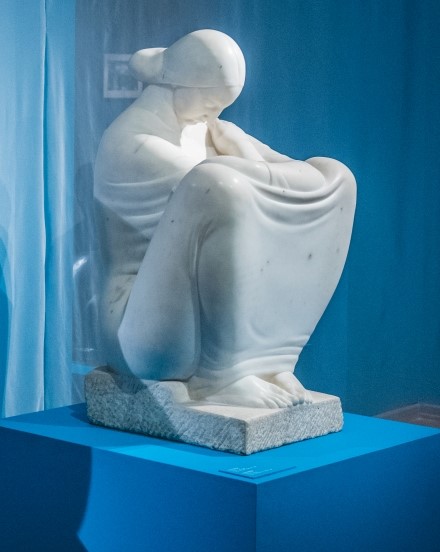
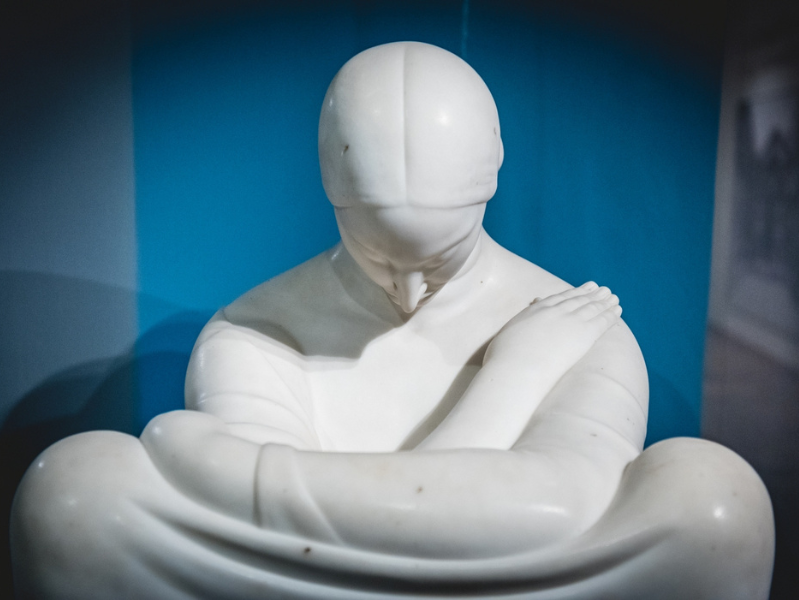
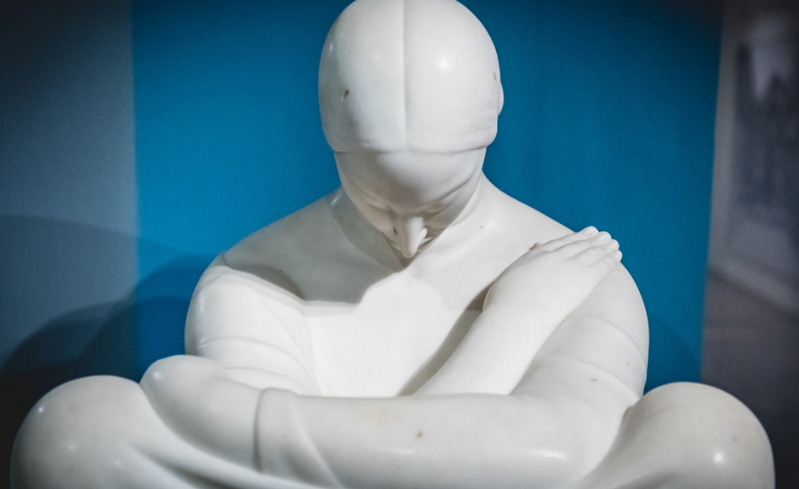
Many of Meštrovic’s works are enveloped in the aura of the Adriatic. One of them is “Contemplation” carved in Carrara marble, full of grace, but also melancholy, with delicate folds of robe from which the shapes of the female body emerge. Meštrović was able to extract something mysterious or even mystical from this noble stone. This marble brings light with it.
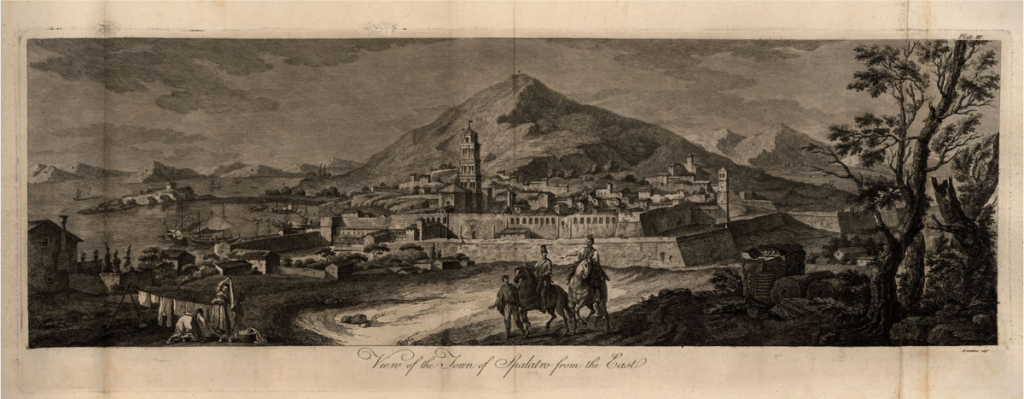
View of Split, a print by Francesco Bartolozzi to the famous book of Robert Adam “Ruins of the palace of the Emperor Diocletian at Spalatro in Dalmatia”.
Robert Adam is one of the most important classicist architects of England and Scotland. In 1754–1758 he made his Grand Tour, whose most important goal was Dalmatia and the remains of Diocletian’s palace. Adam’s work is the first in modern European culture to develop the only preserved palace of the Roman emperor and one of the most important monuments of antiquity. Adam spent seven years producing his book; appeared in 1764; engravings for it were provided by many outstanding graphic designers. The book can be viewed from the resources of Polona.pl, and a reprint in a critical study of Croatian art historians is available at the ICC Scientific Library.
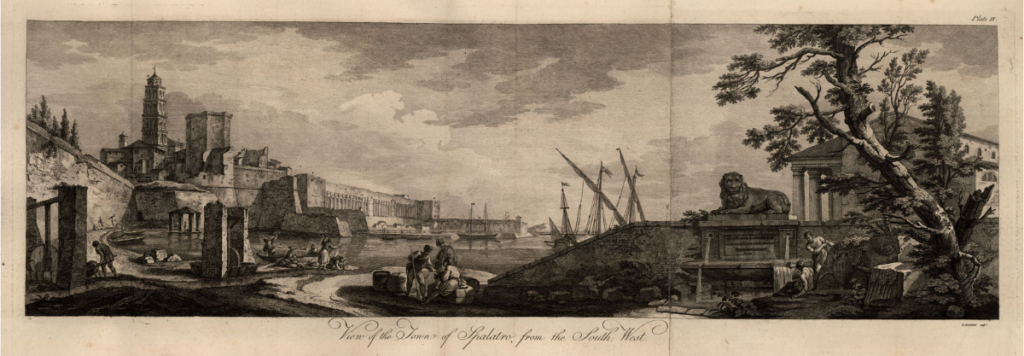
Portico of Diocletian’s Palace opening to the sea, a print by Francesco Bartolozzi to the book of Robert Adam “Ruins of the palace of the Emperor Diocletian at Spalatro in Dalmatia”.
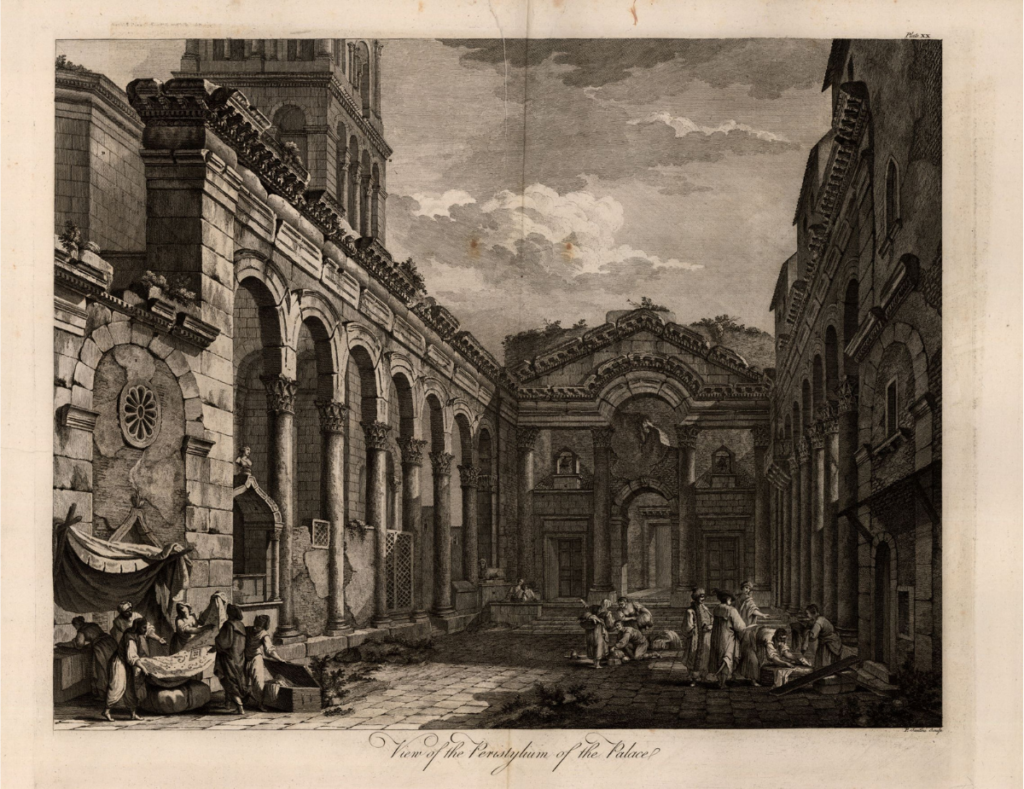
Peristyle, the most beautiful of the rooms of the former Diocletian’s Palace in Split, engraving from the book of Robert Adam“Ruins of the palace of the Emperor Diocletian at Spalatro in Dalmatia”.
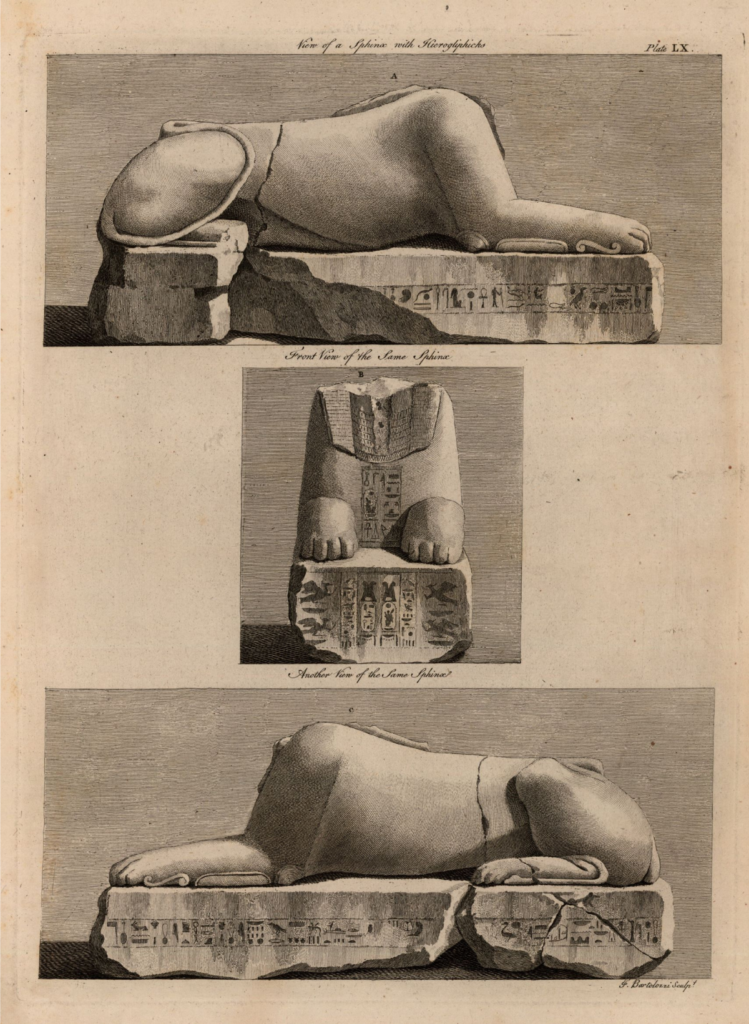
Emperor Diocletian collected sphinxes sent to him from Egypt. In Christian times, most of the Split sphinxes were beheaded because they were treated as symbols of paganism. A print from the book of Robert Adam “Ruins of the palace of the Emperor Diocletian at Spalatro in Dalmatia”.
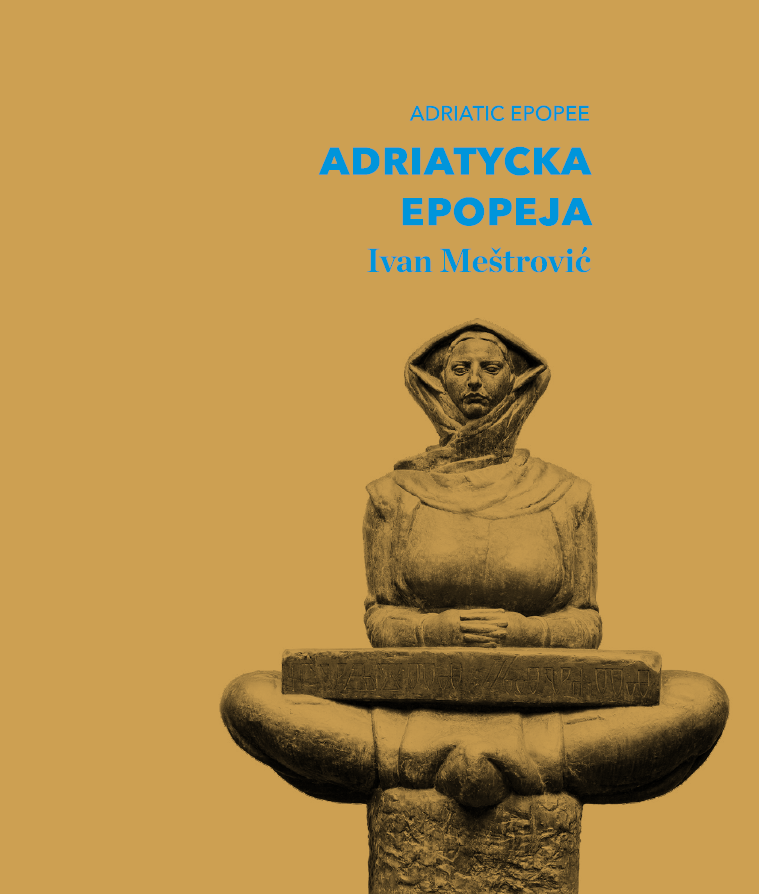
The work of Ivan Meštrović was devoted to the exhibition Adriatic epopeję, presented at the ICC Gallery in 2017.
Publications