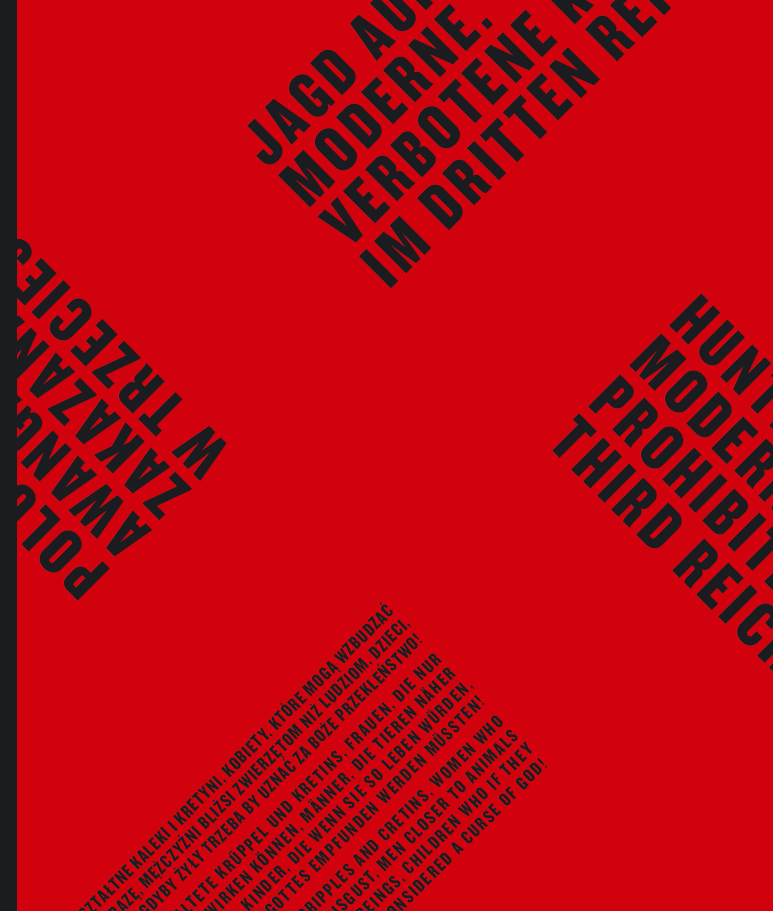
Art is relative; it reflects the spirit of the age, creates opportunities for debate, is popular or provocative, conforms or resists. Irrespective of the reception of its innumerable forms and possibilities, art has always had its opponents, who would question new trends and attempt to enforce thought in line with an ideology.
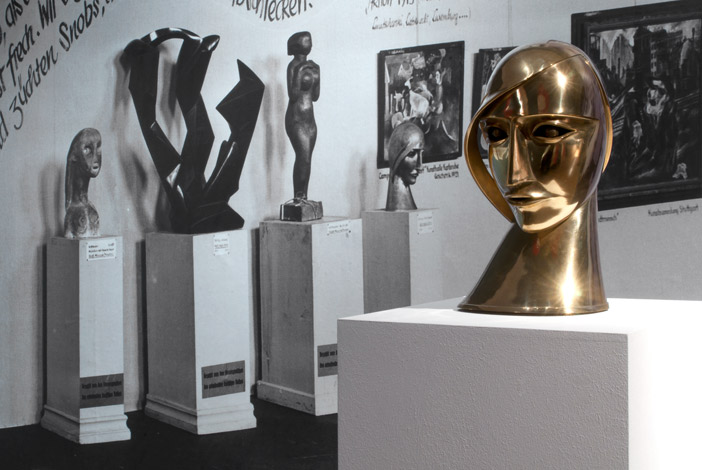
It has always been totalitarian systems that have felt most threatened by freedom of spirit and sought ways to stifle it. Public denunciations of artists and bans on their works are standard measures in the repertoire of such states. Campaigns vilifying artists and their works reached their apogee in the years 1933–1945, when National Socialist cultural policy enabled state instrumentalisation of all areas of art.
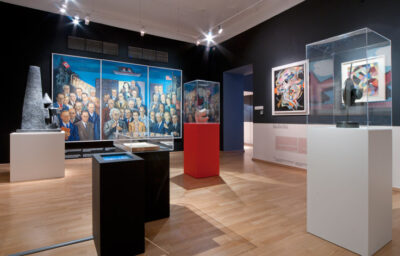
Among those who suffered in this way were artists both well known and unjustly forgotten today, representatives of all disciplines of art, who because of the modern means of expression they adopted, their aesthetic choices or their political views came into conflict with the aesthetic and ideological ideal of the “German” artist. This was sufficient reason for the National Socialist state to implement repressions against them. State-sanctioned persecution was made possible by new laws, and by the creation of a Third Reich Chamber of Culture, whose various departments engineered the subordination of art to the exclusive service of the state and its reputation.
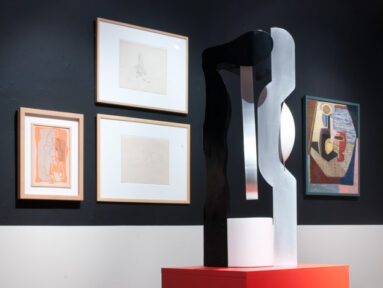
Recently there have been numerous exhibitions of forbidden art, presenting the work of artists such as Max Beckmann, Karl Schmidt-Rottluff and Otto Dix. Few curators have taken the step of treating the visual arts, literature and music on a par, however, and fewer still have presented work by artists now forgotten.
Curatos of the exhibition: Judith Schönwiesner, dr Monika Rydiger
Exhibition’s design: Malwina Antoniszczak, Monika Bielak
Organisers


Project realised within The North Rhine-Westphalia Cultural Season in Poland 2011-2012

This project has recived the financial support of

This project has recived the support of


ICC permanent media patrons


Patrons and partners


Sponsors and Partners of the exhibition’s accompanying events


Publications