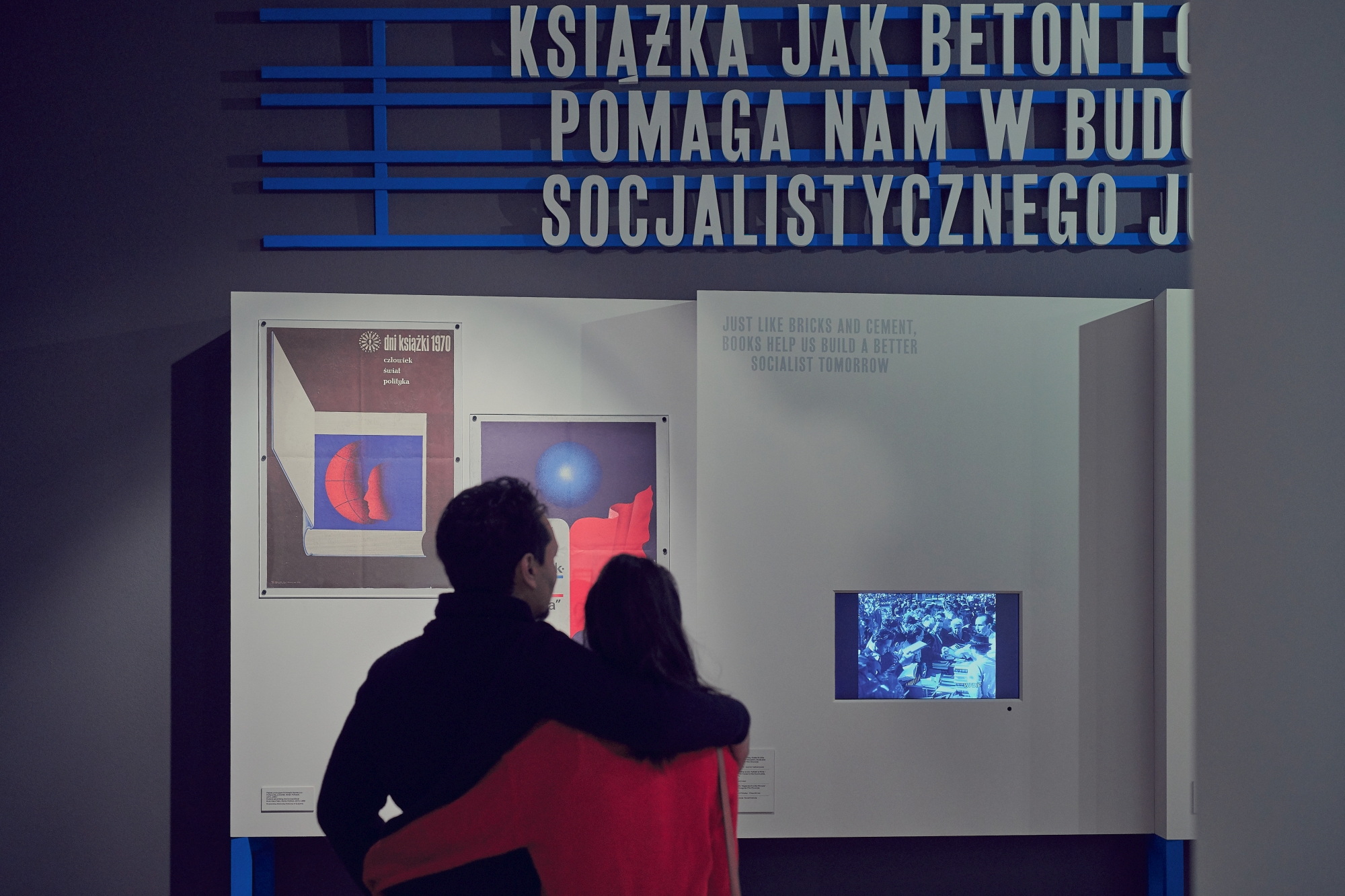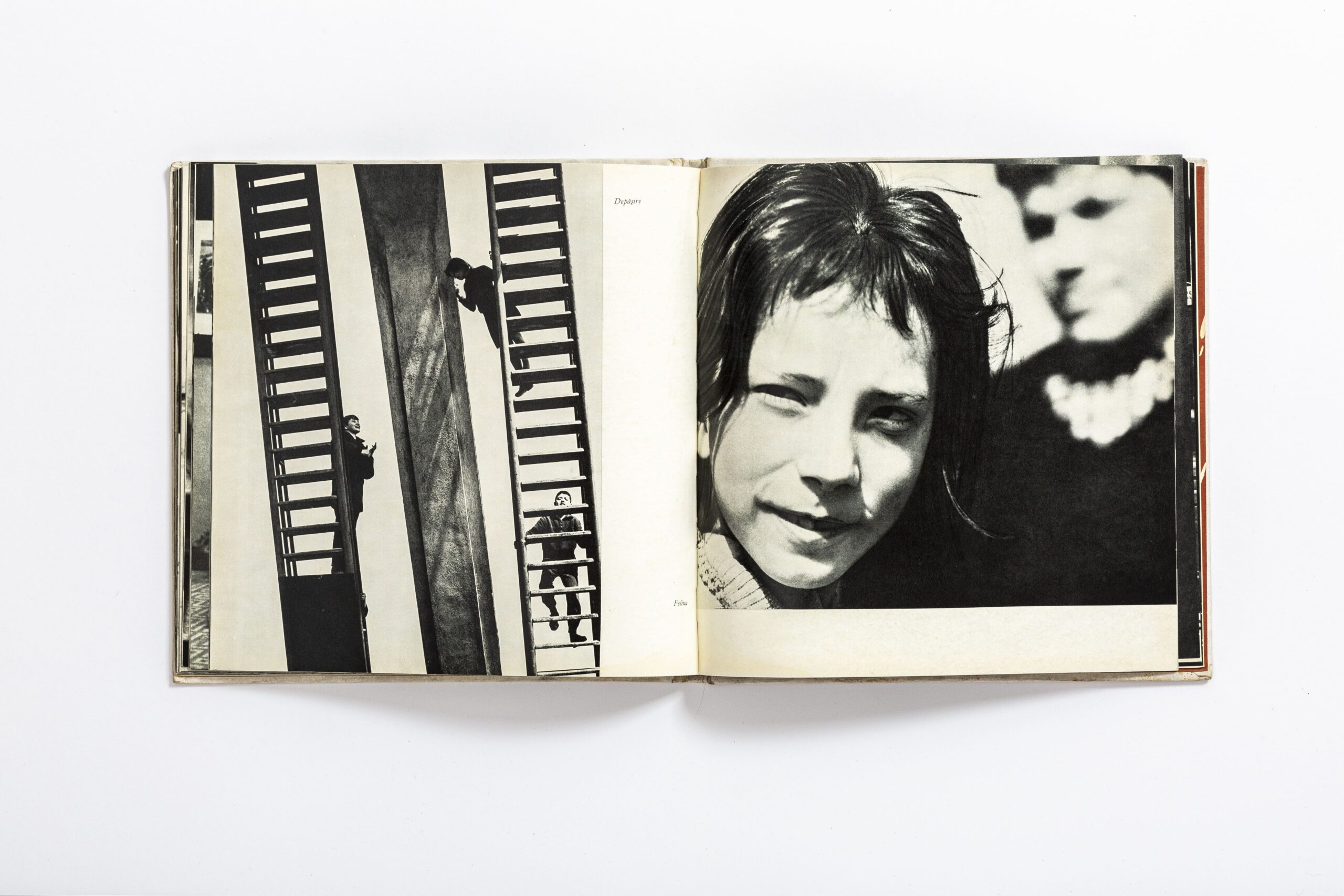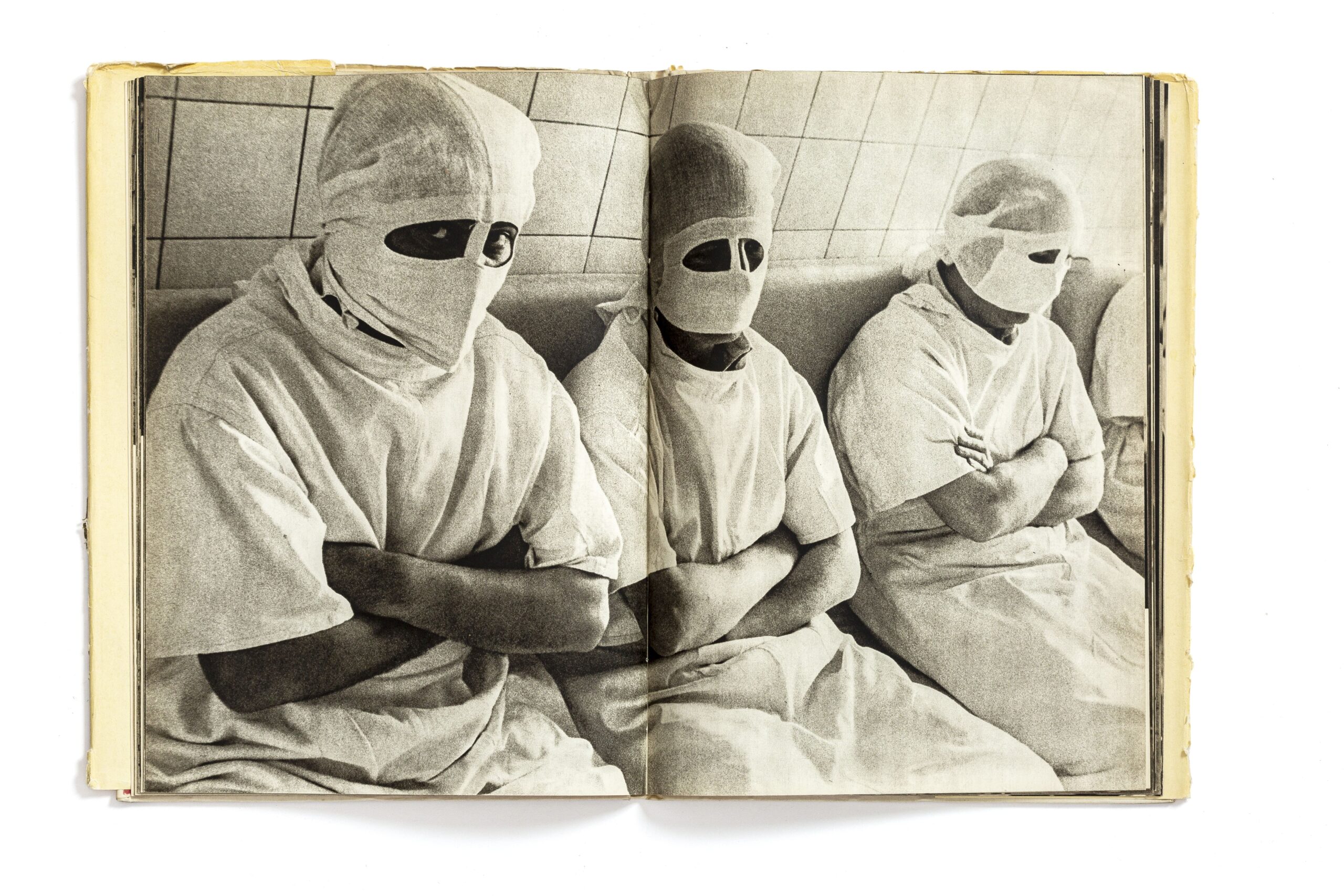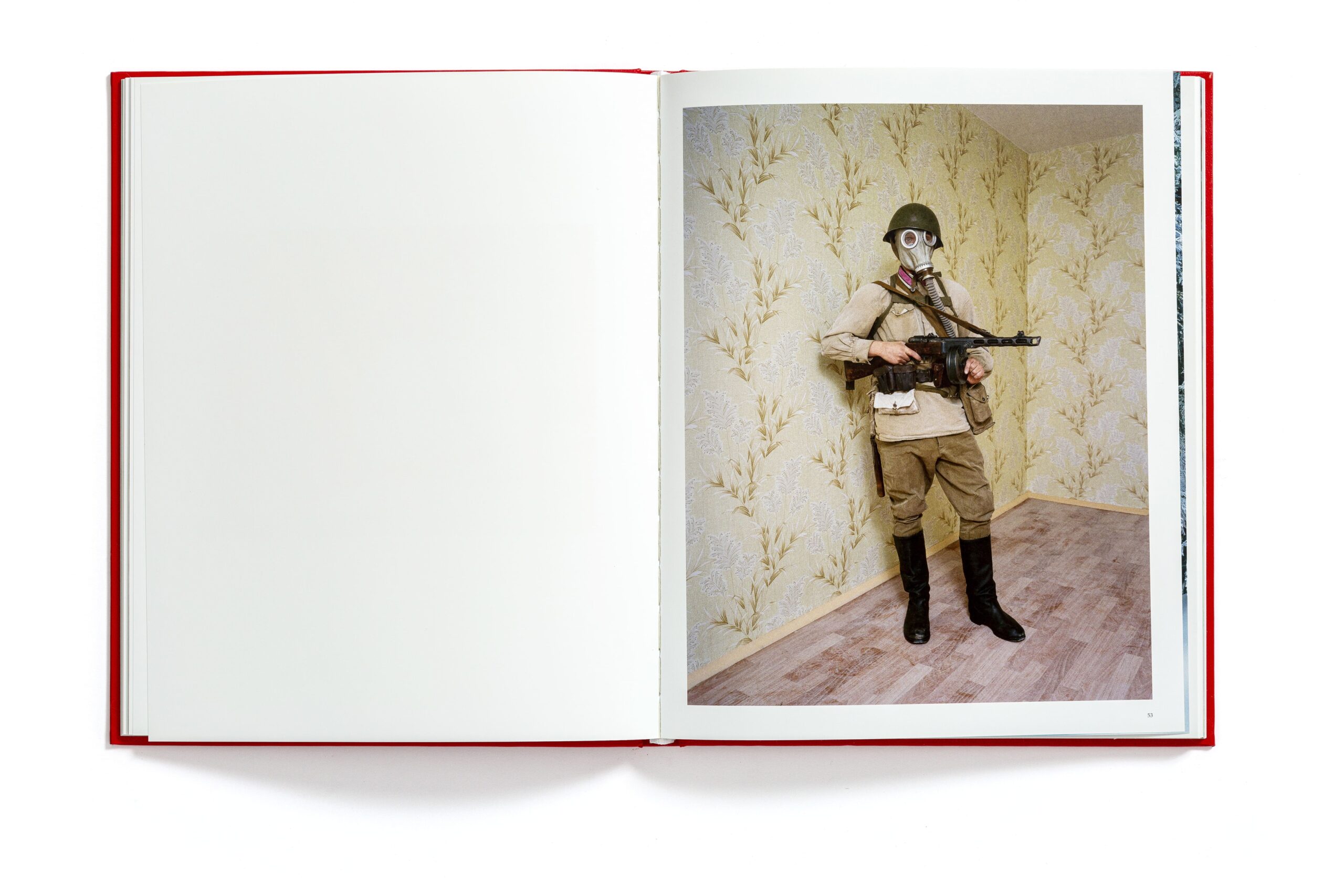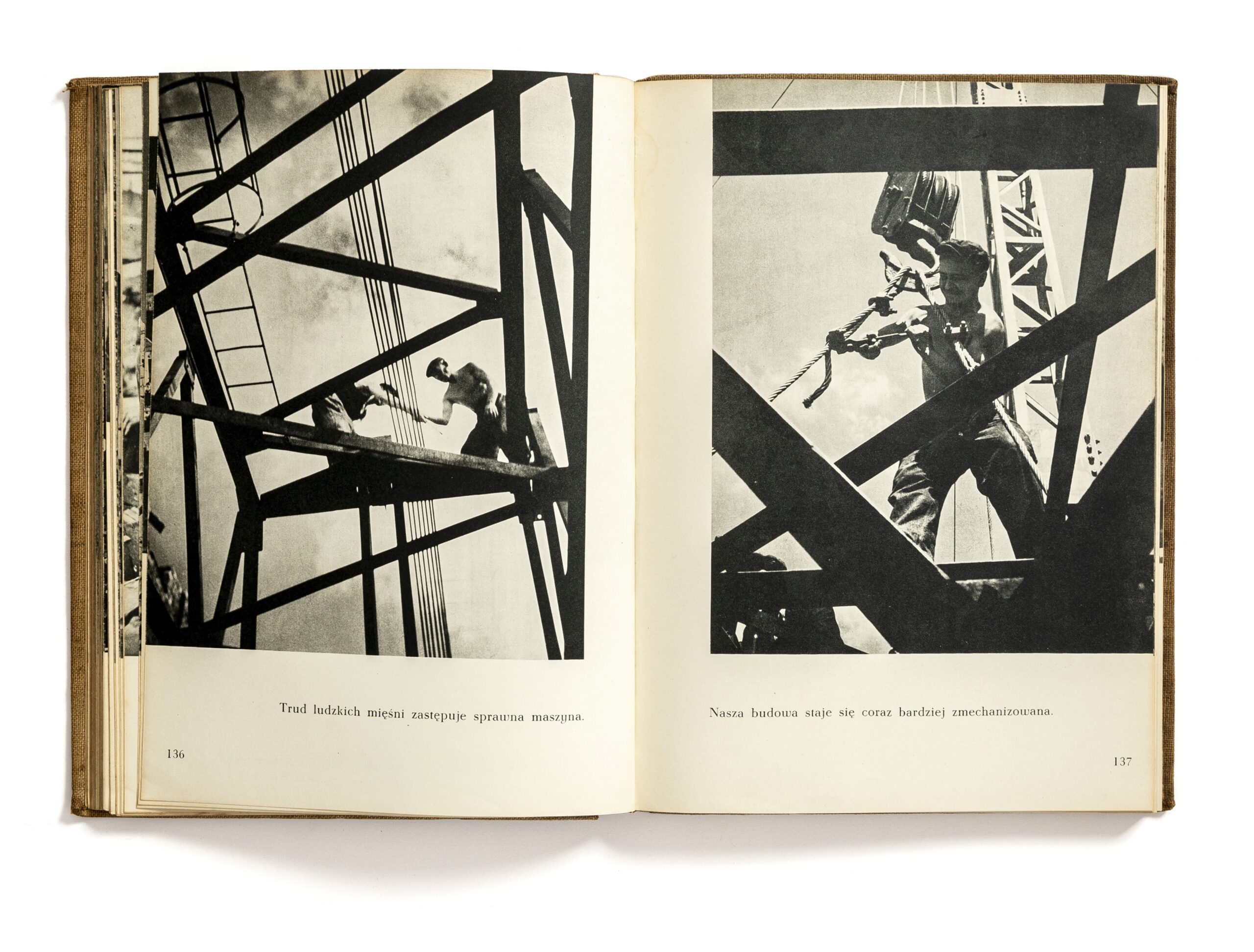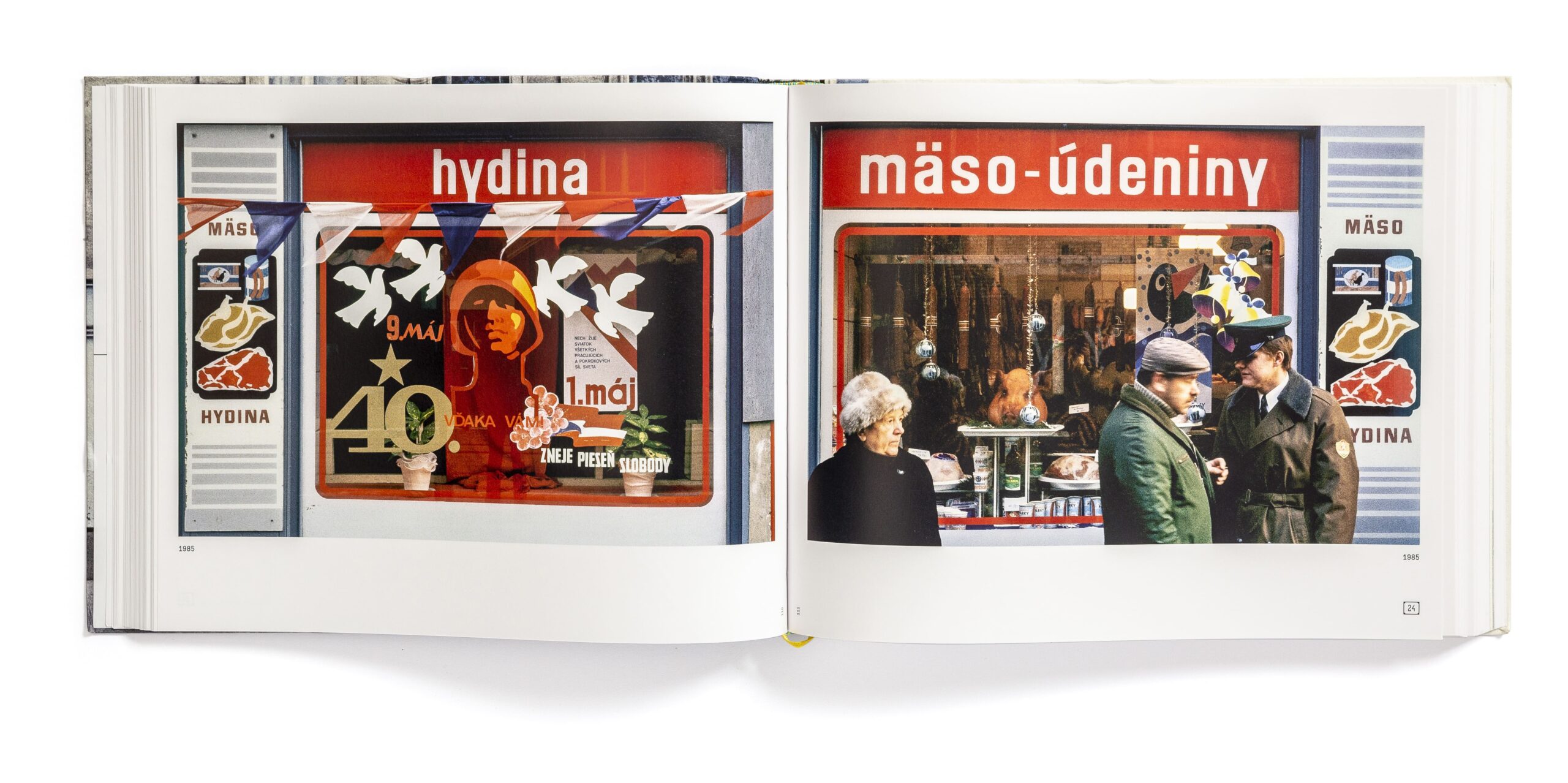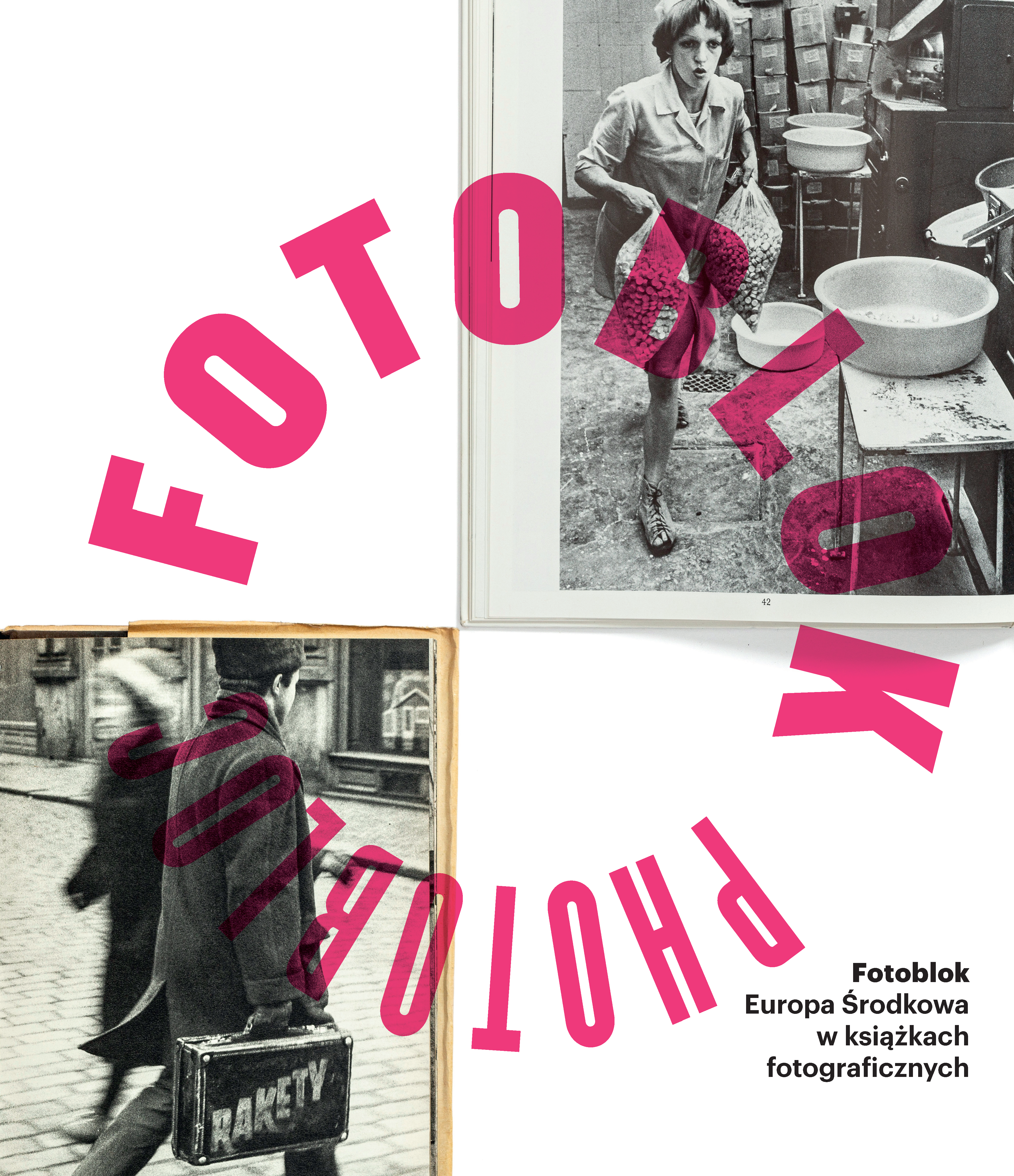
The exhibition presented a wide-ranging and critical view of the tumultuous history of Central Europe through photobooks. Over one hundred publications, artistic yet in some instances propagandistic, too, were presented from the Czech Republic, Estonia, Lithuania, Latvia, Poland, Romania, Slovakia, and Hungary. The curated selection showed how photography reflected the process of the forging of new identities of emerging or re-emerging Central European countries, and influenced their image, ideology, dreams of modernization and the future. The broad, transnational perspective made it possible to see the common fate of people of this part of the continent.
Photobooks constitute a genre that has not, as yet, been fully explored by lovers of photography, graphic design, history, politics, or art. Throughout the twentieth century, coffee-table books, booklets, and photobooks have chronicled humanity’s turbulent past, showing the particularities of the history of different countries and parts of the world. As part of the exhibition Photobloc: Central Europe in Photobooks, we decided to show selected publications related to our region of Europe.
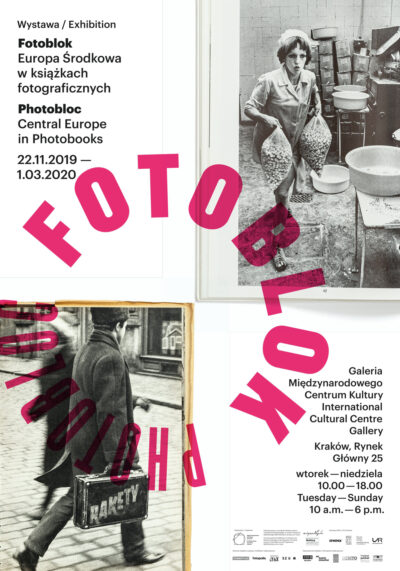
The exhibition showcased not only popular and readily collected photobooks, but also newsreels, photographs, prints, and art objects. Visitors could not only view the assembled books, but also leaf through and read them. It was a rare opportunity to come into direct contact with a photobook – an object that, in the digital age, is increasingly valued, but also less and less known and accessible.
The exhibition was accompanied by a book in which we attempted to create a canon of Central European photobooks and a synthesis of knowledge on the subject. The project was part of our series of exhibitions devoted to photography, which included such shows as Made in Hungary: Hungarian Photographers, 1919–1956 (2000), Andreas Feininger: New York in the Forties (2010), Istanbul: Two Worlds, One City (2018), More than Bauhaus: German Photography between the Wars and Polish Parallels (2021), Homing: Włodzimierz Puchalski (2022), and Lithuania: Two Centuries of Photography (2023).




Exhibition organiser:
Międzynarodowe Centrum Kultury
Concept:
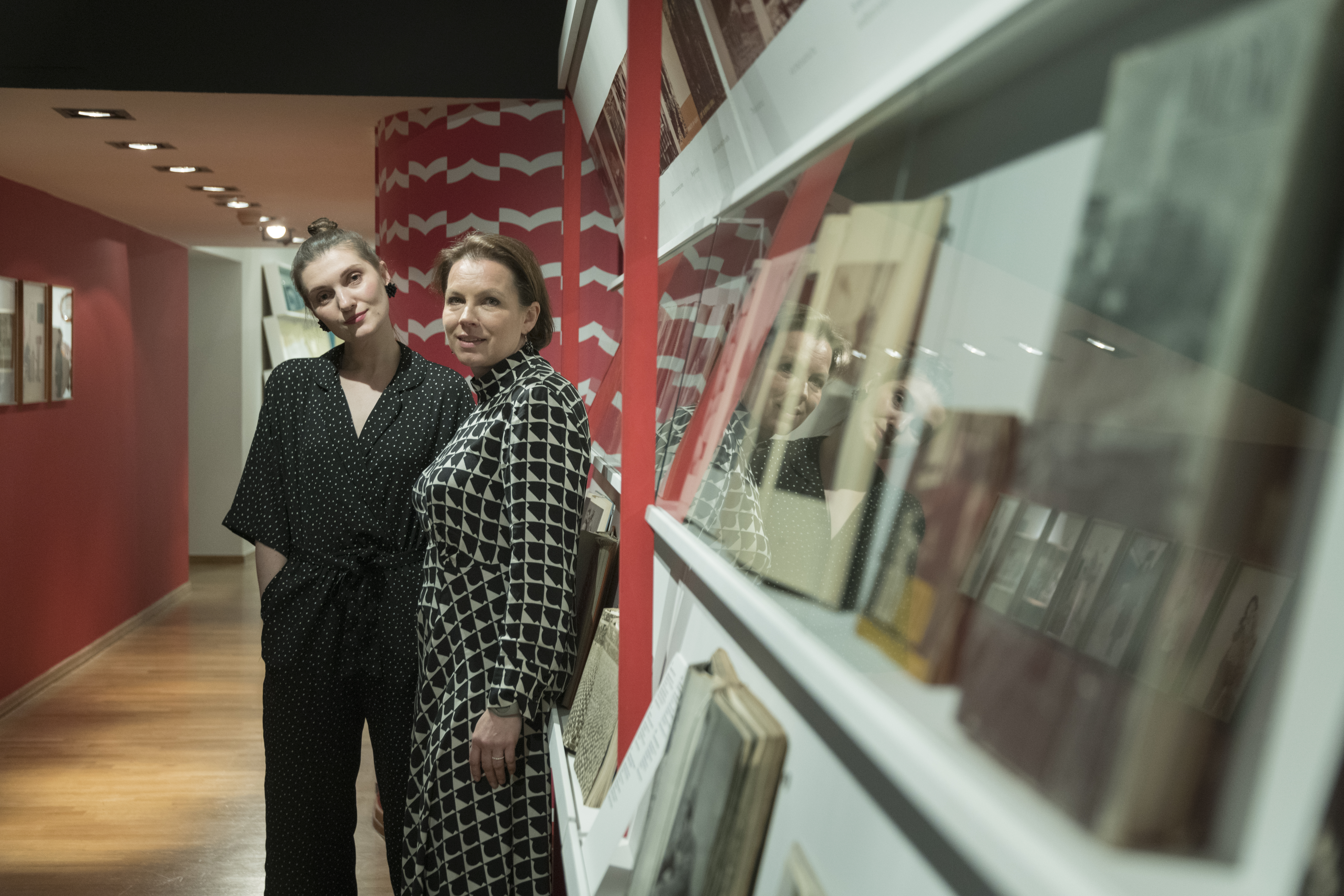
Łukasz Gorczyca, Adam Mazur
Curators:
Łukasz Gorczyca, Adam Mazur, Natalia Żak
Research team:
Arnis Balčus, Vladimír Birgus, Adriana Dumitran, Eve Kiiler, Bohunka Koklesová, Claudia Küssel, Agnë Narušytė, Tomáš Pospěch, Peter Puklus, Wojciech Wilczyk
Exhibition design:
Damian Nowak
Exhibition coordinator:
Karolina Wójcik
Cooperation:
Dorota Kosiec, Anna Śliwa
Catalogue and printed materials design:
Kuba Sowiński
Organiser:
Międzynarodowe Centrum Kultury
Partners:
Restauracje SPHINX
Slovenská Národná Galeria (Bratysława)
Biblioteca Naţională a României (Bukareszt)
Media patrons:
„Dziennik Polski”
„SZUM”
„Lynx Magazine”
Fotopolis.pl
Long-term media patrons:
TVP 3 Kraków
Radio Kraków Małopolska
„Karnet”
„In Your Pocket”
„Herito”
AHICE
With financial support from:
Ministry of Culture and National Heritage
Public and private lenders to the exhibition:
- Archiv B&M Chochola, Biblioteka Narodowa w Warszawie, Biblioteca Naţională a României (Bucharest), Biblioteka Jagiellońska (Kraków), Filmoteka Narodowa – Instytut Audiowizualny (Warsaw), Galeria Piekary (Poznań), Instytut Sztuki PAN w Warszawie, Latvijas Nacionâlâ bibliotçka (Riga), Ludvig Museum (Budapest), Magyar Fotográfiai Múzeum (Kecskemét), MCK (Kraków), MOCAK (Kraków), Muzeum Narodowe we Wrocławiu, Slovenská národná galeria (Bratislava), Univerzitná knižnica (Bratislava), Uniunea Arhitecților din România (Bucharest), Wojewódzka Biblioteka Publiczna w Krakowie, Vědecká knihovna (Olomouc), Zbyněk Baladrán / hunt kastner (Prague)
- Arnis Balčus, Vladimír Birgus, Adriana Dumitran, Sabra Daici, Aneta Grzeszykowska, Łukasz Gorczyca, Danuta Hartwig-Saulewicz, Joanna Helander, Eve Kiiler, Claudia Küssel, Zbigniew Libera, Adam Mazur, Rafał Milach, Vlad Nancǎ, Jüri Okas, Peter Puklus, Valeriu Râpeanu, Ľubo Stacho, Sławomir Smolarek
 Print
Print