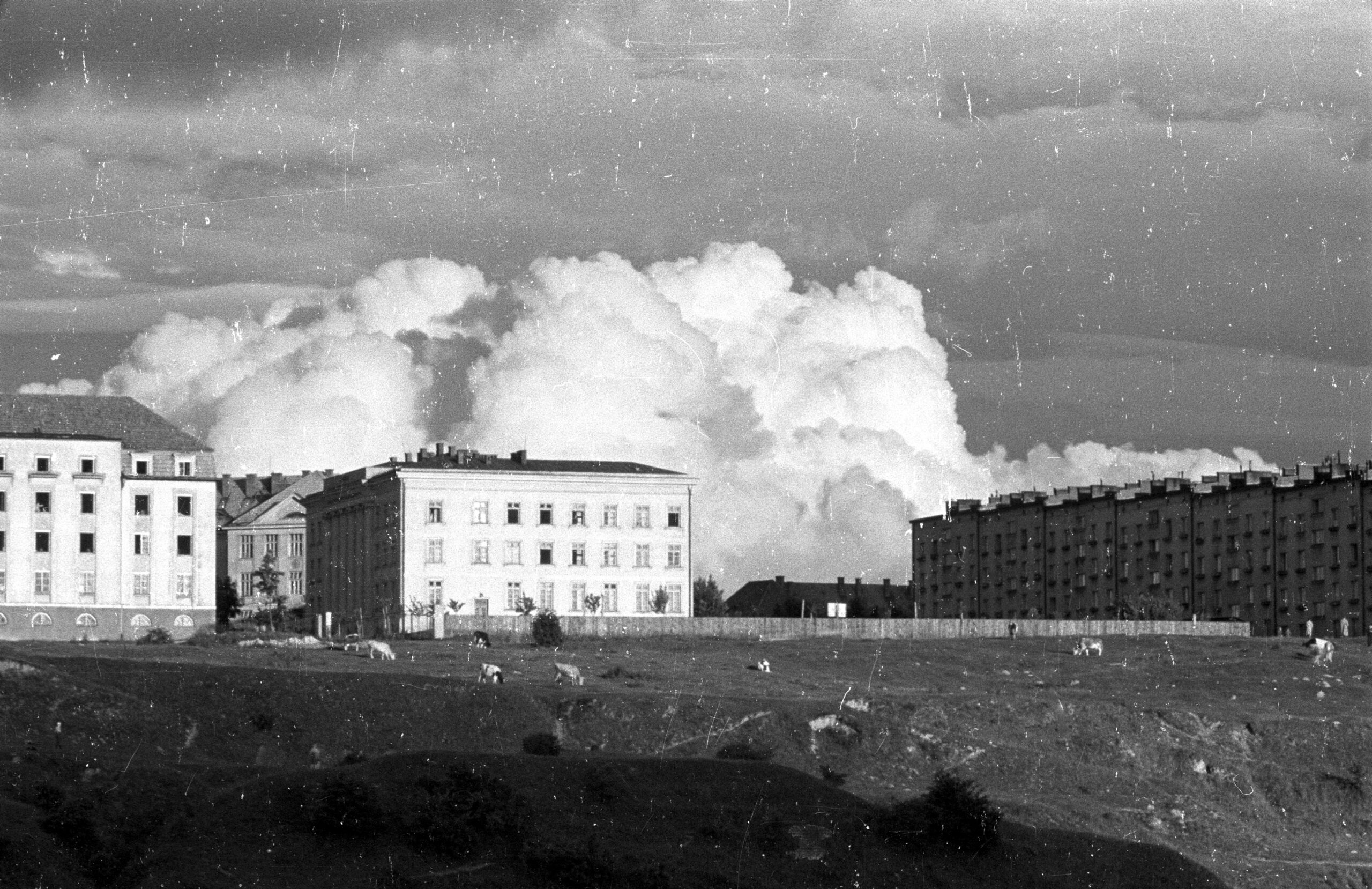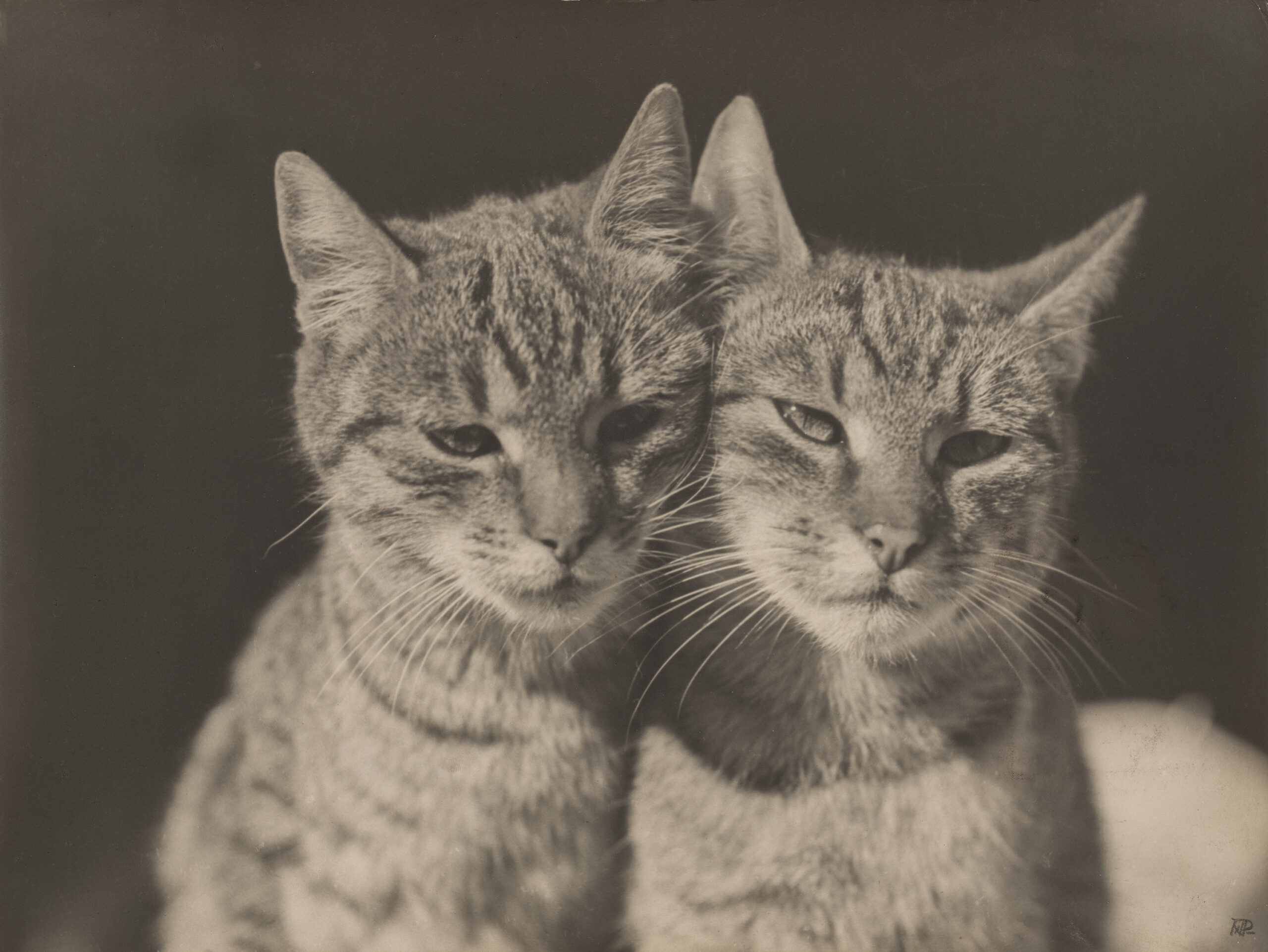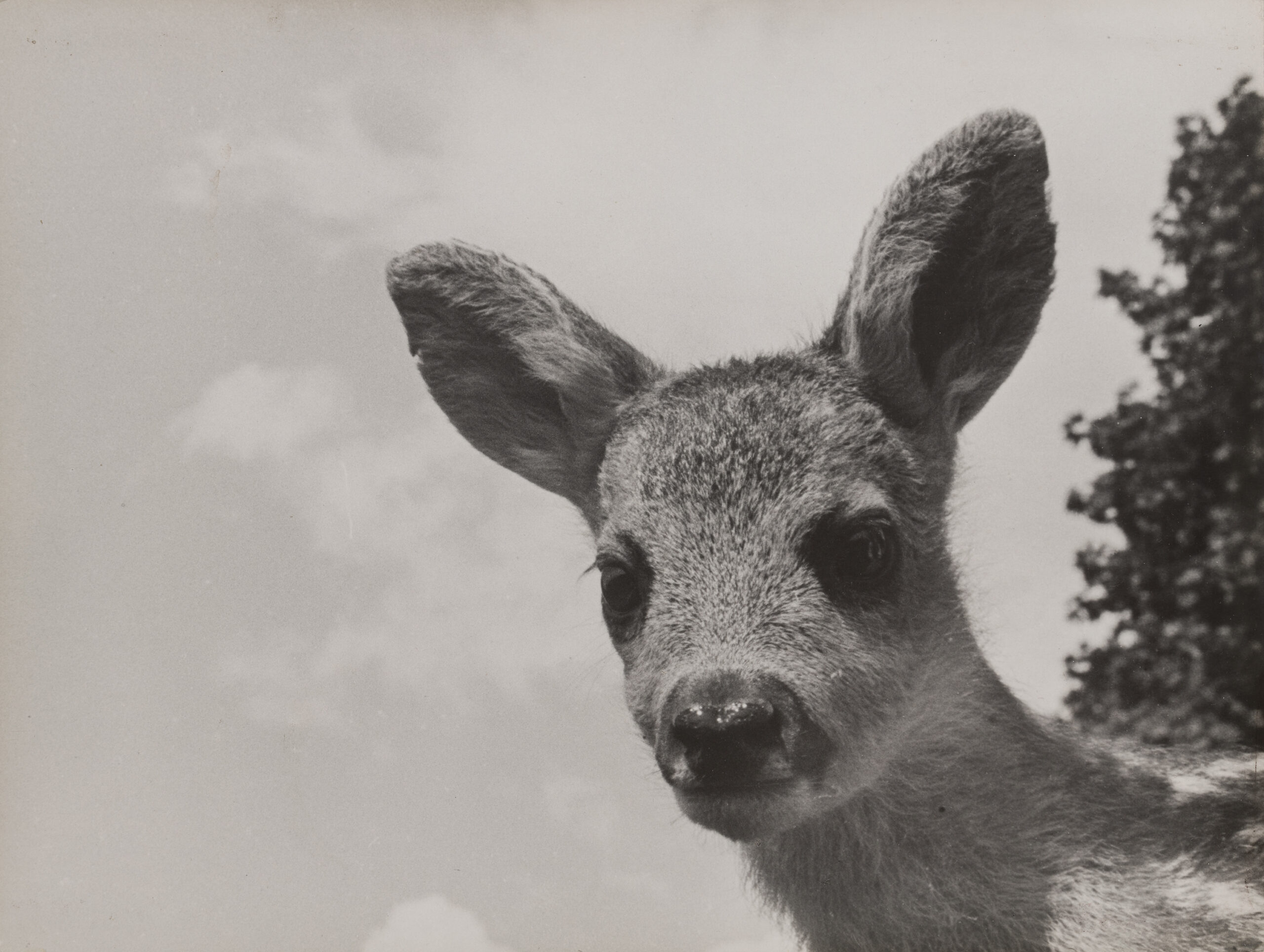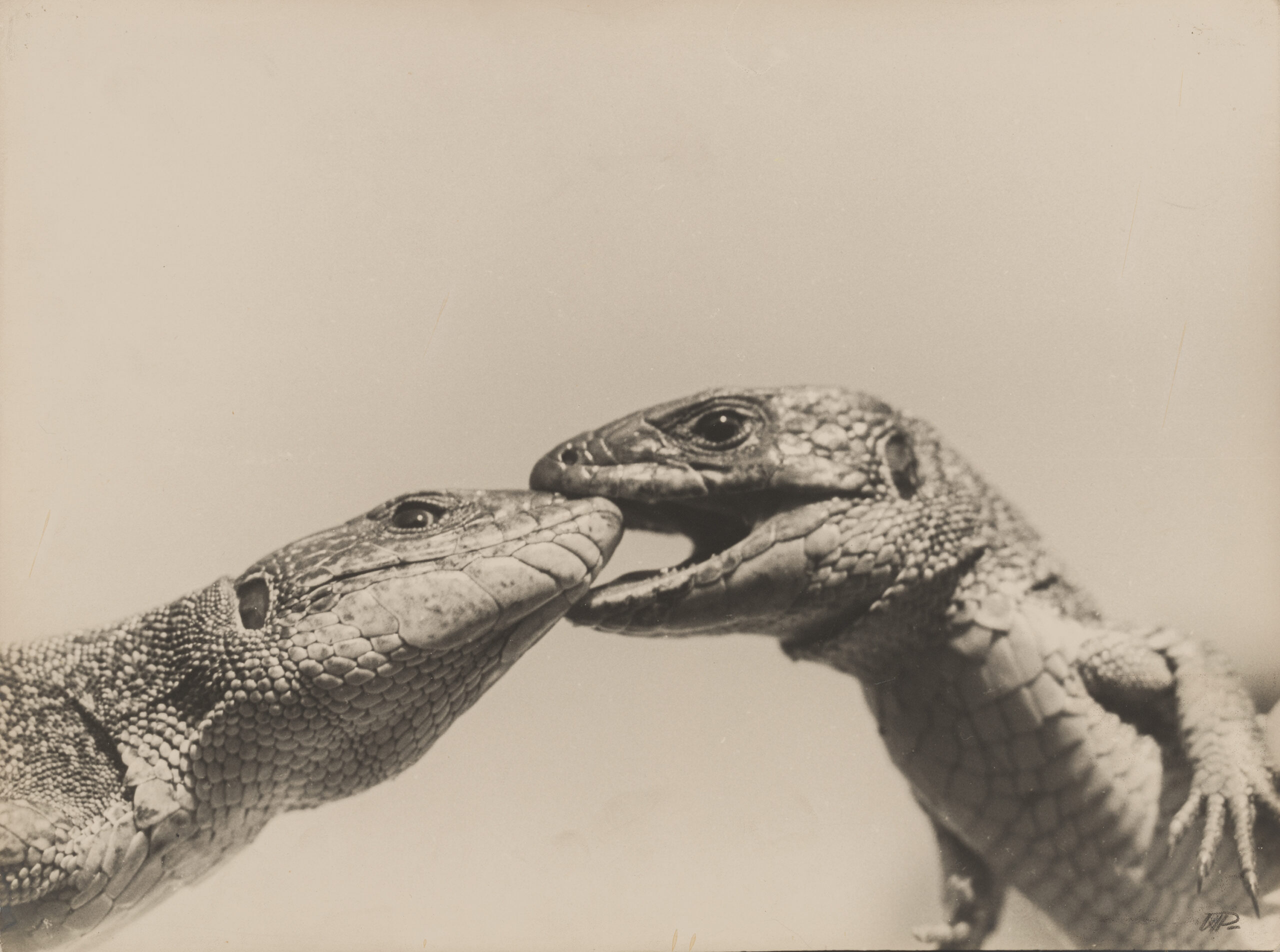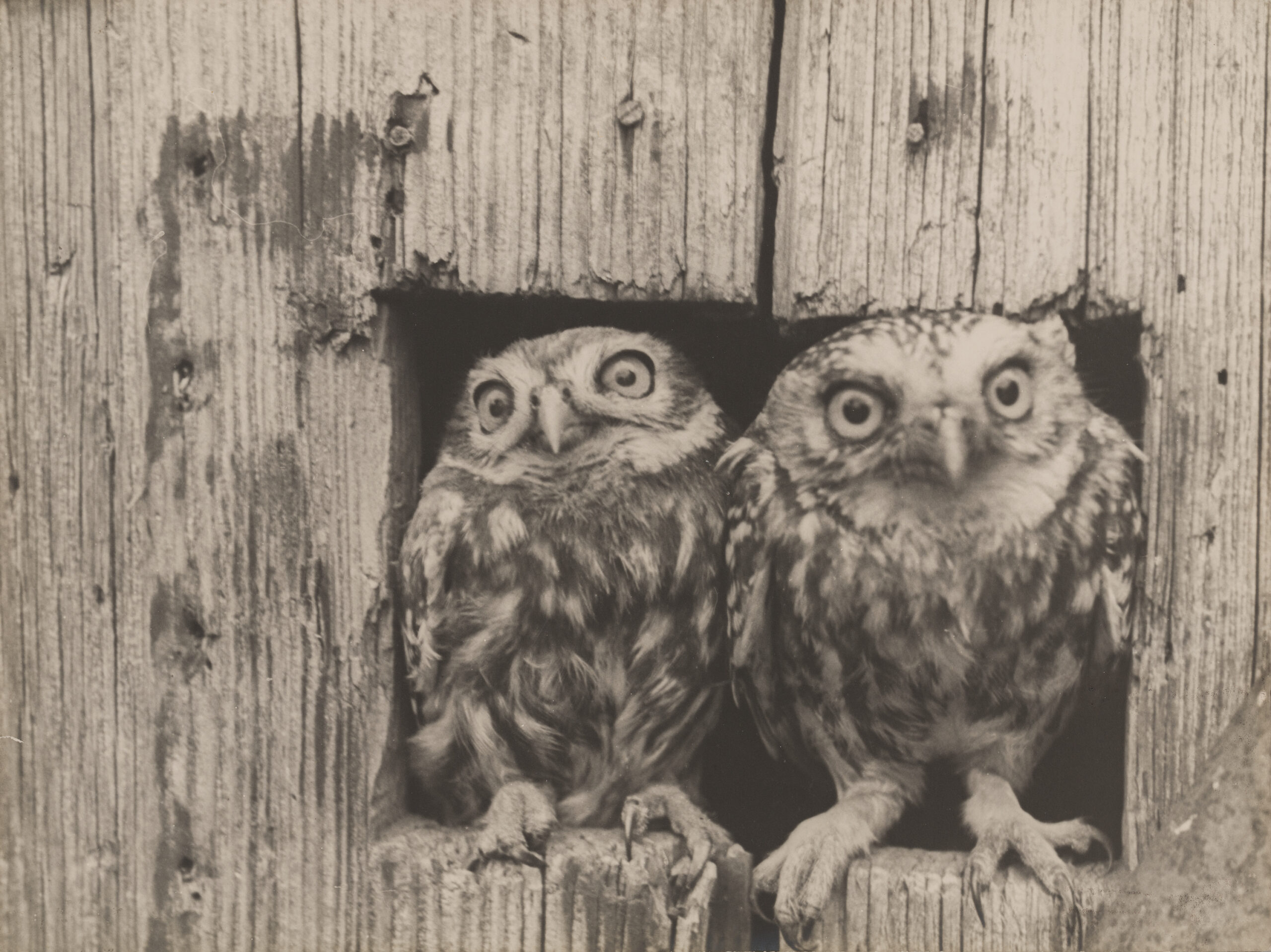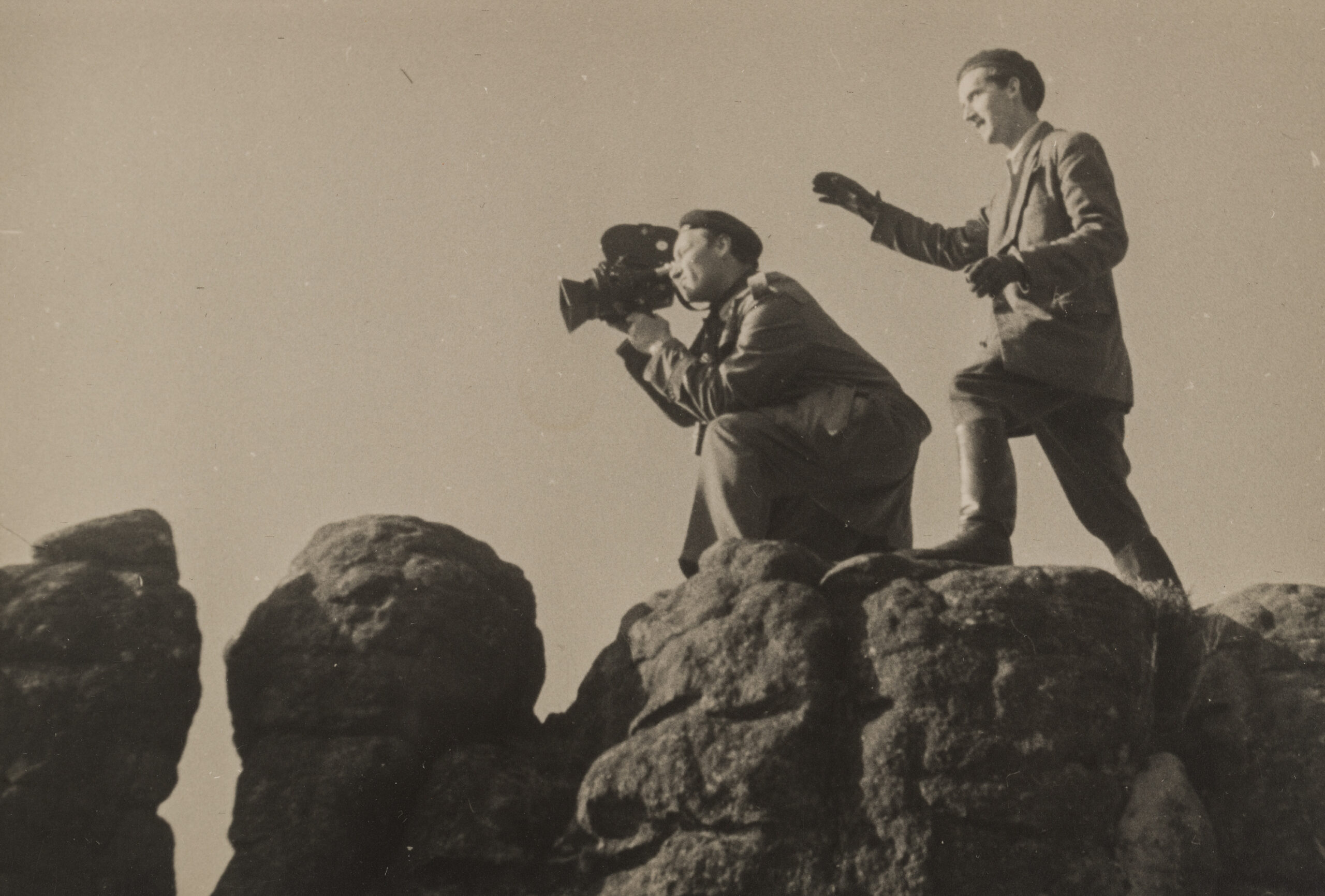
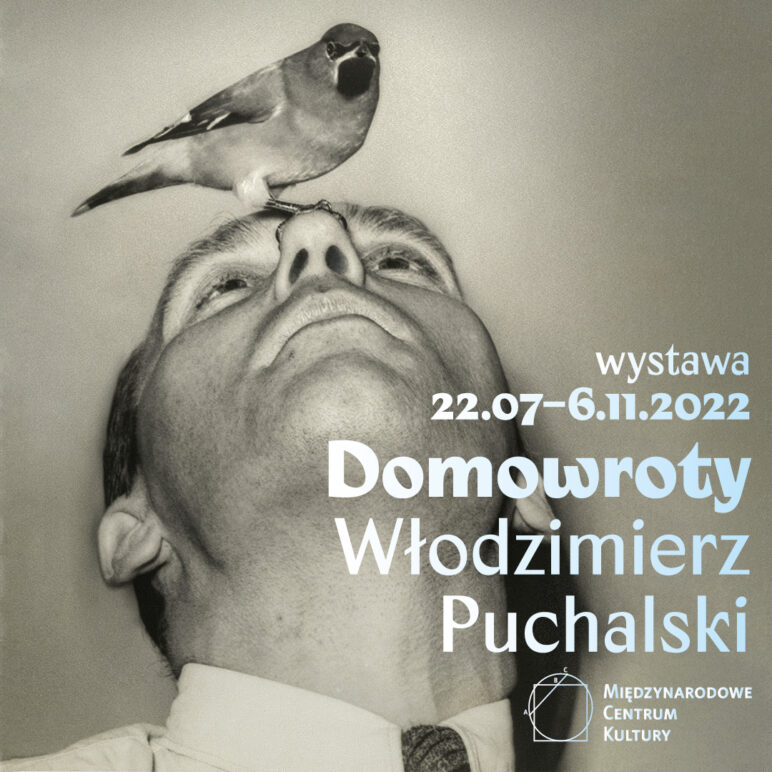
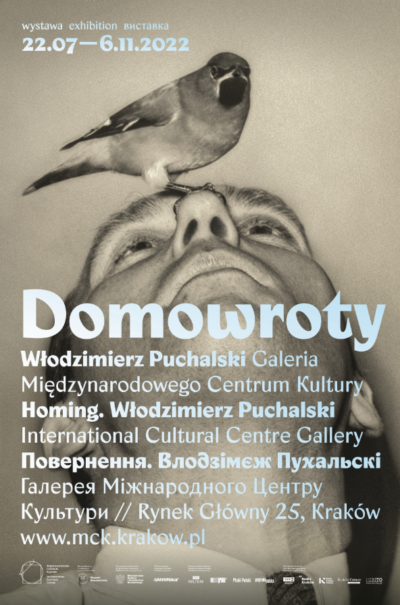
This exhibition brought together over 250 photographs by Włodzimierz Puchalski – one of the most famous Polish naturalists of all time. We showcased many of his masterly animal portraits, mainly chosen from the extensive collection of the artist’s work at the Niepołomice Museum, near Kraków. These were exhibited alongside a selection of his photographs of pre-war Lviv, enabling his legacy to be assessed anew. Indeed, the way Puchalski shaped the public imagination on how to commune with nature was unrivalled in 20th-century Poland, bearing parallels with Sir David Attenborough’s impact on the British.
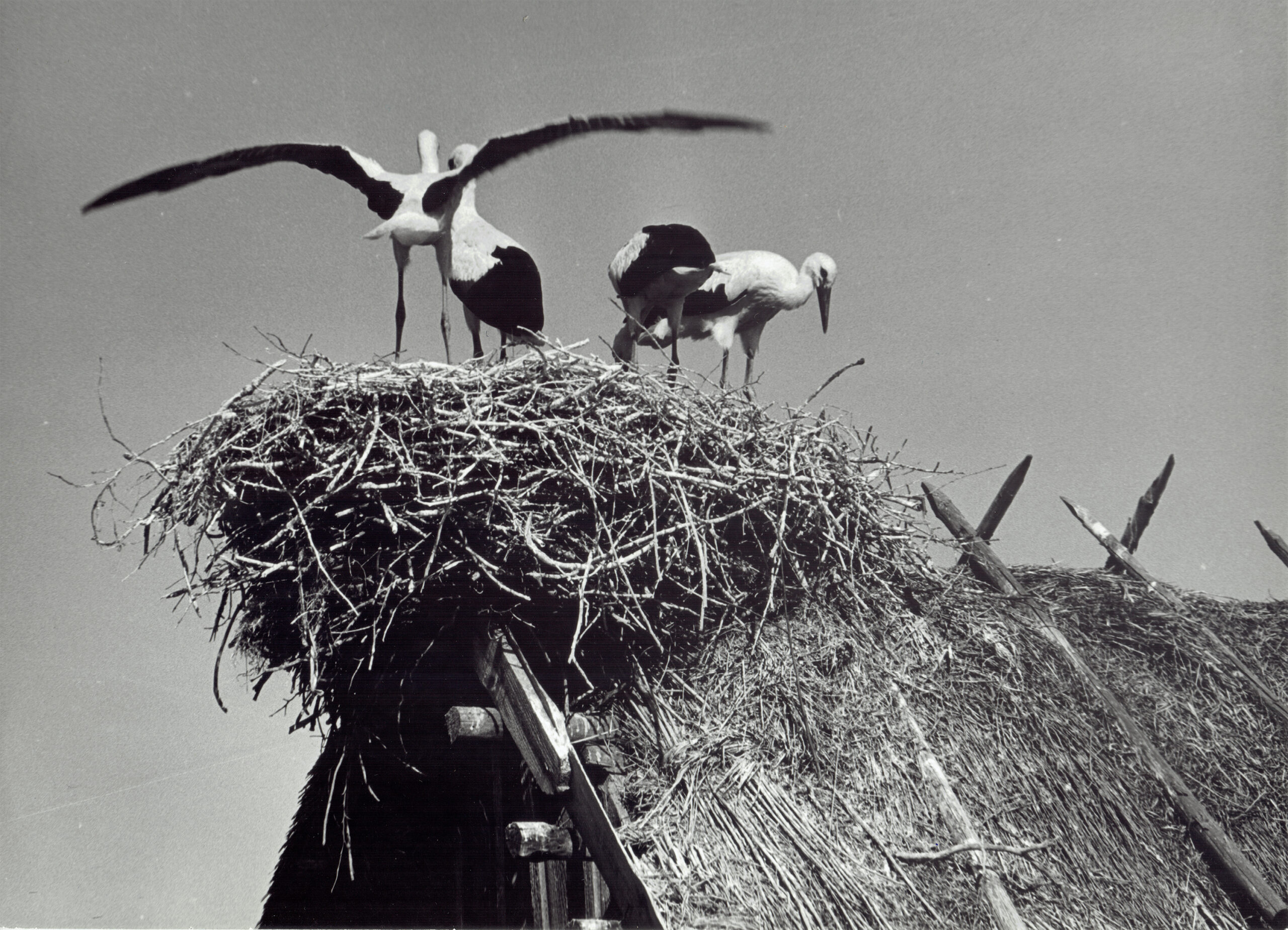
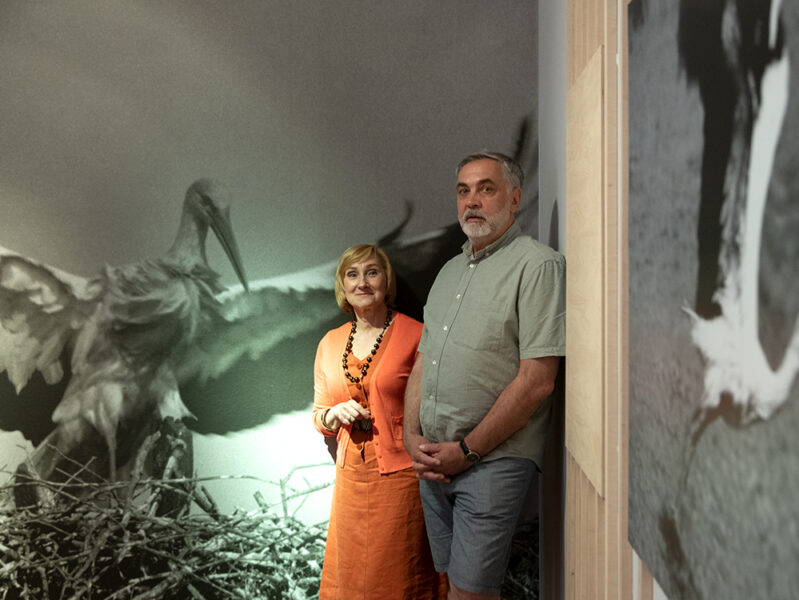
The title of the exhibition, Homing, is an academic term for animals’ remarkable ability to find their way home from far-flung locations (the Polish neologism ‘domowroty’ was adopted for the purposes of the project). This was highly pertinent for Puchalski – the show included photographs chronicling research he conducted in 1937 into the migration of storks, focused on the area around the village where he was born, Mosty Wielkie (today in Western Ukraine, Lviv Oblast). The birds’ migration carried a symbolic resonance at the exhibition, which opened just a few months after Russia’s full-scale invasion of Ukraine, which saw thousands of Ukrainian citizens flee their homes, often with their pets.
Puchalski’s technically brilliant photographs have enormous scientific and didactic value, while simultaneously being full-fledged works of art in their own right. His projects, spanning dozens of photobooks and other publications, a string of documentary films, as well as radio and television programmes, shaped ecological awareness during communist times. Today, a biodiversity crisis is unfolding, with a growing wave of extinctions of flora and fauna, and Puchalski’s oeuvre prompts us to reflect on the consequences of human intereference with the environment.
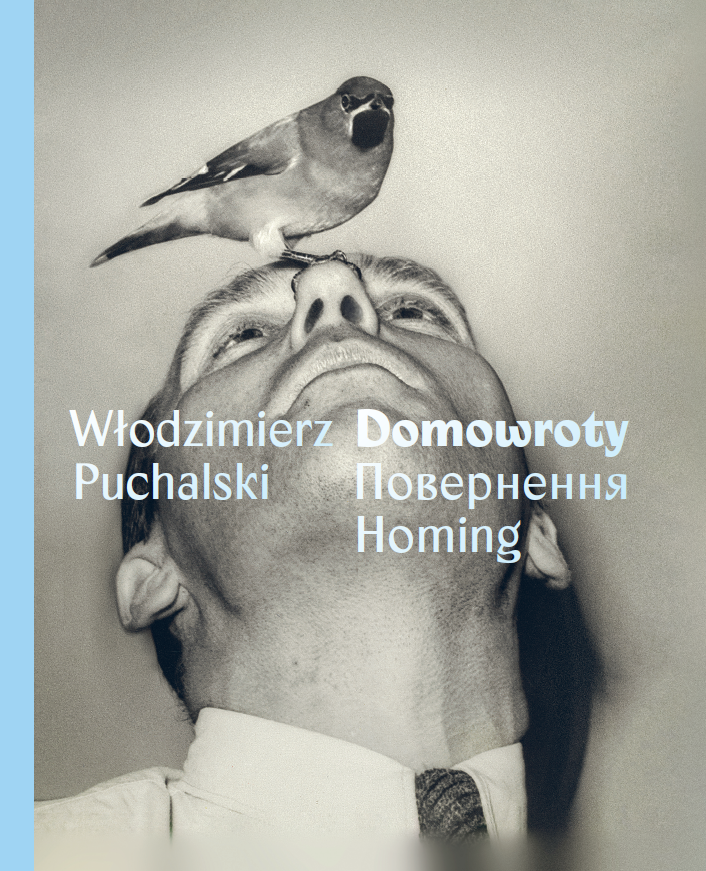
The exhibition Homing: Włodzimierz Puchalski was one of several ICC projects to explore the relationship between humans and the natural world. In 2020, we hosted the exhibition Plants and Animals: Atlases of Natural History in the Age of Linnaeus, which showed the grip on the imagination that this subject had before the invention of photography. Aspects of the natural world also featured prominently in works by the Surrealist Max Ernst, as presented in the ICC’s exhibition An Ornithologist’s Dreams (2016). The topic of wildness and relations between culture and nature were central to works by Michał Korta, shown in the exhibition The Untamed Has No Words (2024). Meanwhile, the urban landscape of Lviv, as known to Puchalski as a young man, was presented in the exhibition Lviv, 24 June 1937: City, Architecture, Modernism (2018). The book Homing: Włodzimierz Puchalski accompanied the exhibition, and it was published in a trilingual edition (Polish, English and Ukrainian).



ICC programme policy
Agata Wąsowska-Pawlik, Łukasz Galusek
Curator
Andrij Bojarov
Curatorial cooperation
Monika Rydiger (MCK), Aneta Słowikowska (Muzeum Niepołomickie)
Exhibition design
Anna Wisz
Exhibition coordinator
Karolina Wójcik
Cooperation on the educational programme
Centrum Edukacji Przyrodniczej „Symbioza”
Cooperation
Joanna Biegacz, Ewa Czarnecka, Marzena Daszewska, Magdalena Grabias, Joanna Hojda-Pepaś, Oliwia Kaczmarzewska, Dorota Korohoda, Dorota Kosiec, Paulina Małochleb, Weronika Mucha, Paulina Orłowska-Bańdo, Łukasz Pieróg, Angelika Radoń, Paulina Roszak-Niemirska, Agnieszka Sachar, Anna Sawłowicz, Klaudia Słupek, Anna Śliwa
Organiser
Międzynarodowe Centrum Kultury w Krakowie
Cooperation
Muzeum Niepołomickie
With financial support from
Ministerstwo Kultury i Dziedzictwa Narodowego
Partner of the exhibition
GreenPeace
Media patrons of the exhibition
Ptaki Polski
TVP Kultura
Przyroda Polska
Co jest grane
Long-term media patrons
TVP3 Kraków
Radio Kraków
Radio Kraków Kultura
Kraków Culture Karnet
HERITO
Works included in the exhibition came from the following collections:
Muzeum Niepołomickie, Muzeum Tatrzańskie im. dr. Tytusa Chałubińskiego w Zakopanem, Tatrzański Park Narodowy, National Museum in Wrocław and private collections.
 Print
Print