The end of World War I brought freedom to many nations of Central Europe, while for others it meant profound changes in their political and economic life. In the following decades war destruction, shifting borders and confrontation with the new post-war political reality made a profound impact on the development of culture and the shape of architecture in this part of Europe.
It was a short but very dynamic period. A mosaic of new countries emerged on the map of Central Europe. A dream that formed after the tragedy of the First World War was to regain stability, to introduce order into the world torn apart, to find a new system for nations that finally gained their desired subjectivity – says Łukasz Galusek, the deputy director for programme policy at the ICC and one of the curators of the exhibition. Now, one hundred years later, we can look back at the moment when this new order was formed; for many, this was a time to celebrate, for others this date still provokes reflections. We look at our part of the continent in a broad horizon, trying to embrace a wide spectrum of changes happening at the time, which were reflected in space, urban planning, and architecture.
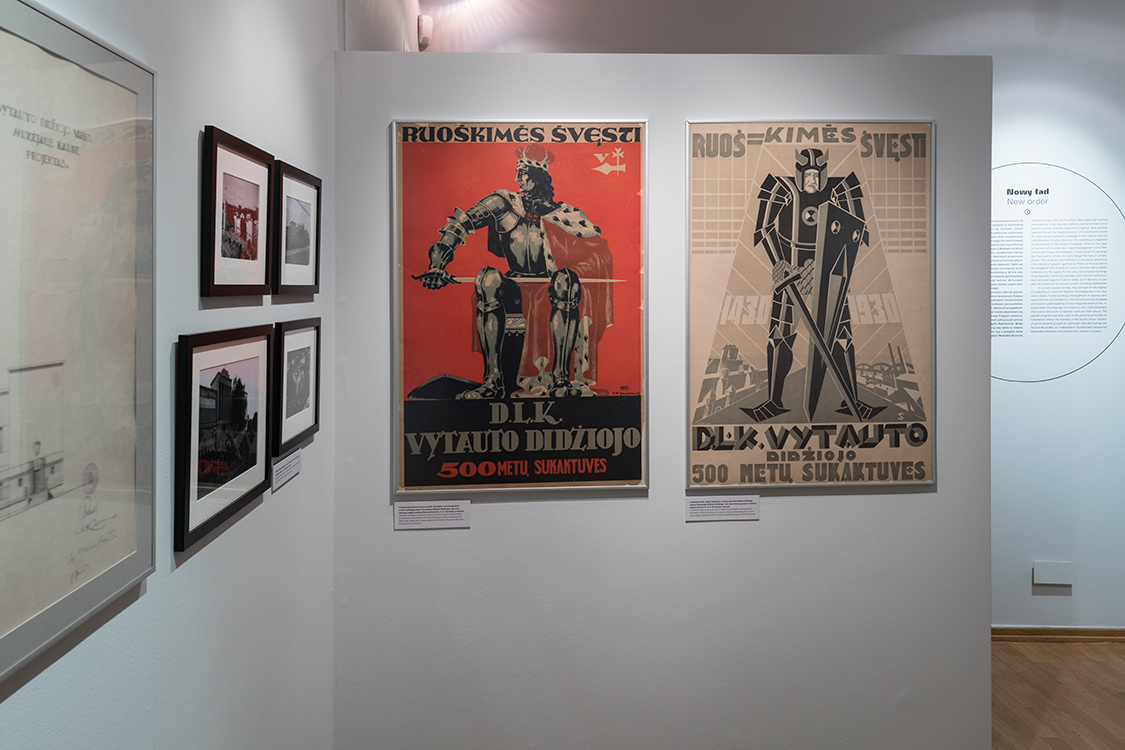
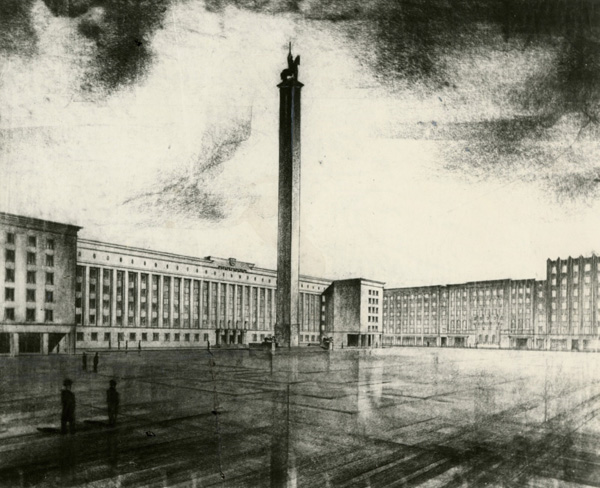
Political changes cast former lively metropolises into oblivion, while provincial towns became capitals of new states or regions. The state’s authority was expressed by the monumental forms of architecture that housed its institutions – newly built or redesigned – as well as of churches and public spaces that offered scenography for the theatre of power. It was also a moment of particularly powerful presence of conflicts of memory and the problem of dissonant and unwanted heritage. Independence meant not only the creation of new national symbols, but also the destruction of marks of foreign domination and their oblivion from collective memory. Success was enjoyed by modernism, which was developed to serve the poorest groups of society (e.g. new housing estates in Vienna, Bratislava, and Warsaw), but in time gained a new, luxurious form.
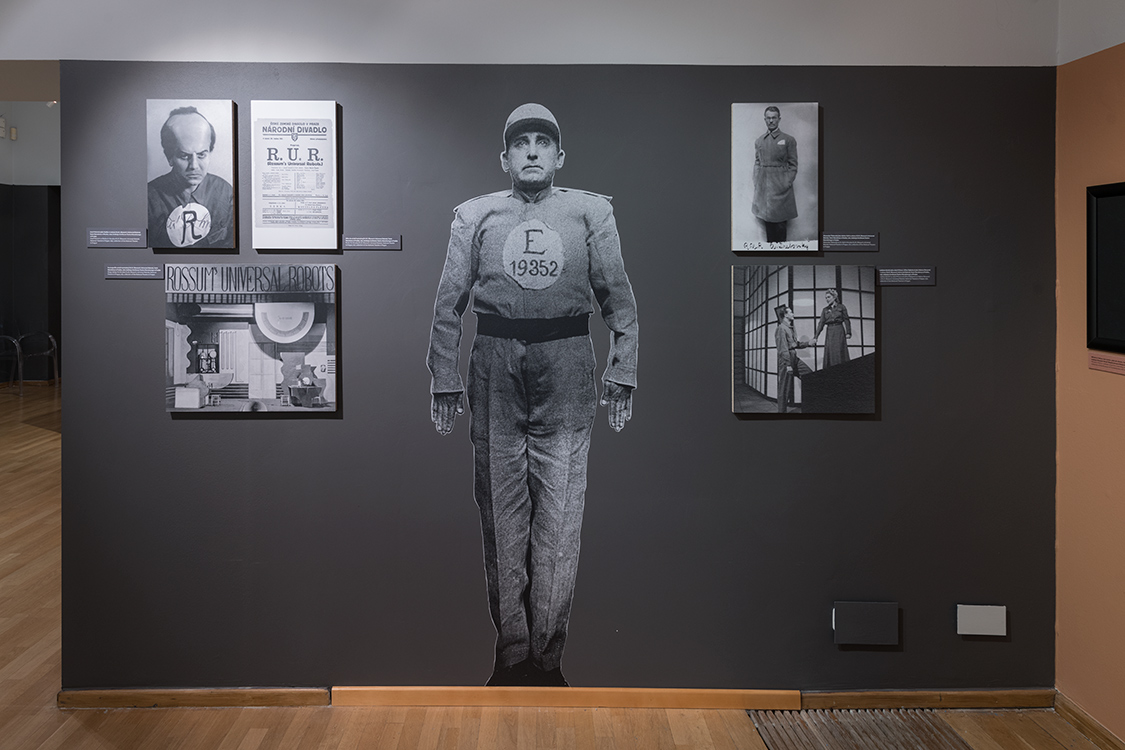
The man of the future was envisioned as healthy and fit, while his body was to resemble a machine. Health and hygiene, sports and active leisure were considered factors of social and personal change as well as important vehicles of consolidation of new societies. This dynamic transformation was well illustrated by the evolution of spas and sports facilities. Sports halls, racing tracks, swimming pools, and stadiums able to accommodate thousands of viewers were a visible sign of modernisation and a perfect tool for propagandist messages communicated by the newly emerged states.
This multimedia exhibition was addressed to art viewers without any age restrictions, both to the lovers and scholars of architectural history and applied arts, as well as to those interested in cultural and social changes of the early 20th century.
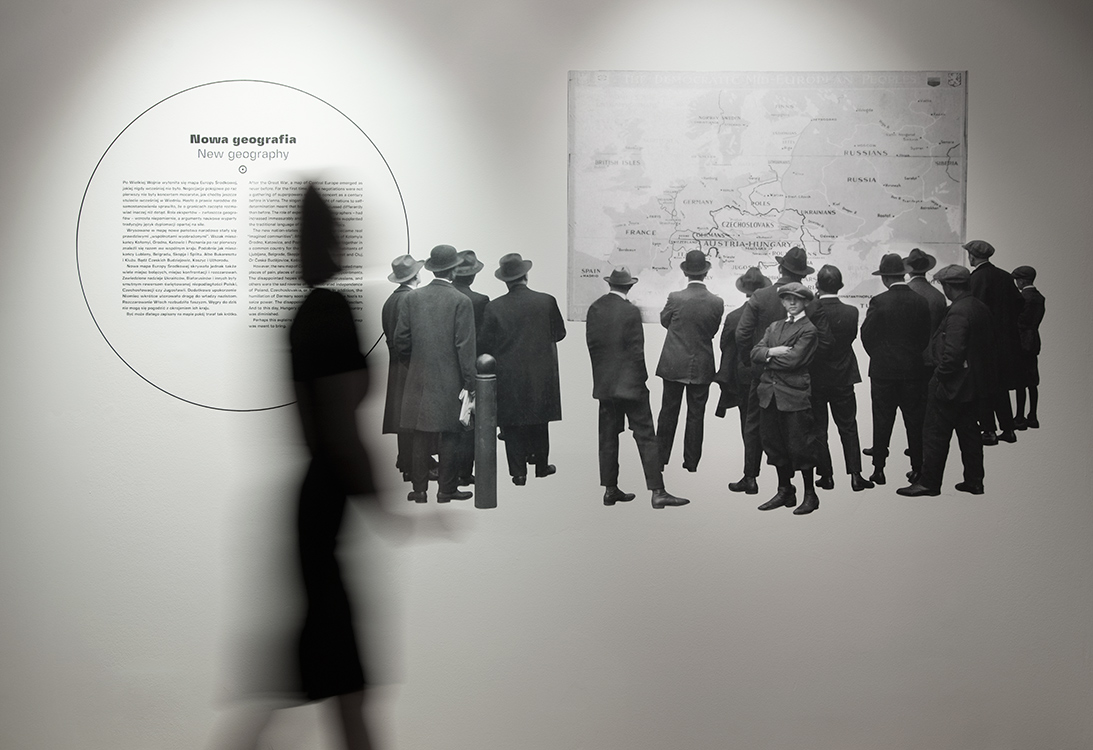
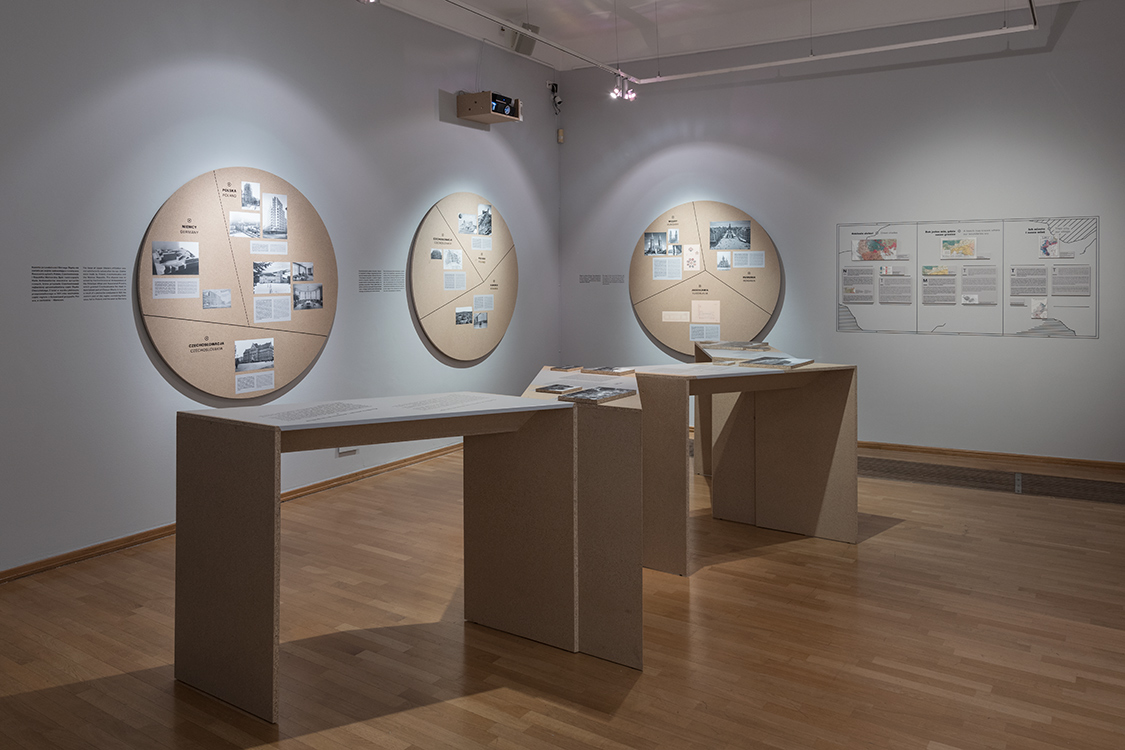
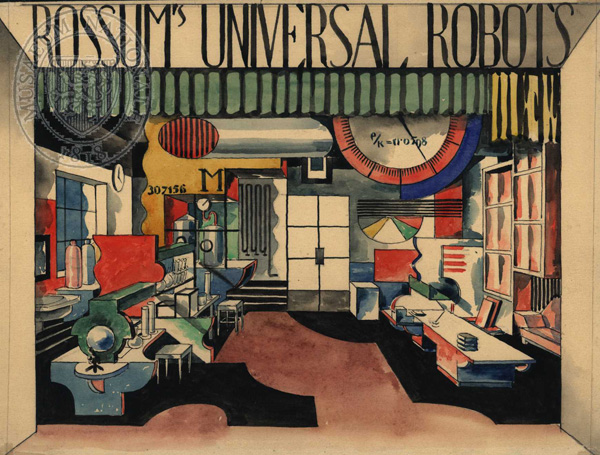
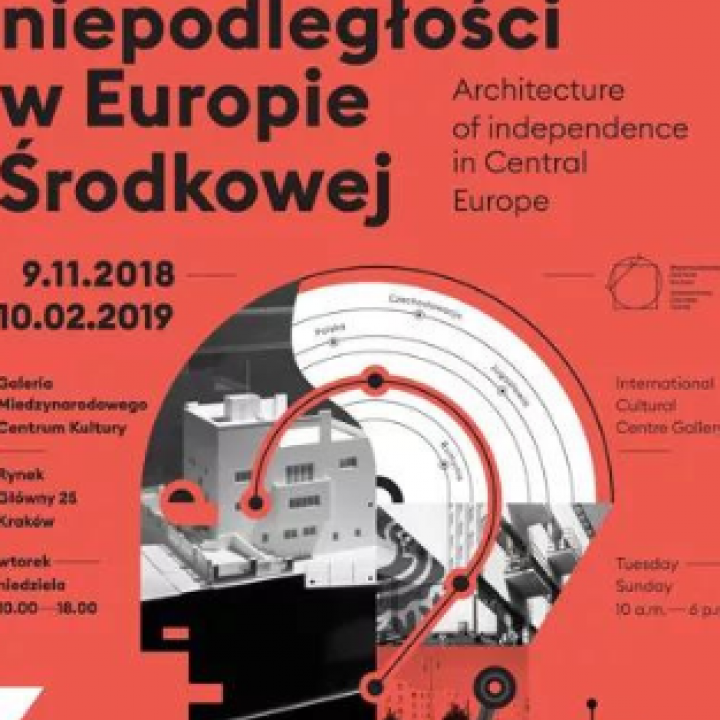
The makers of this exhibition wished to show a multi-layered nature of the subject matter through the presentation of archive architecture designs, original photographs from the period, films, as well as visualisations and models of architecture designed into the 1920s and ‘30s. Maps illustrating dynamically shifting borders of countries that regained independence will be shown as an integral part of the exhibition.

Curators: Łukasz Galusek, dr Żanna Komar, Helena Postawka-Lech, dr Michał Wiśniewski, Natalia Żak
Scientific consultant: Dr. Maciej Górny
Exhibition design: Paweł Żelichowski
Collage and print design: Łukasz Podolak
Organisation and coordination: Małgorzata Dziedzic, Kama Guzik, Anna Śliwa
Financed by the Ministry of Culture and National Heritage as part of the Multiannual Programme NIEPODLEGŁA 2017–2022.