
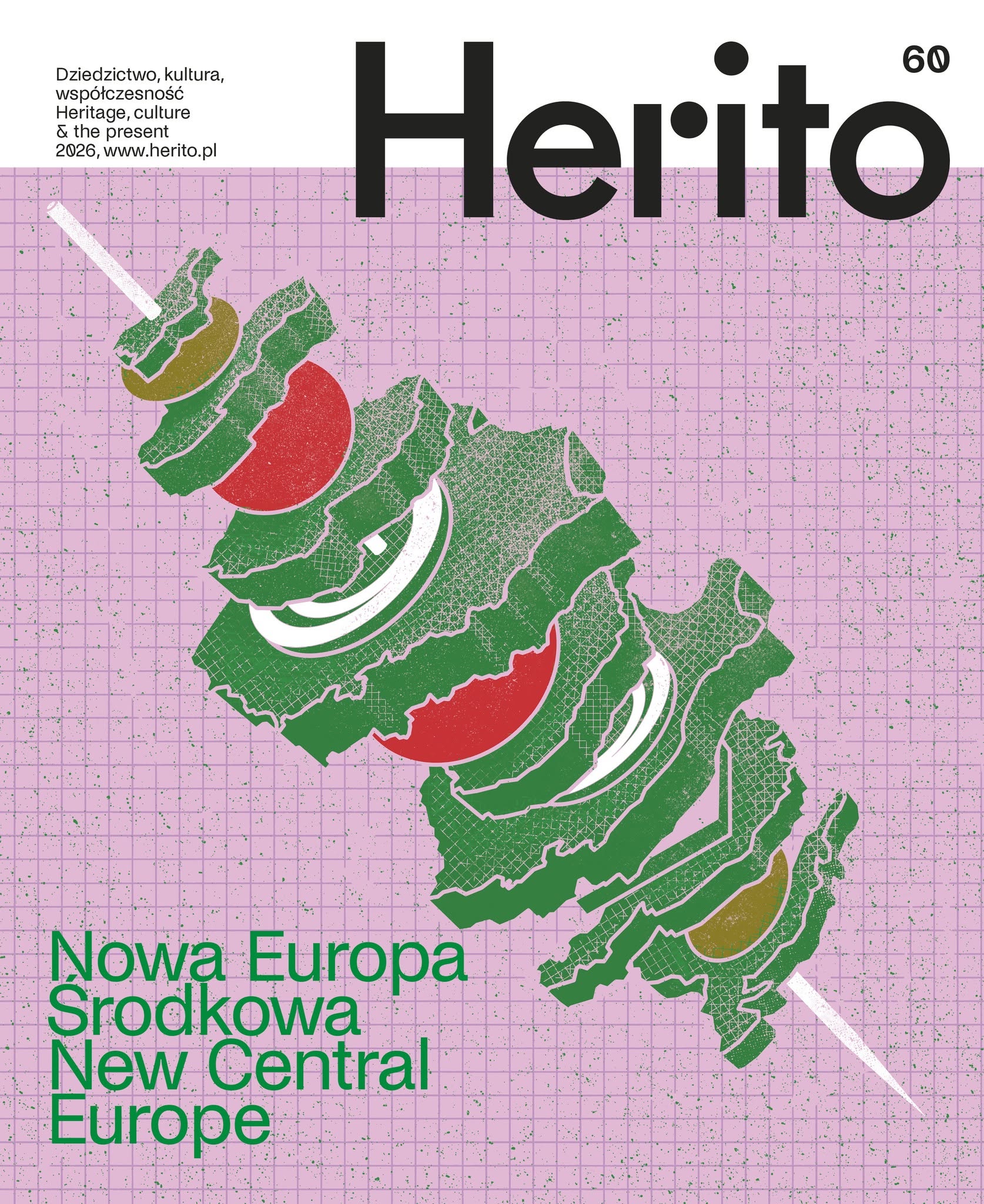
Does Central Europe still exist?
And if so, who needs it, and what kind of future lies ahead?
Between the Baltic and the Adriatic, the Danube and the Dnieper, a quiet shift is under way. The old languages we used to describe the region have run their course; invoking Kundera no longer helps us make sense of the world, while no new grand narratives have emerged to take their place. A region until recently bound together by economic and cultural ties is now drifting along conflicting vectors: political, energy‑related, and identitarian. Competing narratives and ambitions are pulling it apart. Is Central Europe still a community of shared experience, or has it become little more than a geographical shorthand—an empty shell, a term belonging to the realm of “meteorology”, as Peter Handke once put it?
We have invited writers from the Baltic to the Balkans to join us in searching for answers—and for a new centre of Europe. Their voices speak of a need to belong, while also revealing the possible futures of a region increasingly shaped by conflict and tension.
In this issue, then, we ask not what Central Europe was, but what it is becoming: what stories circulate between its cities and across its borders, what conflicts and imaginaries are giving it shape, and what kind of future is beginning to emerge from them.
Table of Contents
Jacek Purchla, East of the West. A Few Remarks
on the Phenomenon of Central Europe
Rein Raud, Self-Reflections from the Third Zone
Laurynas Vaičiūnas, Beyond the Forest’s Edge
Nelly Bekus, The Future of Central Europe.
The Regional Semantics of Liberal Order
Basil Kerski, Farewell to Nostalgia. How the
Space of Past Traumas Is Becoming
the New Heart of the Continent
Felix Ackermann, Post-Central Europe
Tomasz Markiewka, A Space of Mutual Attention
Karolina Ćwiek-Rogalska, Central Europe in Three Paintings
Ziemowit Szczerek, You’ve Got to Be Blind Not
to See Central Europe
Andrij Lubka, Europe in Search of Its Own Centre
Magda Vášáryová, Our Hopes Were in Vain: Central
Europe’s Fate Repeats Itself
Sebastian Schaffer, The World of Tomorrow.
Visions from Central Europe
Monika Herceg, Central Europe – a New
Neighbourhood, a Borderland
Paulina Małochleb, Against Compensatory History
Wojciech Stanisławski, Zoya in Brown Tights