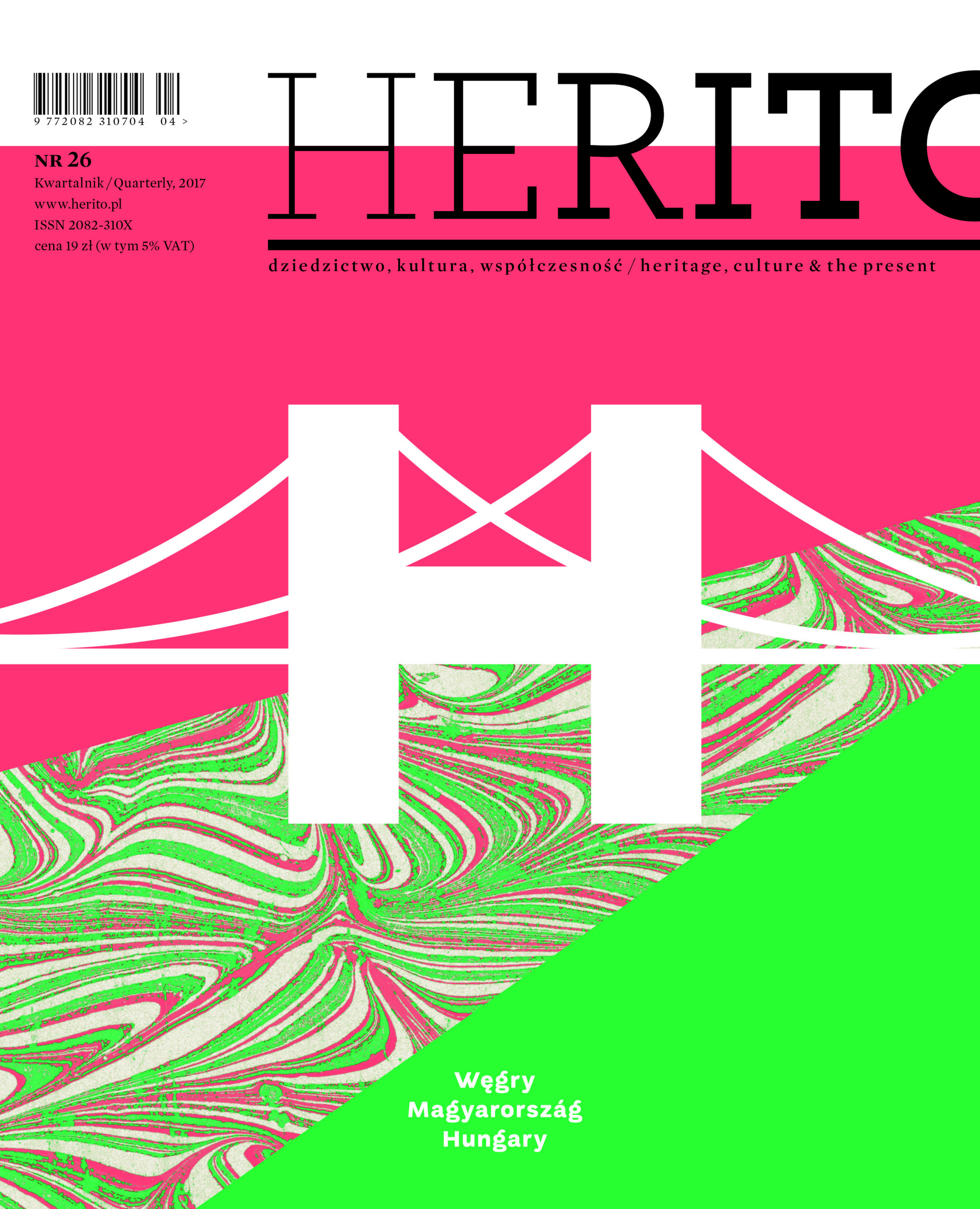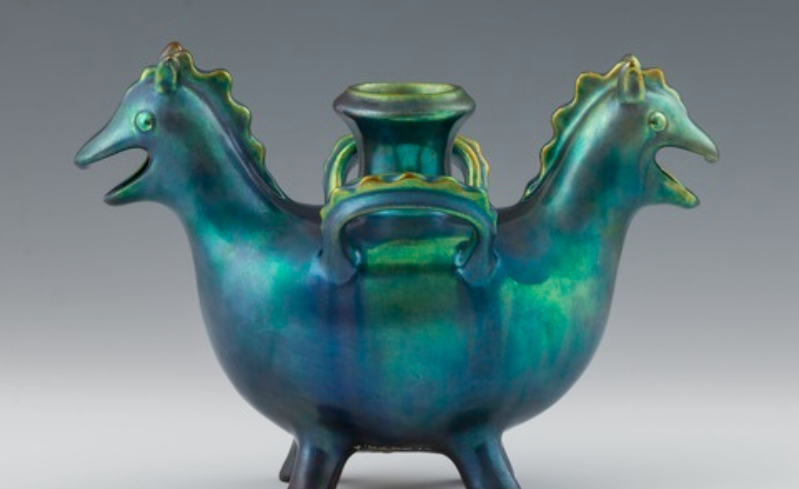
The Pécs products were appreciated by the emperor Franz Józef, and the collection of objects signed with the Zsolnay brand was in the collection of Walter Crane – an artist associated with the British Arts and Crafts movement. Going far beyond the borders of Austria-Hungary, Zsolnay’s fame attracted many visitors to Pécs fascinated by the mastery of the products made there. One of them was the Polish engineer and architect Tadeusz (Tádé) Sikorski. When led by professional interest – he managed the school of ceramics in Kolomyia, he visited Pécs in 1882. He probably did not think how this visit would affect his later fate. Not only did he make friends with the family of famous manufacturers, but in time he also married the daughter of the owners, Júlia Zsolnay. He quickly joined the work in the factory, where he was the artistic director for many years.
Publications
Publications
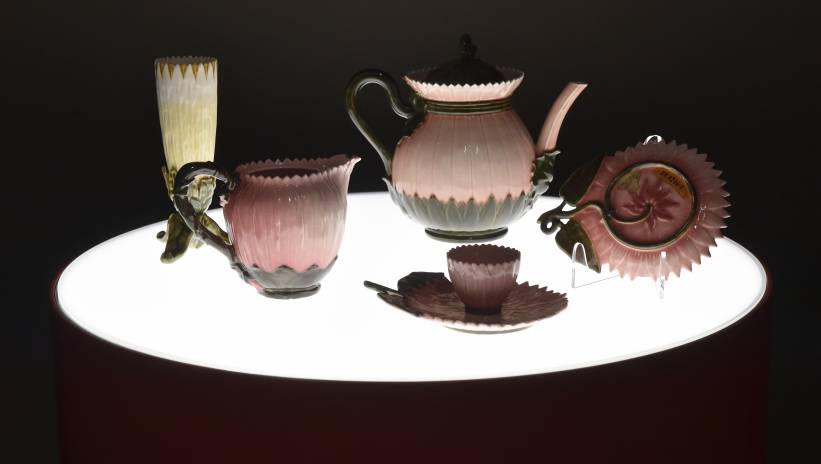
Tadeusz Sikorski was one of the most versatile designers – apart from decorative and functional ceramics, he designed interior design elements (e.g. candlesticks, mirror frames, furniture decorations) and architectural details. His works are proof of creativity and artistic imagination – which is reminded by a fanciful series of objects designed together with his wife Julia, inspired by the form of a lotus flower. Sikorski, who drew inspiration from various sources, was far from simple copying – he shaped his designs with great inventiveness, which is perfectly illustrated by, for example, objects referring to pre-Columbian culture. It is also possible that inspired by the collection of the engineer and traveler Władysław Klug, known to him, part of which can be seen today at the Krakow Archaeological Museum. Sikorski’s diverse legacy is not only proof of his artistic talent, but also reminds of the Polish contribution to the phenomenon of the famous manufacture.
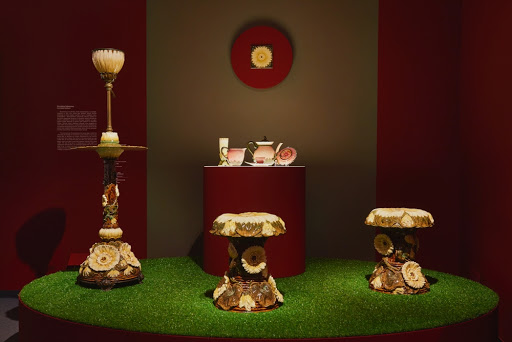
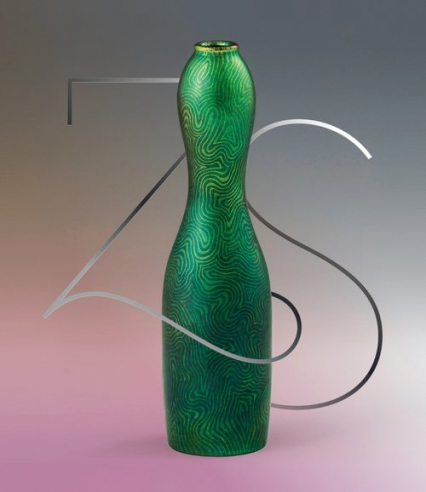
Zsolnay’s exhibition spoke about the phenomenon of the Zsolnay manufacture. Hungarian Art Nouveau presented at the MCK Gallery in 2017.
Publications