

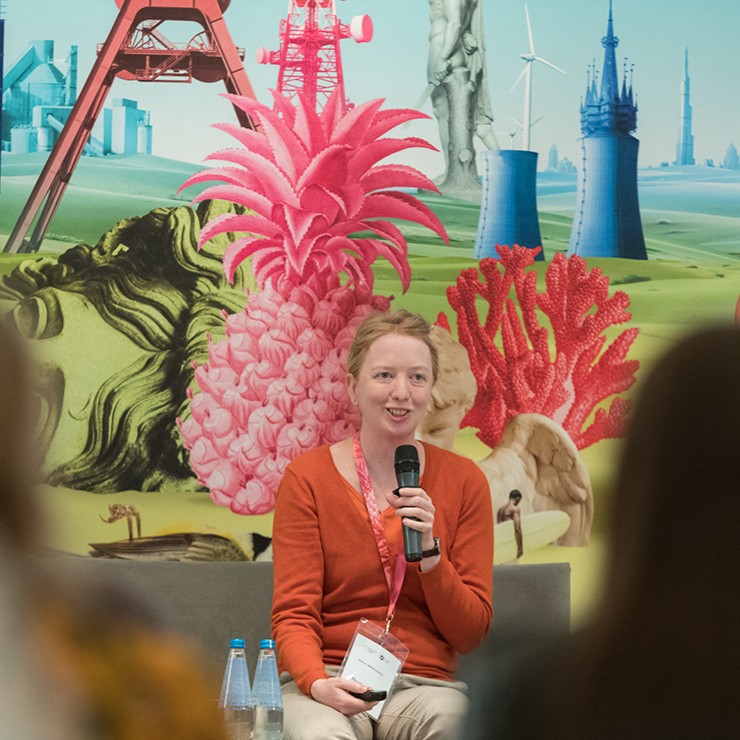
The 5th edition of the Heritage Forum of Central Europe took place on 19–20 September 2019. Its aim was to reflect on the multifaceted relationships between heritage and the environment.
Researchers representing a wide range of disciplines from both the humanities and the natural sciences were invited to participate in the 5th Heritage Forum of Central Europe. The speakers were selected through an open call for papers. A total of 88 proposals were submitted, from which those most closely aligned with the conference theme were chosen.
During the two days of proceedings, 52 speakers from 15 countries—Czechia, Estonia, the Netherlands, Lithuania, Malta, Germany, Poland, Romania, Slovakia, Slovenia, Switzerland, Ukraine, Hungary, the United Kingdom and Italy—presented their papers within a series of parallel thematic sessions: “Canals and Rivers; Heritage, Landscape and Environment”; “Heritage and Tourism”; “Intangible Heritage”; “Parks and Gardens”; “Heritage: Natural? Cultural? Both?”; “Landscape and Conflict”; “(Eco)Museums”; “Heritage and Local/Global Communities”; “Architecture and Landscape; Landscapes and the Urban Environment”; “Memory, Identity and Space”; and “Heritage and ‘Wastelands’”.
As part of the Forum, two plenary lectures open to the public were held. Prof. Carola Hein and Dr Tino Mager, specialists from the Chair of History of Architecture and Urban Planning at Delft University of Technology in the Netherlands, delivered the lecture “Adaptive Strategies for Water Heritage. Past, Present and Future”, discussing how water heritage can help address contemporary water-related challenges while drawing on both historical and present-day experiences.
Prof. Gabriele Dolff-Bonekämper of the Technical University of Berlin delivered the lecture “Shifting Frames of Heritage: Spaces, Places and Stories”. Inspired by the theory of Maurice Halbwachs (1877–1945)—the French sociologist and cultural theorist regarded as a pioneer of contemporary memory studies—her presentation related his well-known ideas to current debates on contested sites of memory.
OPENING LECTURE: “Writing History in the Age of the Anthropocene: An Ecological Biography of Kraków” – Adam Izdebski, Rafał Szmytka; moderator: Jacek Purchla.
In addition, the proceedings were complemented by eight expert lectures delivered by invited specialists. Dr Adam Izdebski and Dr Rafał Szmytka from the Faculty of History at the Jagiellonian University, in conversation with Prof. Jacek Purchla, presented the main theses of the volume they edited, “Ecobiography of Kraków”. Dr Hana Skokanová from the Silva Tarouca Research Institute for Landscape and Ornamental Gardening in Průhonice presented the historical landscape, its current state of preservation and methods of protection, using examples from the Czech Republic.
Doc. Dr Nijolė Strakauskaitė from Klaipėda University in Lithuania discussed plans for the reconstruction of Klaipėda Castle, while Dr Ágnes Balog, representing Apor Vilmos Catholic College in Vác, addressed the need and methods of fostering children’s sensitivity to cultural and natural heritage through play, creativity and, above all, direct experience. Dr Michał Kępski from the TRAKT Cultural Tourism Centre in Poznań outlined a comprehensive approach to heritage and to the role of museums in its preservation.
Prof. Marie-Theres Albert of the Institute Heritage Studies in Berlin spoke about building a European identity through education related to transboundary inscriptions on the UNESCO World Heritage List, using Muskauer Park / Park Mużakowski as an example. The presentation by Dr Artur Chojnacki, representing the Social Committee for the Restoration of Kraków’s Historic Monuments, on the place of nature in Kraków was in a sense continued in the closing lecture of the 5th Heritage Forum of Central Europe delivered by Łukasz Pawlik, Deputy Director of the Municipal Greenery Authority. In his presentation, he outlined the city authorities’ current initiatives aimed at strengthening urban greenery through the revitalisation of existing parks and the creation of new ones.
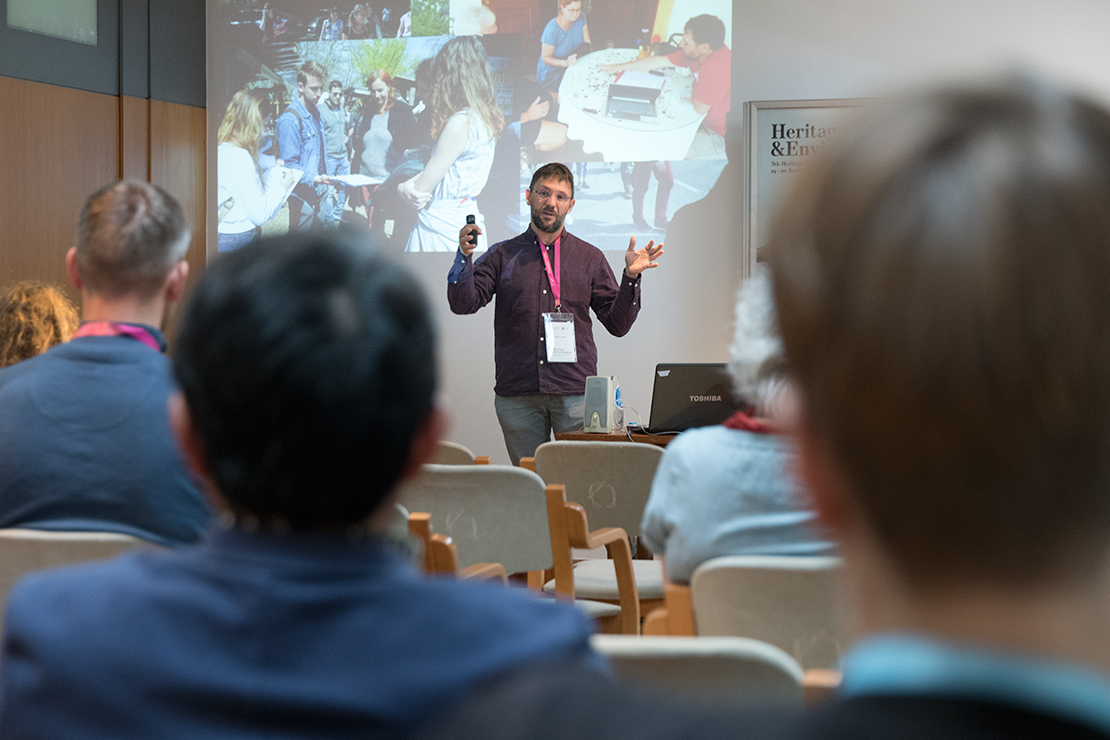
The Heritage Forum of Central Europe was organised by the International Cultural Centre
In connection with the 450th anniversary of the Union of Lublin, a special place during the 5th Heritage Forum of Central Europe was dedicated to our north-eastern neighbours. Among the speakers were six participants from Lithuania, including Dr Ingrida Veliutė, Vice-Minister of Culture.
Partner: Municipal Greenery Authority in Kraków
Downloads
PDF (0.68 KB)

 Print
Print