
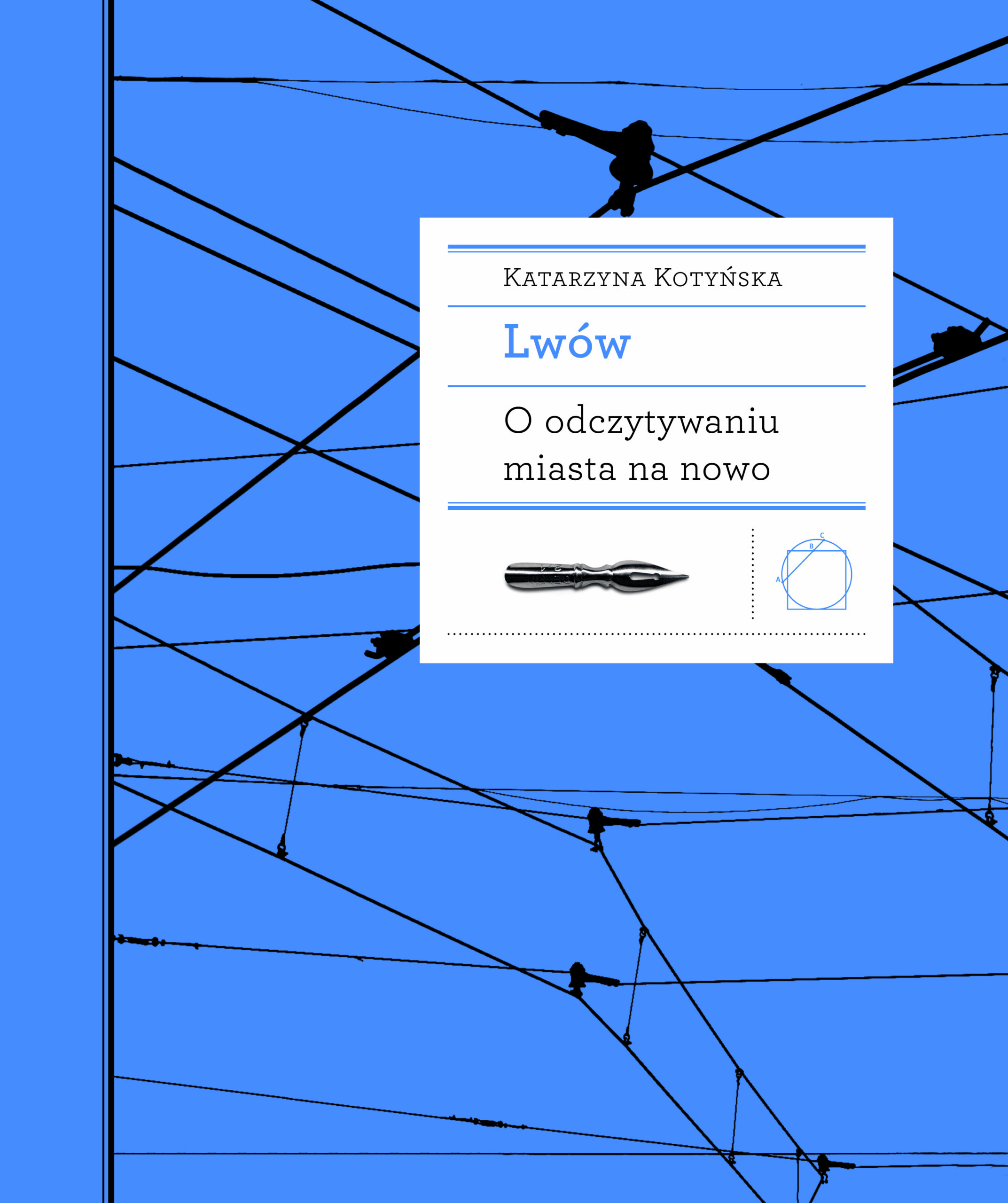
The first holistic approach to the image of Lviv in the literature of various nations. Spanning the whole 20th century, it allows a most clear observation of methods of constructing the Polish, Ukrainian, Jewish, and Russian Lviv narratives, their mutual ties and conflicts. Only against such a background, do today’s controversies and discussions about Lviv’s identity become legible.
One of the fundamental traces of “Lviv literature” is the multiculturalism of the city, which is constantly quoted especially by Ukrainians and Poles, as the most magnificent of the city’s traits. The author tries to portray what elements – and their interpretations – are used to build images of Lviv, enticing with their cloudless ideal visions, and what they actually conceal. This is so because the myth frequently serves for a comfortable shroud hiding away actual historical problems and controversies around identity, as well as incessant attempts at imprinting the city and appropriating it to your own culture – against somebody else’s.
Content
Wstęp
Cesarstwo pięknej iluzji. Obraz Lwowa pod panowaniem Austrii
Pierwszy lwowski koniec świata: Listopad 1918
Lokalna teoria względności. Jak obcość staje się wielokulturowością
Żydzi we Lwowie, Żydzi o Lwowie. Spojrzenie spoza polsko-ukraińskiego sporu
Białe plamy a rebours. Lwów w literaturze PRL i USRR
Dawno, dawno temu… A może całkiem niedawno?
Mit z zasmażką czy mit a la Nouvelle Cuisine?
Nowe otwarcie
Zakończenie: odbiór wieńczy dzieło
Bibliografia
Indeks nazwisk
O autorce