
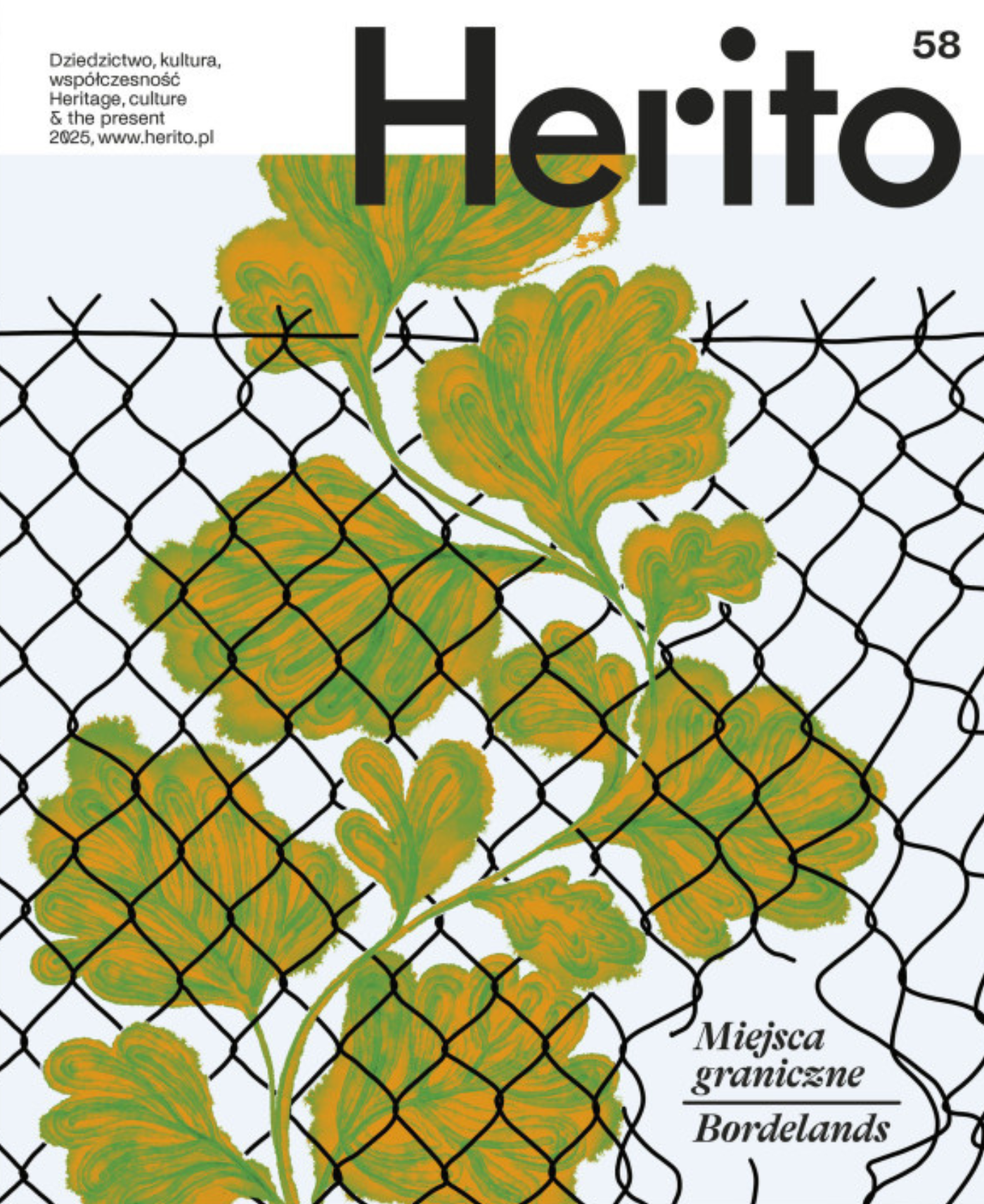
It is impossible to think and talk about the future of Central Europe without invoking the concept of borders: both in the geographical and metaphorical sense. We wonder what the experience of the border is today: is it just a barrier, or is it still a space for meeting and exchange? Do borderlands have their own unique character? How do contemporary political, social, and mental divisions affect the lives of cities and regions? And how do they open up opportunities for cooperation and building new communities?
Borders have not disappeared – they have changed their nature. The issue we are presenting to you is an invitation to reflect on how our everyday experience of the borderland fits into the broader context of Central European history, which has taught us that identity is shaped by movement, tension, and dialogue.napięciu i w dialogu.
Spis treści
From the editors
Andrij Lubka – Growning out of the Border
Zbigniew Machej – The Hercynian Forest, Limes, and Marcomanni, People of the Borderlands
Paulina Siegień – Fork
Eryk Krasucki – Szczecin under the Weight of Myths
Yulia Manukian – Kherson Oblast: a Liminal Being on the Land of Gods and Heroes
Maciej Czerwiński – Mitteleuropa Mediterranea? Adriatic polyptych
Éva Kovács – Border Myths and Local Narratives. A study of the Austro-Hungarian Frontier
Kaja Širok – Heritage, Memory, and Education. The First Borderless European Capital of Culture
Aleksandra Wojtaszek – How Many Bords Are There?
Wojciech Stanisławski – East Sarajevo