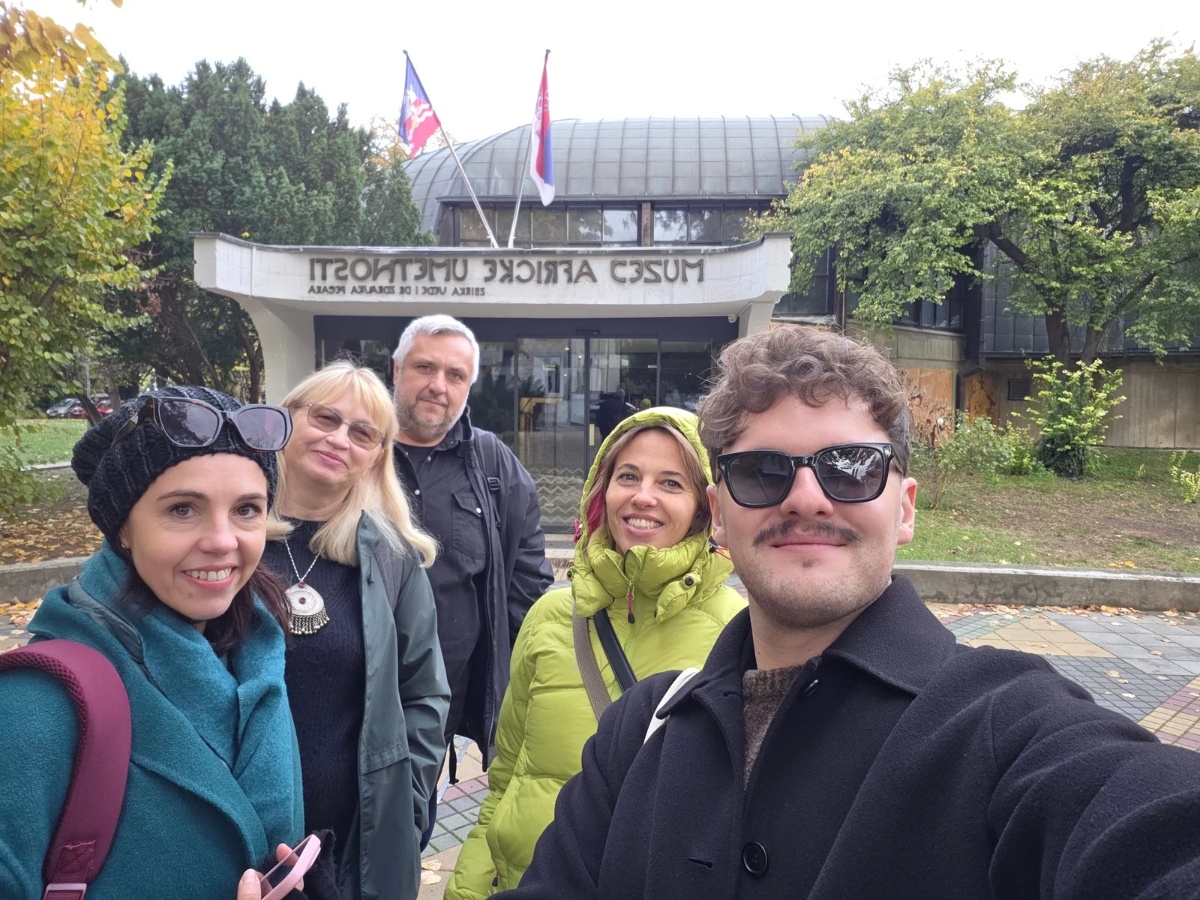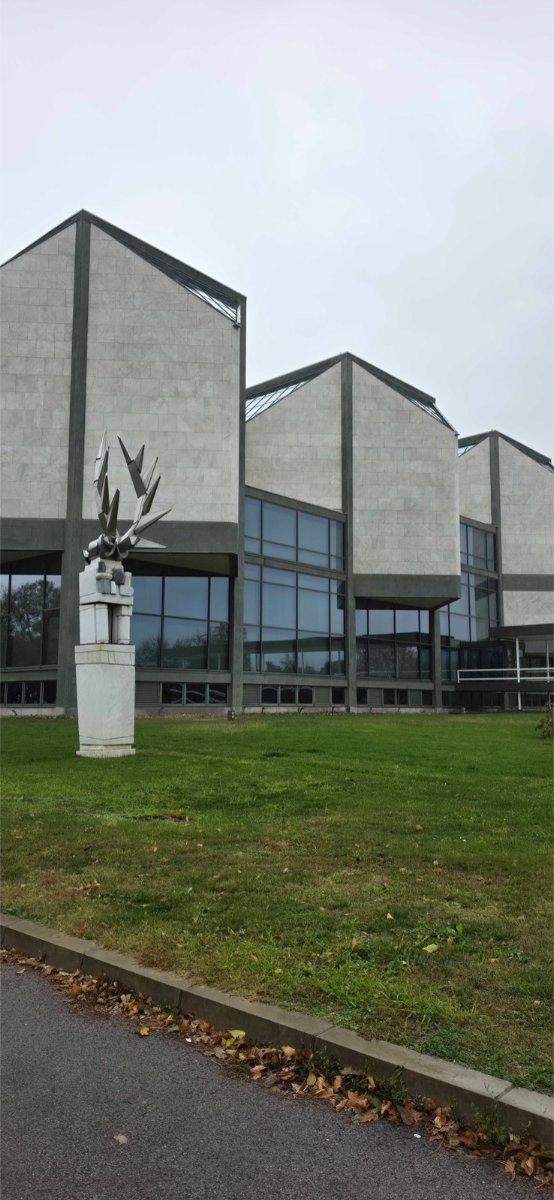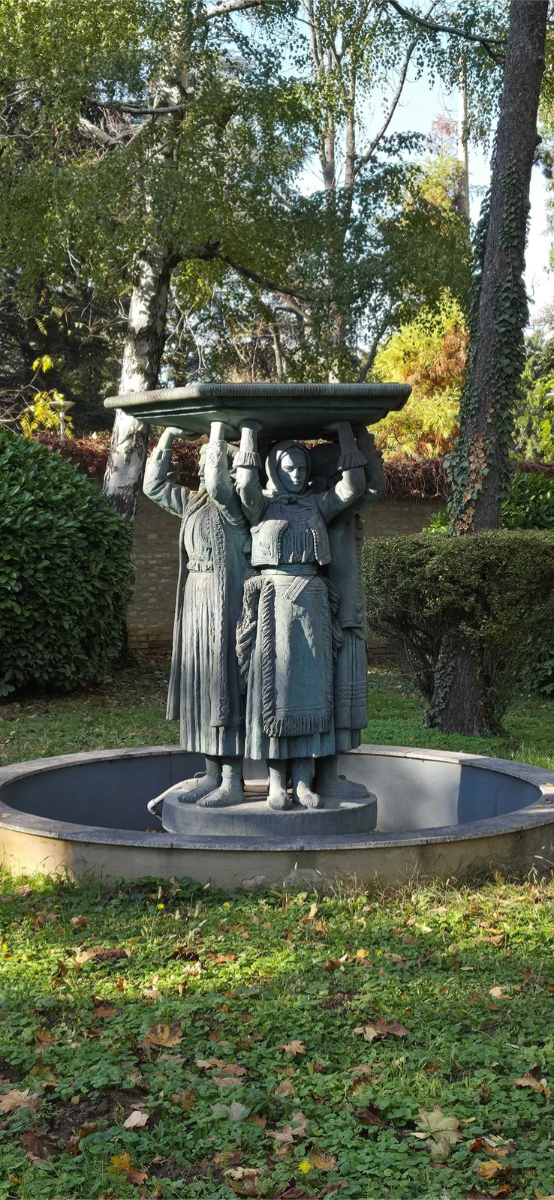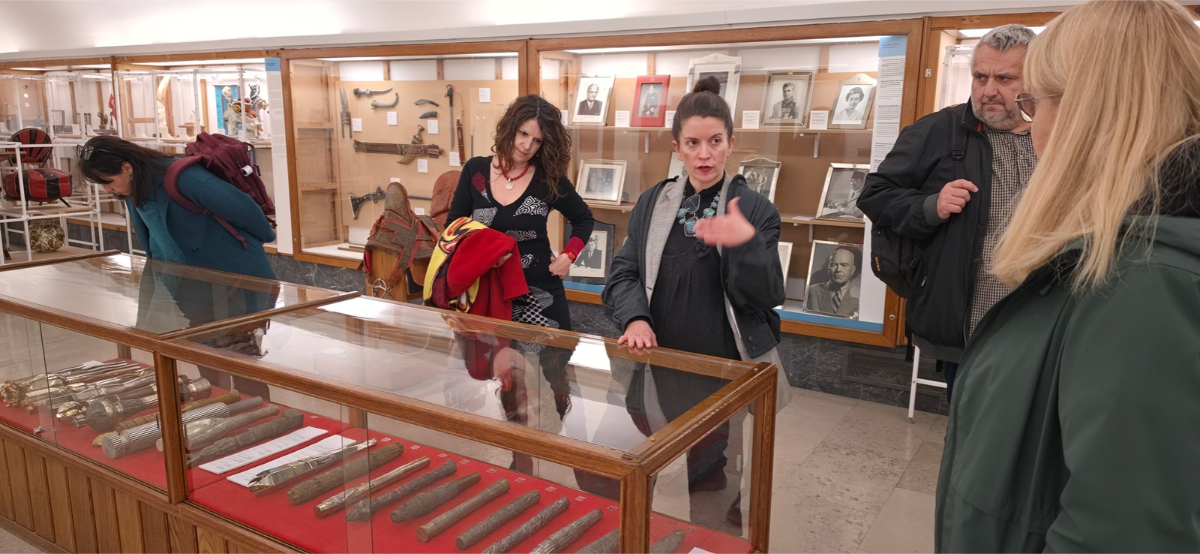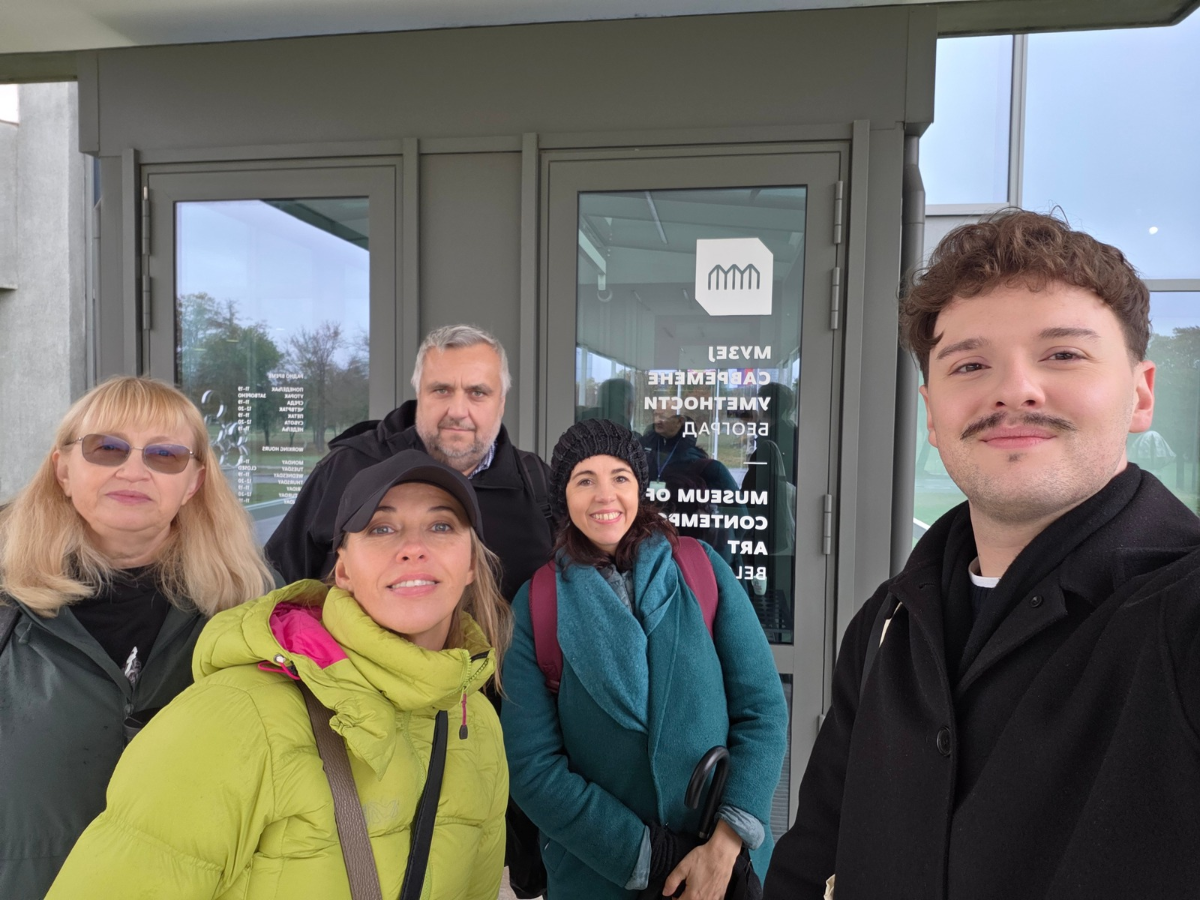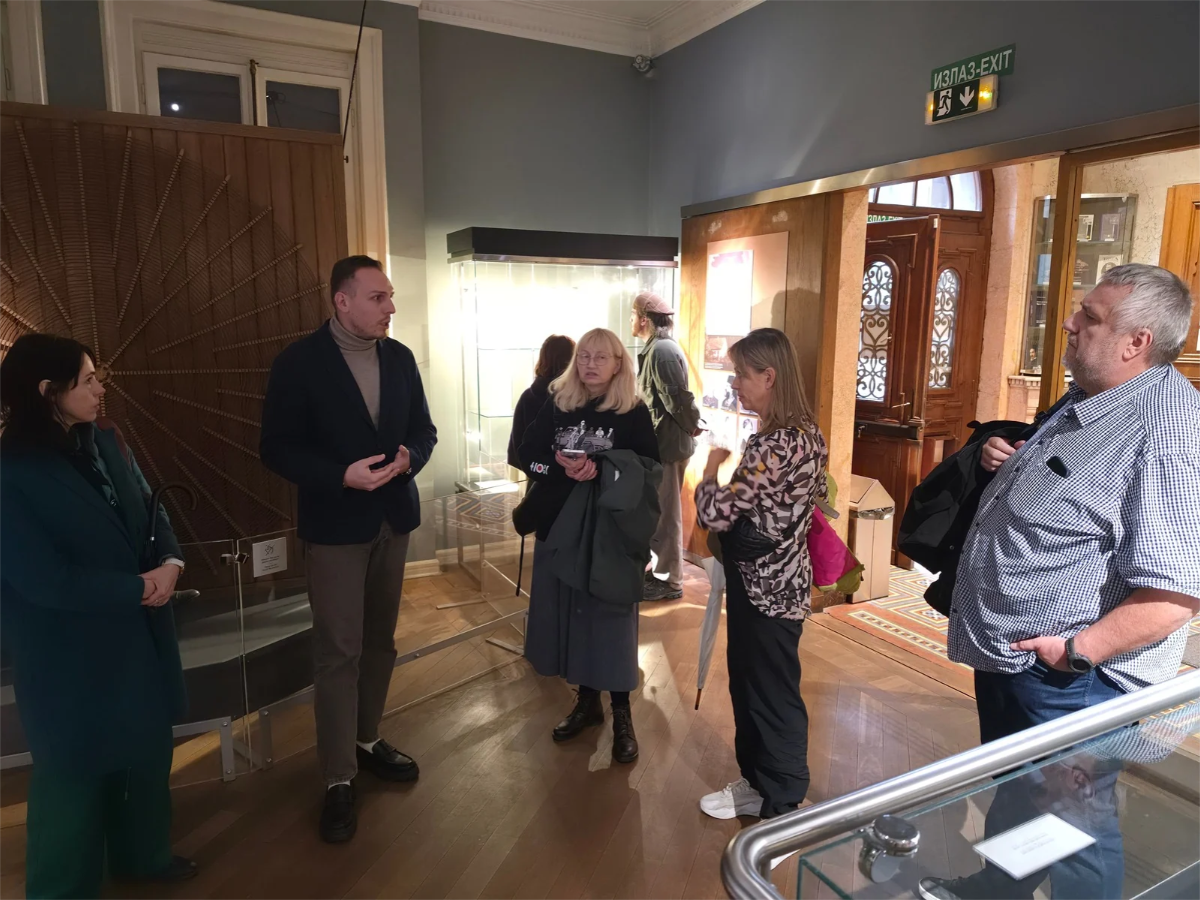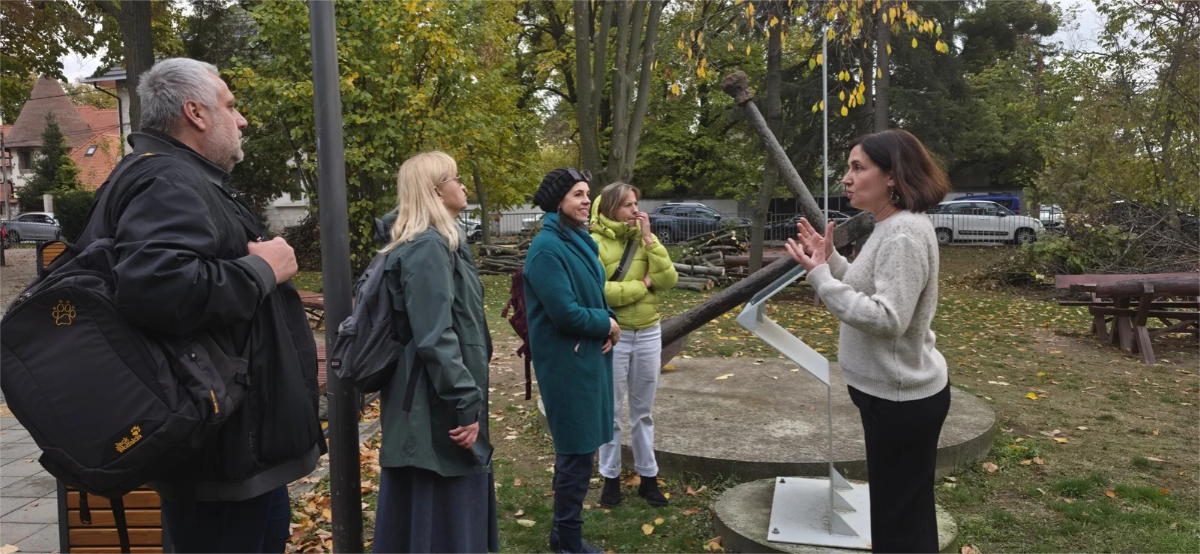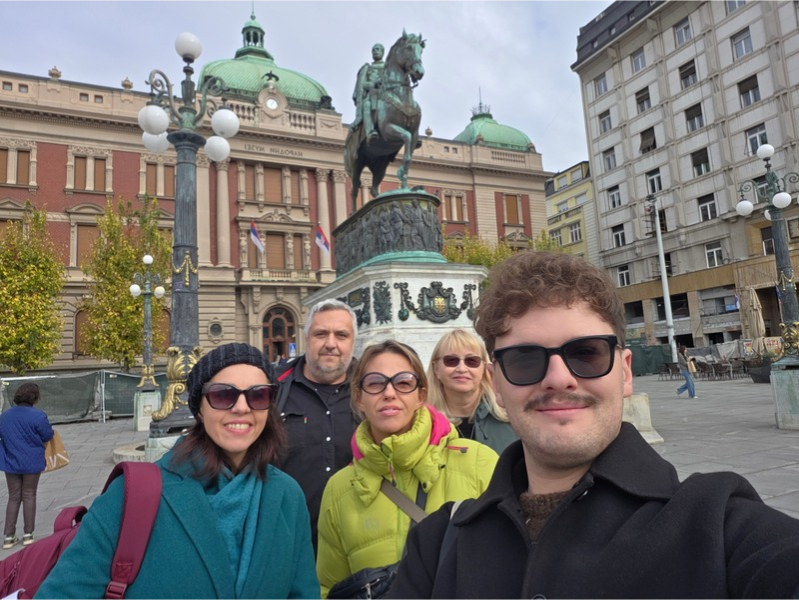
During the study visit, the ICC team also had the opportunity to exchange experiences in the fields of education, communication, accessibility and curatorial work. We discussed contemporary challenges in museum work and best practices in this field with the management teams of the various institutions, as well as innovative solutions worth adopting when creating exhibitions or accompanying and educational events. In the Serbian capital, our representatives met with staff from Belgrade’s leading museums and exhibition venues. Study visits took place at the Museum of Contemporary Art, the Nikola Tesla Museum, the National Museum, the Museum of African Art, the Museum of Yugoslavia (Serbia) and the Belgrade Cultural Centre.
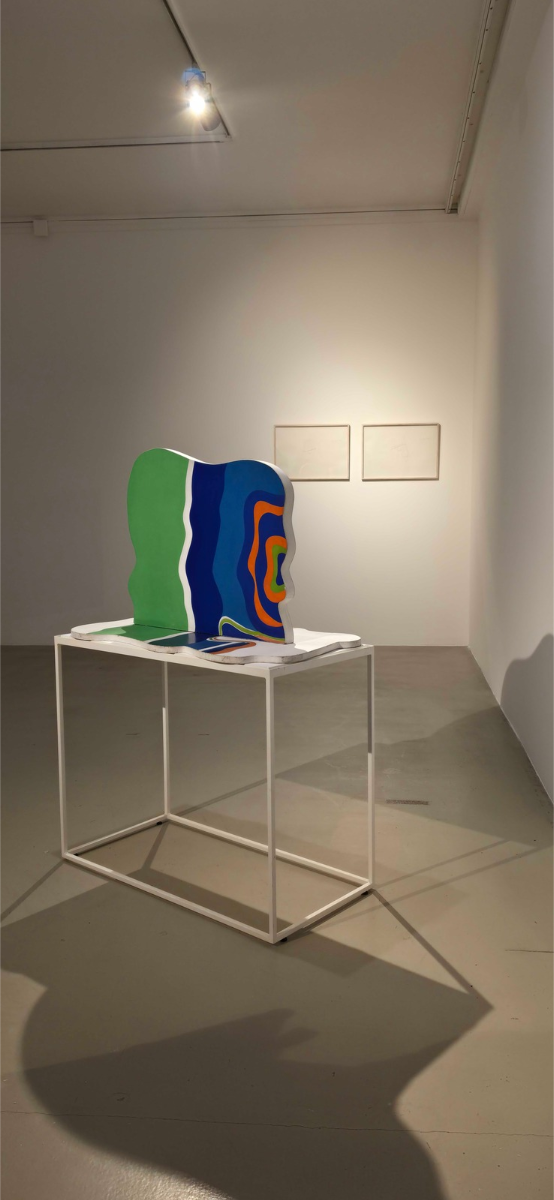
Representatives of our institution met with the communications and education teams, curators, as well as those responsible for the conservation and storage of artefacts and library collections. They also had the opportunity to view some of the current exhibitions and explore the permanent collections at the various institutions. They attended the opening of the exhibition at the Museum of Contemporary Art in Belgrade, entitled “Time Bombs”, which was organised in collaboration with the Museum of Modern and Contemporary Art in Rijeka. The ICC team also held talks with representatives of the Polish Institute in Belgrade – its director, Lech Kończak, and his deputy, Jacek Multanowski.
The study trip to Belgrade formed part of the activities carried out by the ICC as part of the FEnIKS programme, which aims to renovate and modernise our headquarters. Taking part in study visits enables the ICC team to learn about proven solutions used by Polish and foreign cultural institutions, as well as to draw inspiration that will help develop new concepts for the ICC’s modernised space and programme.
The FEnIKS project involves not only the modernisation of infrastructure, but also the enhancement of staff skills and the development of a programme that meets the contemporary needs of the public. The experience gained during the visit to Belgrade will be utilised in further work on creating a modern, accessible and open space at the International Cultural Centre in Kraków.
Further information about the FEnIKS programme