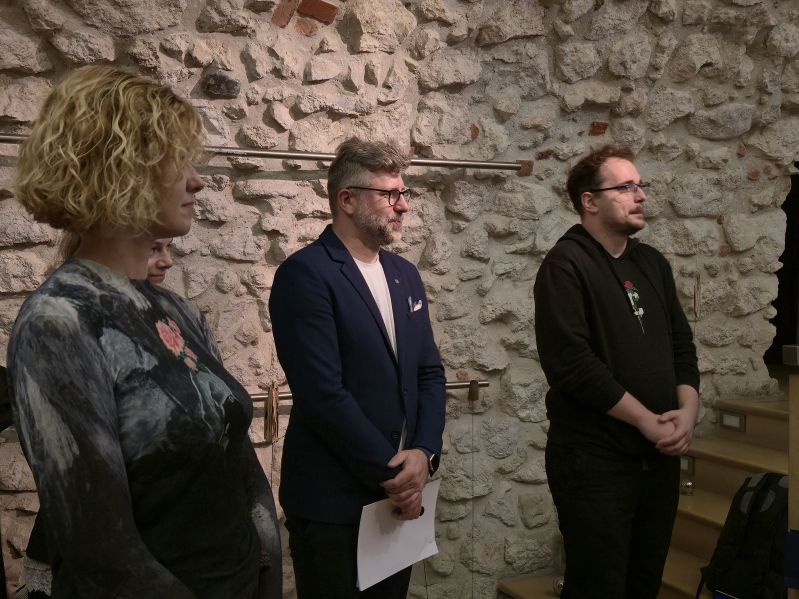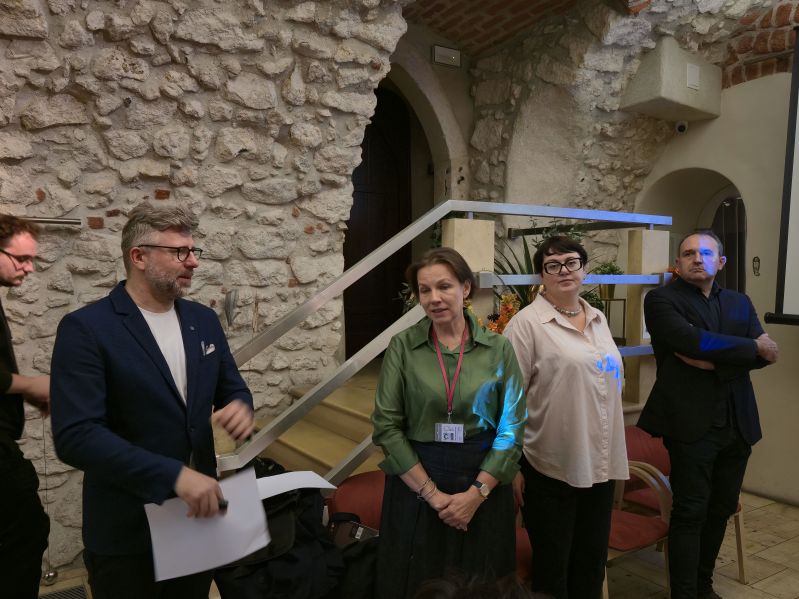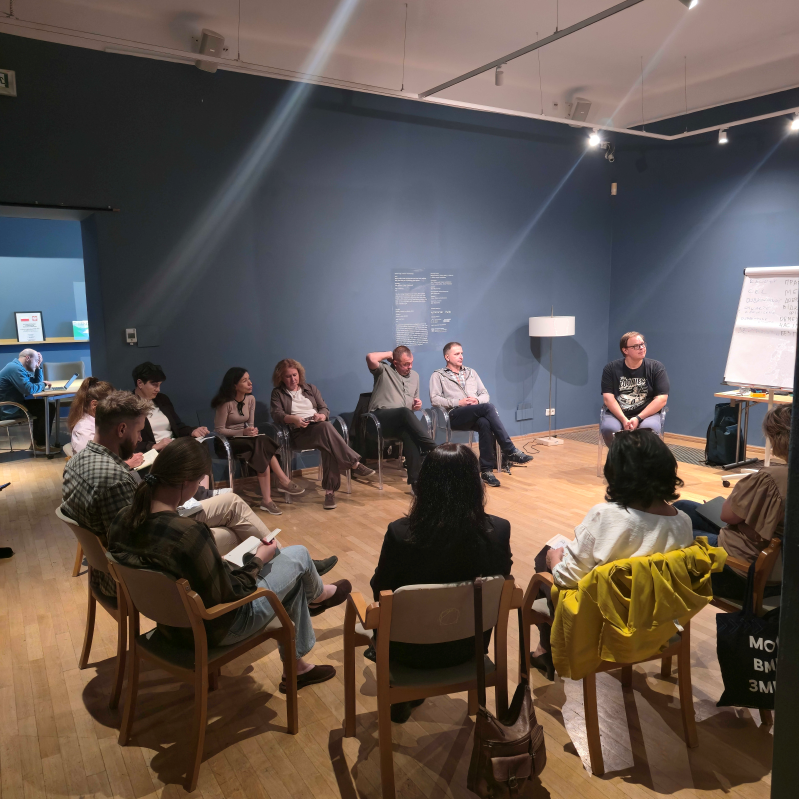
The Heritage Academy for Ukraine was launched in 2023 on the initiative of the ICC in dialogue with representatives of the Ukrainian cultural sector. From the outset, its aim has been to provide practical support to specialists working in Ukrainian cultural institutions – both in the field of heritage conservation and in modern management, communication and education. The project is being implemented in collaboration with Ukrainian partners and addresses the needs of the cultural sector, which, in the context of war, must simultaneously protect its collections and monuments, document losses, prepare for reconstruction and seek new ways of reaching audiences.
Today, this last point takes on particular significance. Cultural institutions no longer compete solely with other museums or galleries. They also compete for the public’s attention with social media, streaming platforms, games and the entire world of digital entertainment. That is why the question regarding the future of museums and heritage institutions is increasingly not just: how to preserve heritage, but also: how to make future generations want to explore it.
– Today, heritage needs not only protection but also new ways of telling its story. Gamification, artificial intelligence and immersive technologies are not ends in themselves for cultural institutions. They are tools that can help us better understand our audiences, engage them and build a relationship with heritage. We want those taking part in the Academy to return to their institutions not only with knowledge, but above all with ideas that they can put into practice straight away – says Dr Michał Wiśniewski, head of the ICC’s Educational Department – The Academy of Heritage.
This year’s Academy demonstrates that support for Ukrainian cultural institutions can and should go beyond the traditional concept of heritage conservation. In times of war, digital tools also become a means of safeguarding memory and knowledge. In this context, new technologies are therefore not merely a matter of modernising what museums have to offer. They can become one of the tools for protecting, documenting and making heritage accessible. They can also help cultural institutions remain present in people’s lives – even when direct access to a museum or historic site is difficult.
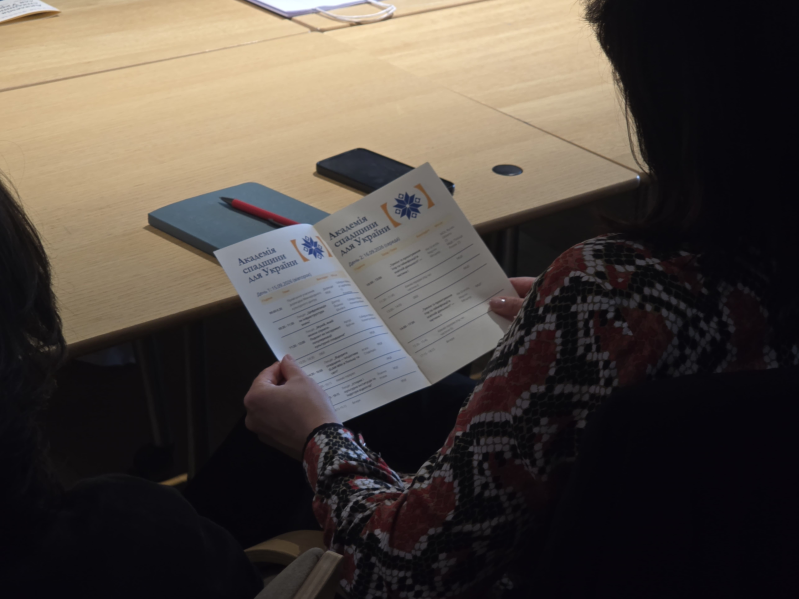
Programme of the fourth edition
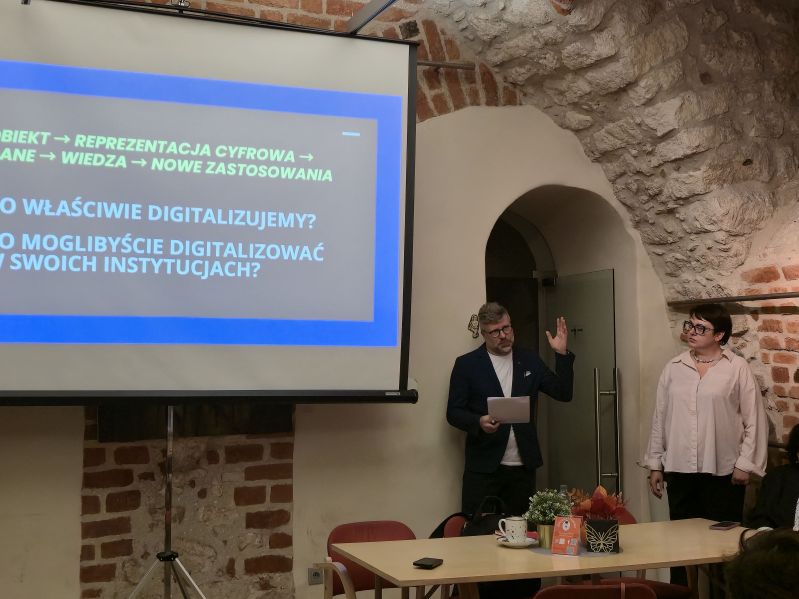
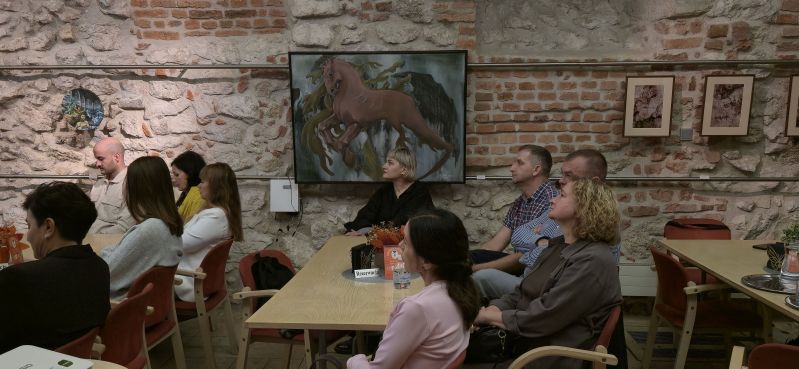
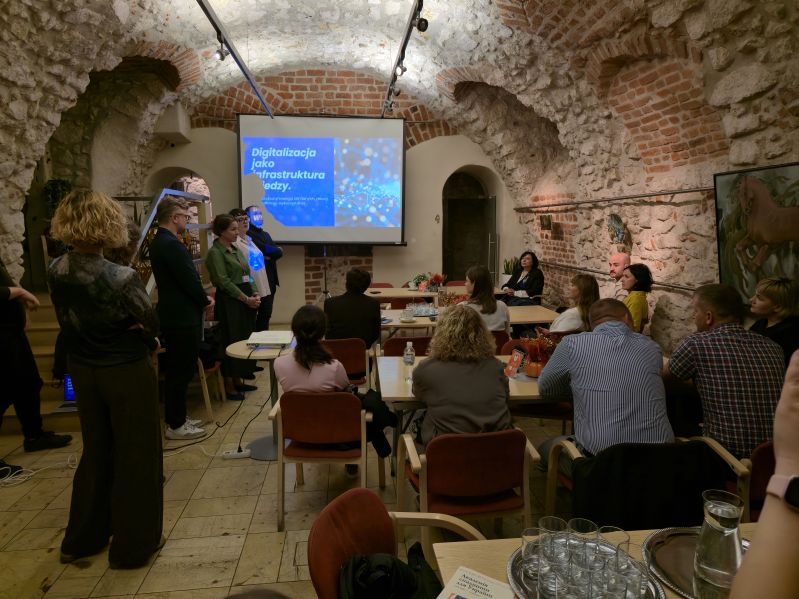
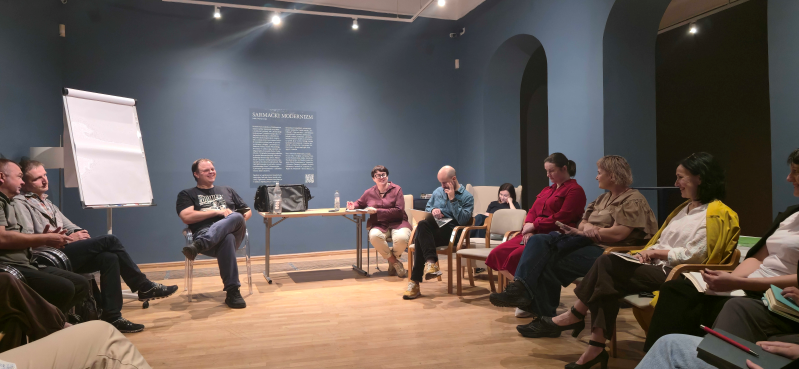
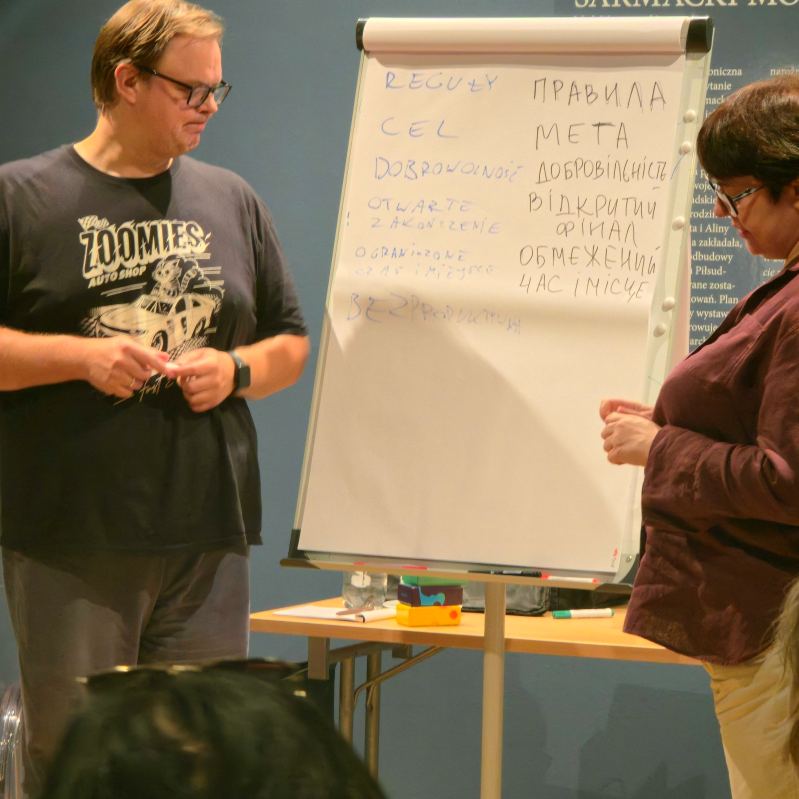
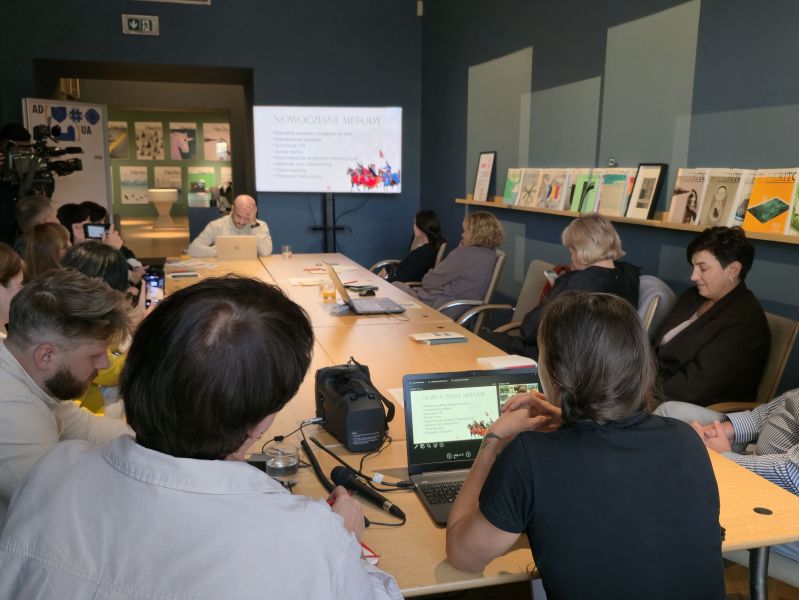
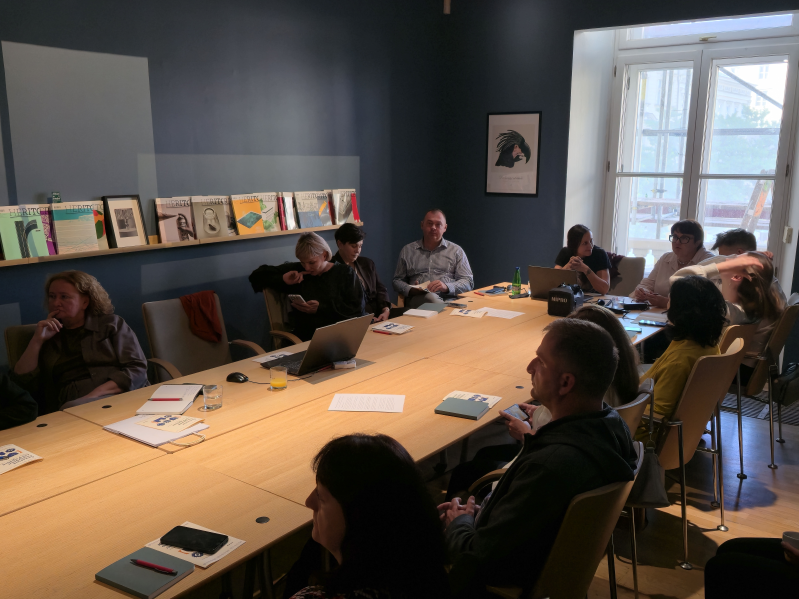
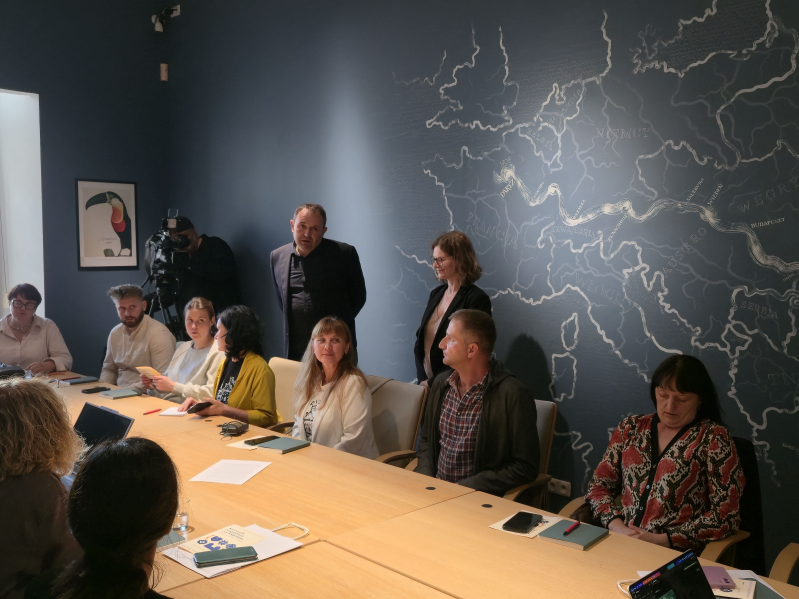
This year’s programme is primarily practical in nature. Participants are taking part in workshops on gamification and game design for cultural institutions, explore the possibilities of using new technologies and artificial intelligence, and learn how to create effective commands and prompts. An important part of the Academy’s programme consists of study visits – including a visit to the EduVRGameLab at the AGH University of Science and Technology, where participants learn about the potential of games and VR and AR technologies in education and culture, as well as a visit to the Collegium Maius Museum at the Jagiellonian University.
The programme also provides an opportunity for the participants themselves to present the work of their institutions, the projects they are carrying out, and the challenges facing the Ukrainian cultural sector. This part of the Academy facilitates a direct exchange of experiences and showcase the diversity of activities undertaken by Ukrainian museums and cultural institutions.
The Academy is therefore not only an educational programme, but also a space for mutual learning. During previous editions, participants visited Polish museums and cultural institutions, met with experts and learnt about best practices in areas such as heritage conservation, management, education, promotion and fundraising. Another important outcome of the project was the professional networks that extended beyond the duration of the seminar itself. The fourth edition of the Academy marks the next stage of this collaboration – moving from sharing experiences related to heritage conservation to jointly seeking answers to questions about what the cultural institutions of the future will look like and how they might utilise new technologies.
From heritage conservation to building the future of cultural institutions
The fourth edition of the Academy is taking place at a time when the importance of protecting Ukraine’s heritage is particularly acute. Culture is increasingly seen as one of the cornerstones of Ukraine’s future reconstruction, a point emphasised during the Ukraine Recovery Conference 2026, held in Gdańsk on 25–26 June 2026.
That is why this year’s Academy raises the question of the next stage of cooperation: how to help Ukrainian cultural institutions not only to preserve their heritage, but also to build modern, accessible and engaging institutions of the future. The answer lies in skills. And it is precisely the development of these competencies – through the exchange of experiences, workshops, study visits and direct contact between Polish and Ukrainian specialists – that the Heritage Academy for Ukraine is dedicated to.
The programme is funded by a grant from the Ministry of Culture and National Heritage’s “Inspiring Culture 2026–2027” programme, in collaboration with the “Ancient Dvingorod” Reserve and the Polish Institute in Kyiv.
Organizer:

Partners: