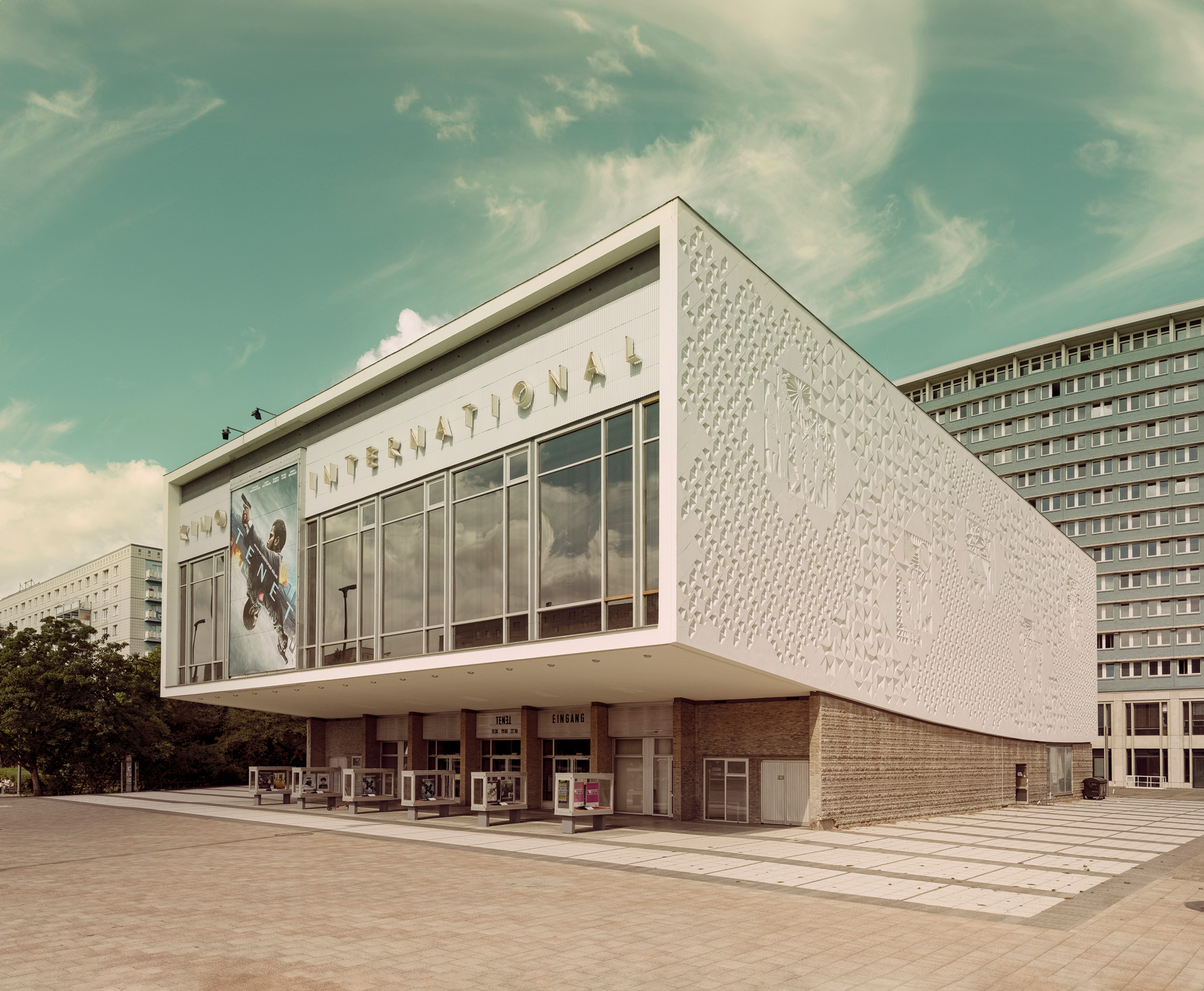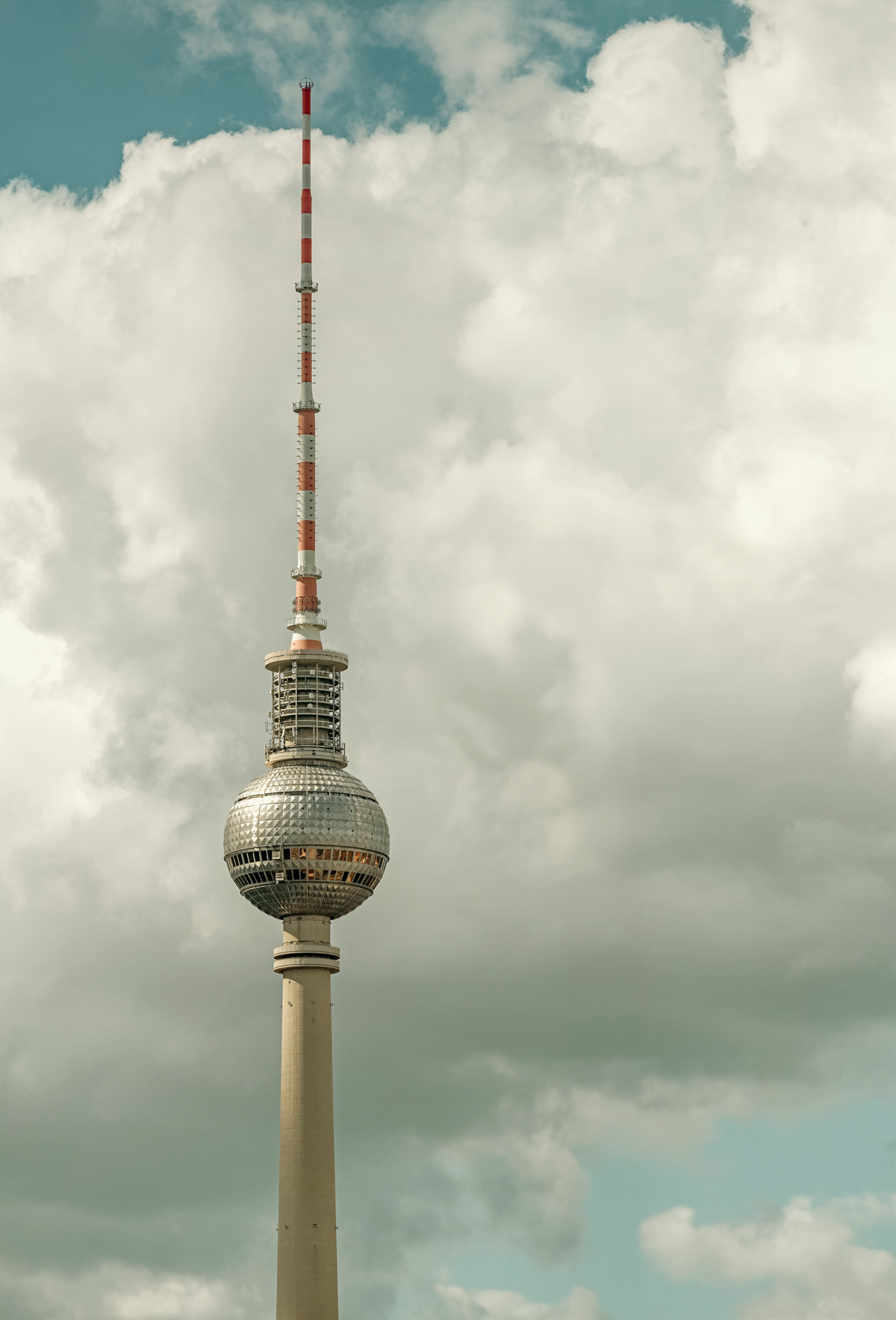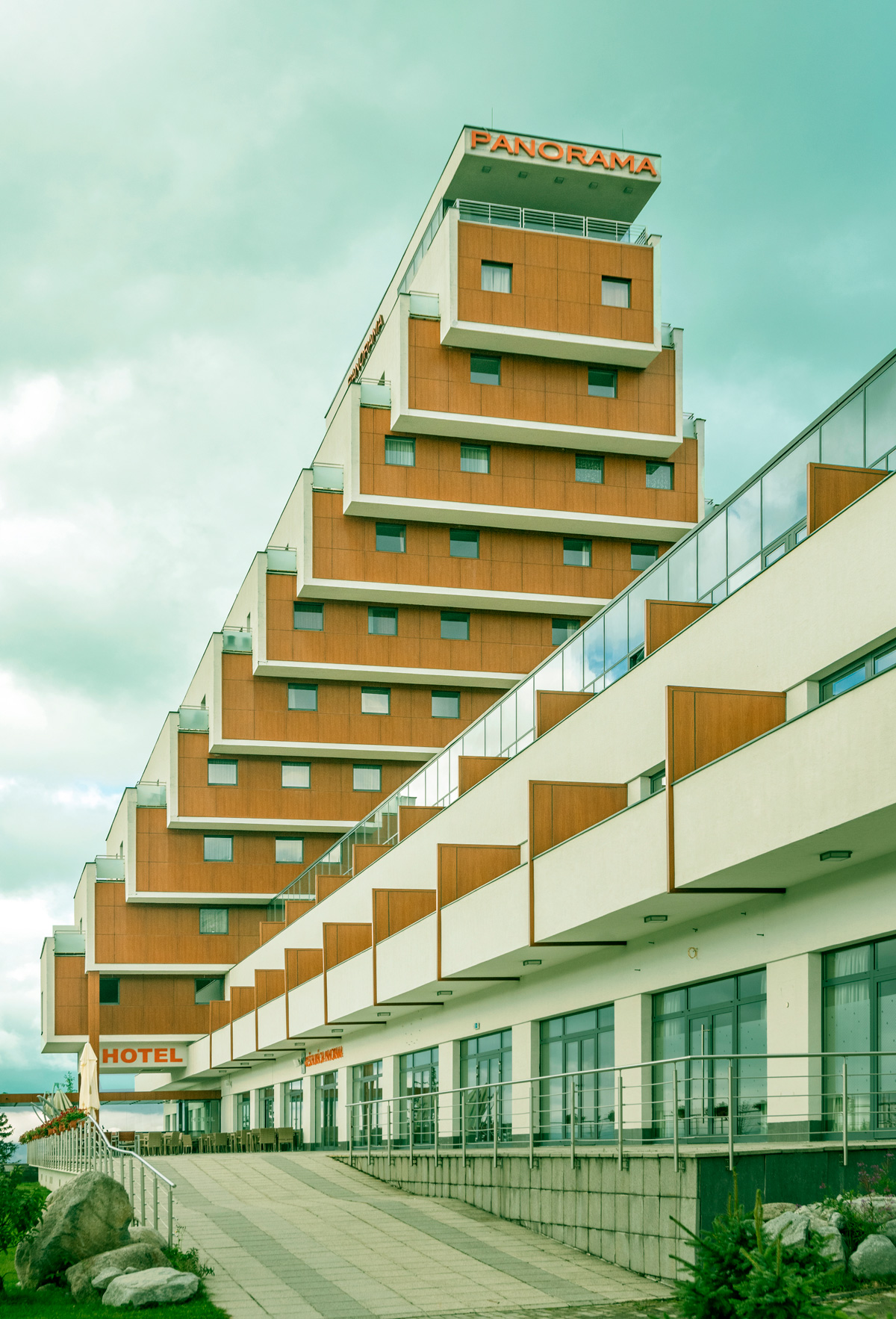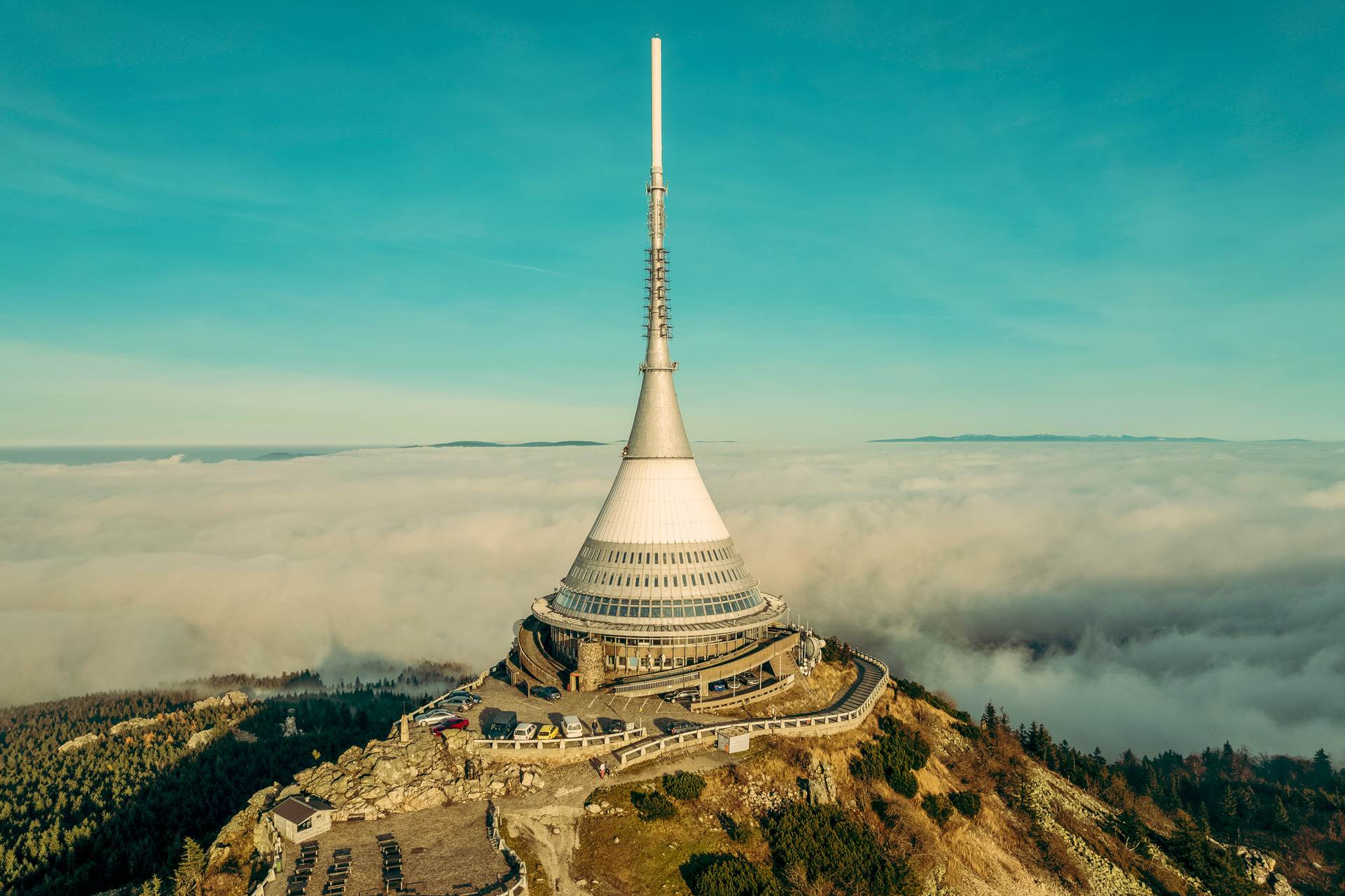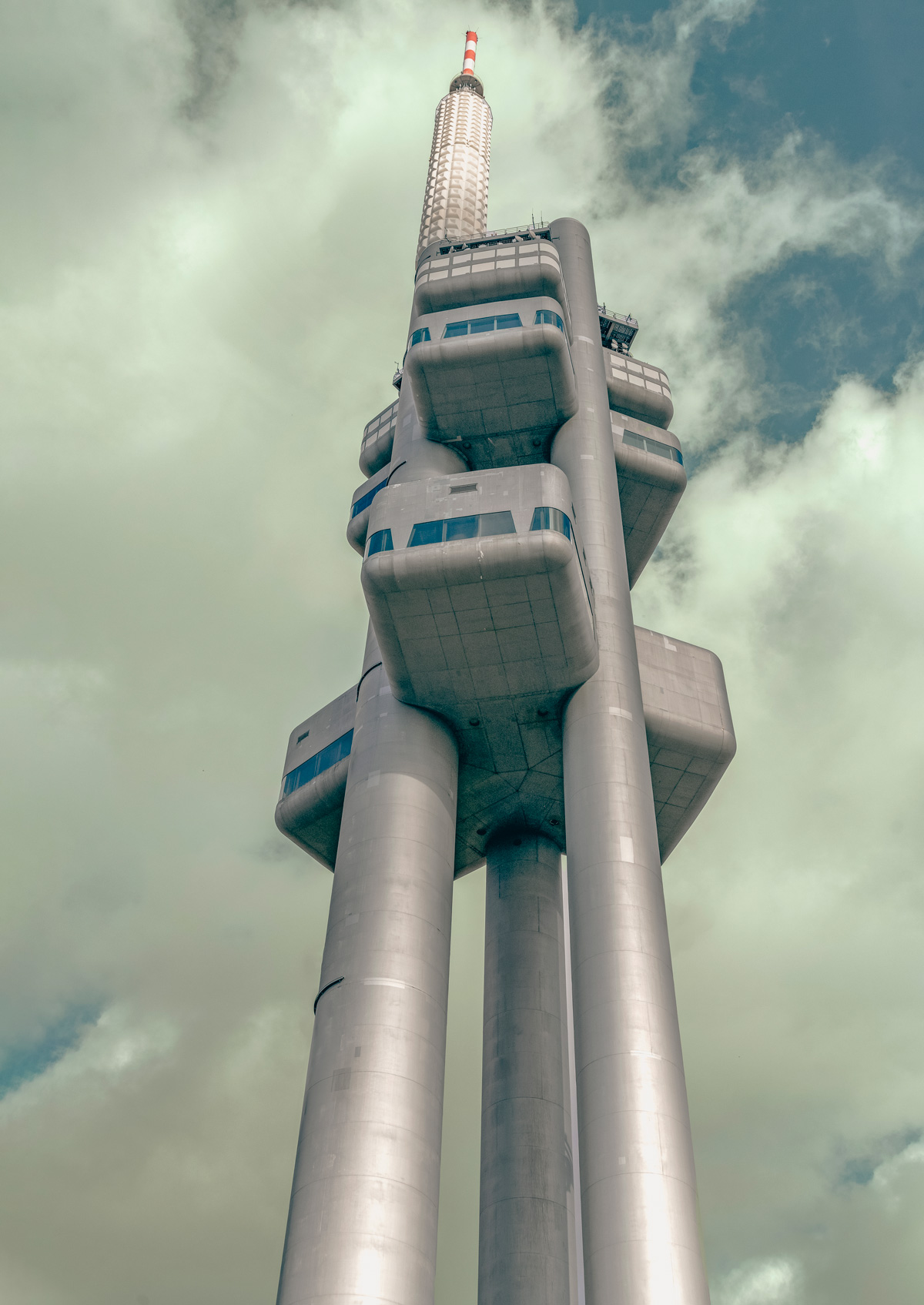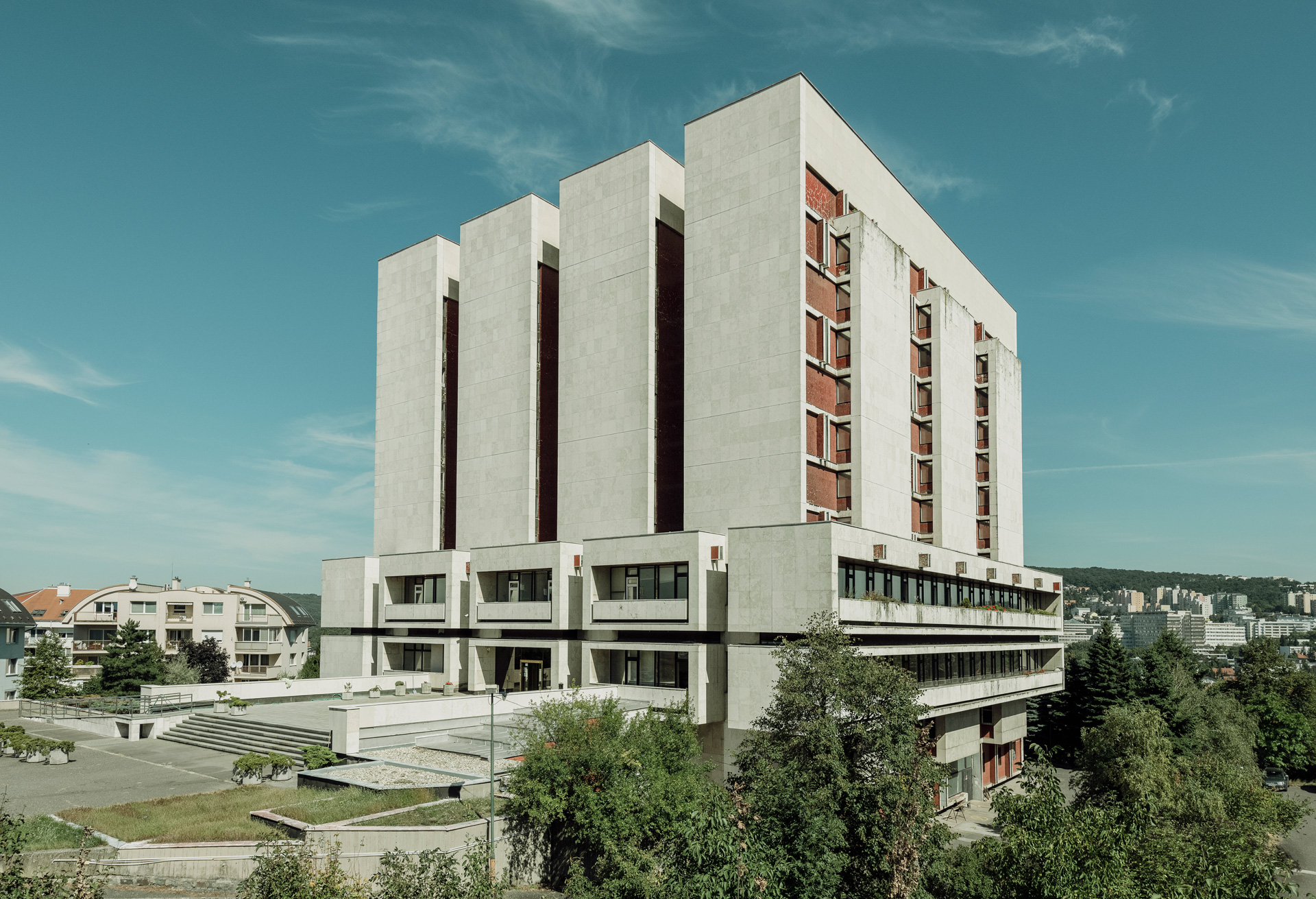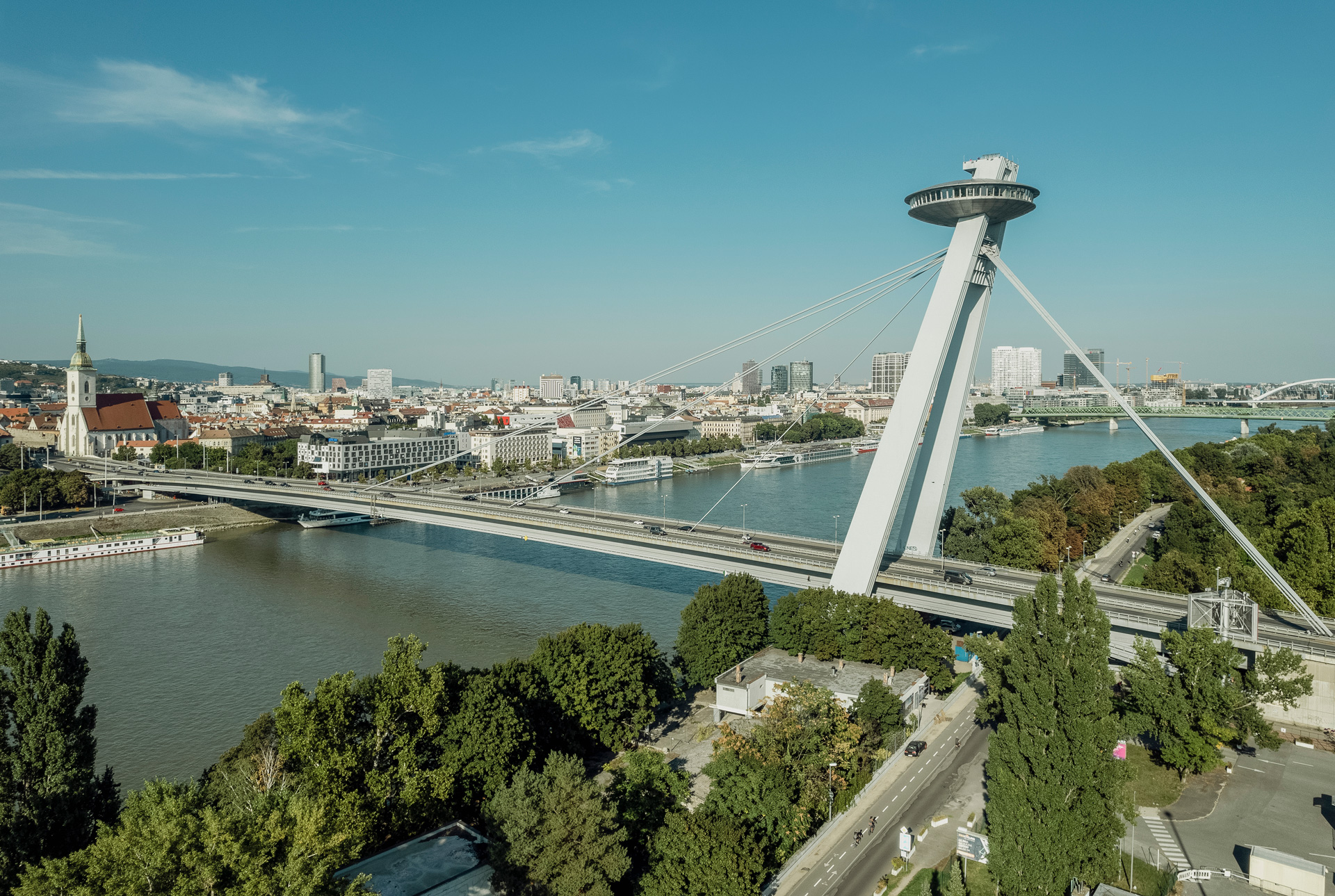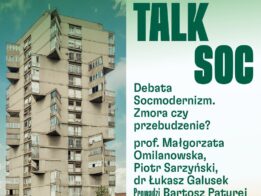
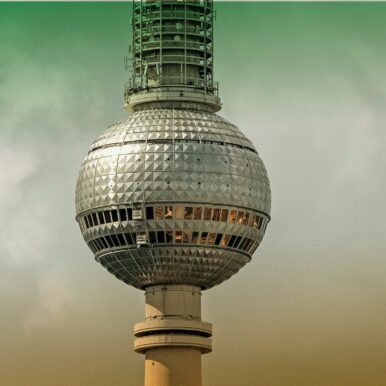
Has socialist architecture left us legacy other than large-panel housing estates? Yes, indeed! Flying saucers, rocket towers, UFO bridges, pyramid hotels, corn skyscrapers and star skyscrapers, Sun Gates, brutalist buildings and sculptural buildings, tent churches and telescope mosques. A new exhibition at the International Cultural Centre tells their amazing story.
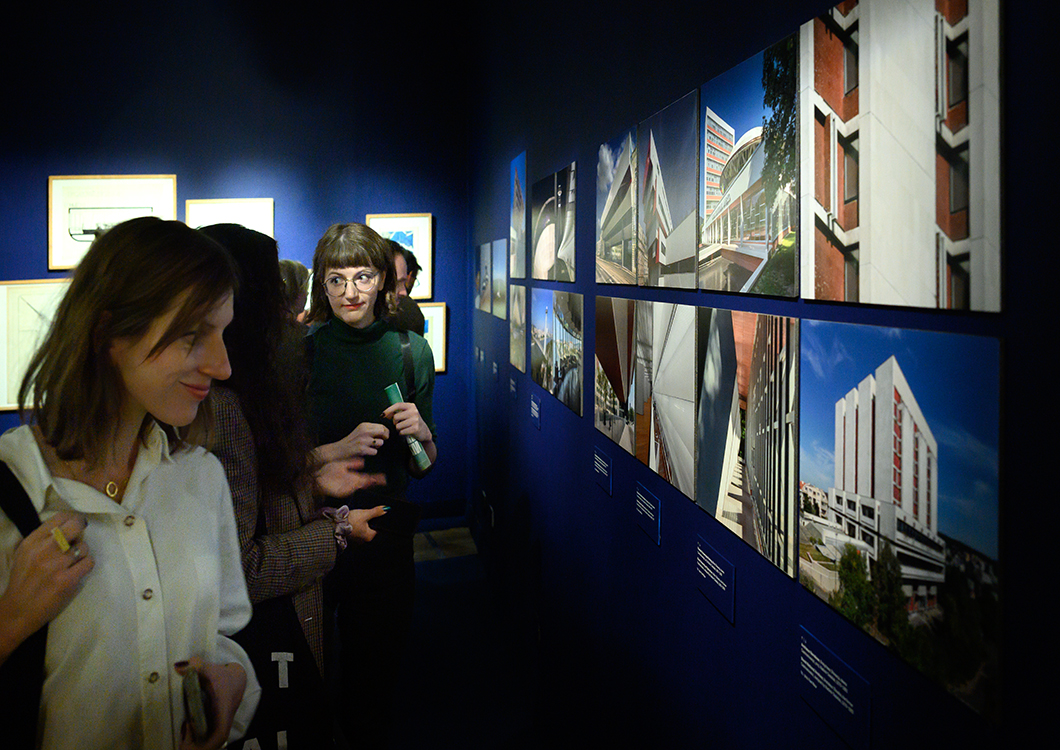
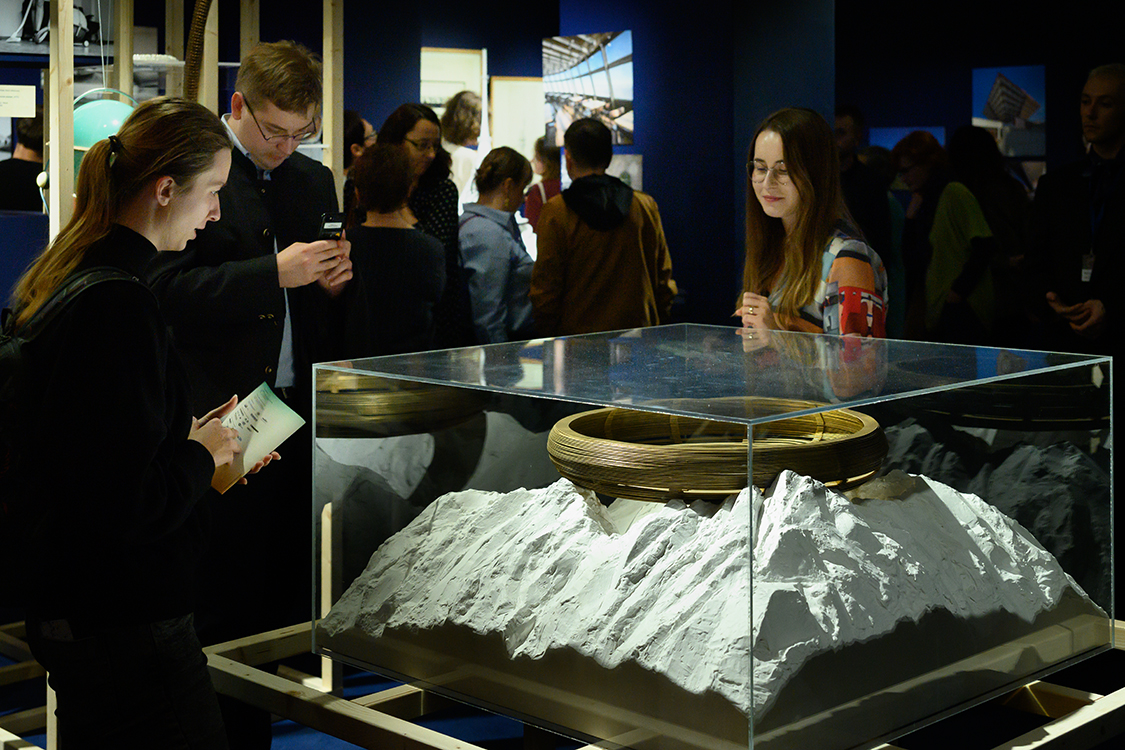
With more than 400 exhibits on display, the exhibition takes visitors on an architectural journey from Estonia to Macedonia, from Tallin to Skopje, through Berlin, Prague, Bratislava, Vilnius, Kyiv, Budapest, Ljubljana, Zagreb, Sarajevo, Belgrade, and Bucharest. We show not only public buildings, theatres, museums and sports halls, skyscrapers and department stores, but also socialist collective houses, ultramodern kolkhozes, wedding palaces and funeral homes. We showcase almost perfect cities! Everything that proudly represents the recent past, yet at the same time has been mocked as an architectural failure since the 1990s.
Even in unfavourable conditions, socialist architects were able to maintain their originality and artistic autonomy. To design works that evade easy judgments. Stick to their own path. Not be trapped by doctrine – neither architectural nor political. Do their own thing. Despite the unprecedented scale of wartime destruction, despite the need to “start from scratch”, many were architects of continuity, faithful to the ethos of their profession and respectful of the achievements of their predecessors. With such a background, they developed an individual style, and many of their works gained the status of icons.
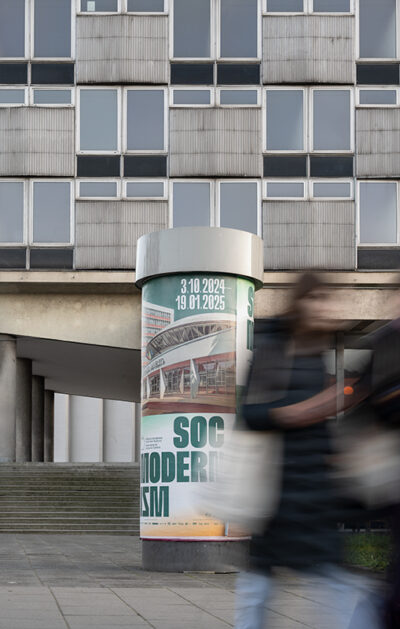
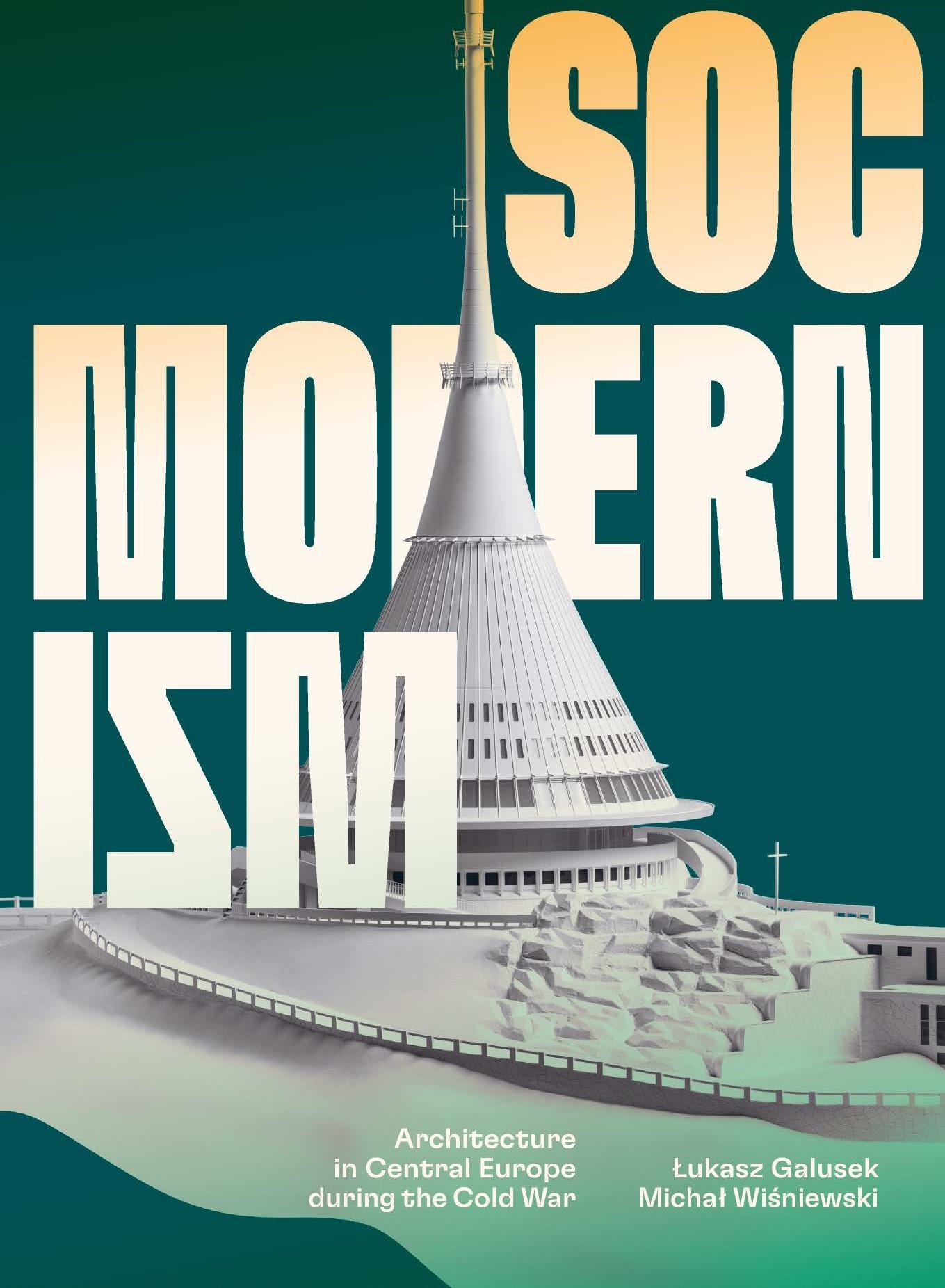
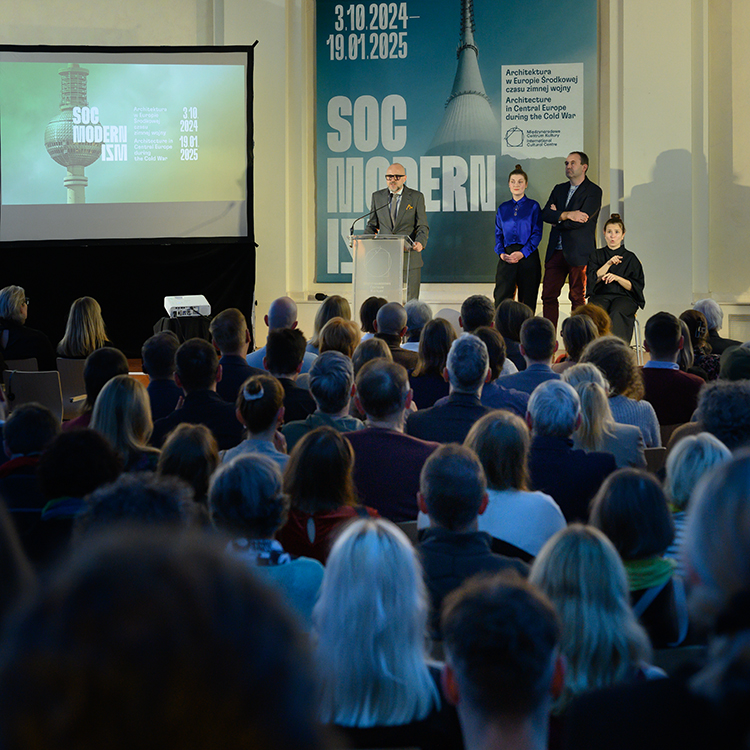
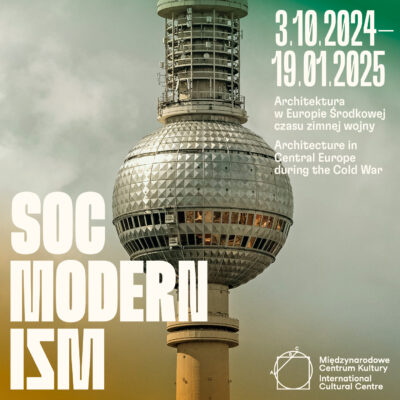
”Socmodernism. Architecture in Central Europe during the Cold War” is the first overview exhibition of the post-war architectural achievements of our part of the continent. It is the result of cooperation between the ICC and leading architectural institutions in the region. The designs, models, and works of art come from the collections of institutions such as: the Architecture Museum in Vienna, the Croatian Museum of Architecture and the Museum of Arts in Zagreb, the National Gallery in Prague, the Museum of Architecture and Design in Ljubljana, the Museum of Architecture in Wrocław, the Estonian Museum of Architecture and the Kumu Art Museum in Tallinn, the Olomouc Museum of Art, the Slovak National Gallery in Bratislava, the Municipal Museum in Tychy, the Institute for Documentation of Architecture of the Silesian Library, Museum of Katowice History, SS. Cyril and Methodius University in Skopje., as well as from many private collections.



ICC programme policy – Agata Wąsowska-Pawlik, Dr. Łukasz Galusek
Exhibition concept – Dr. Łukasz Galusek, Dr. Michał Wiśniewski
Curators – Dr. Łukasz Galusek, Dr. Michał Wiśniewski, Natalia Żak
Visual identity – Kuba Sowiński
Photographic material specially prepared for the exhibition – Paweł Mazur
Exhibition design – Barbara Nawrocka, Dominika Wilczyńska (Miastopracownia)
Production of the exhibition – Dorota Kosiec
DTP – Damian Nowak, Kuba Sowiński
Processing of photographic material – Łukasz Podolak (Studio Weird Gentlemen)
English translation and proofreading – Jessica Taylor-Kucia
Polish editing and proofreading – Paulina Roszak-Niemirska, Piotr Niemirski
Assembling – Jakub Wójtowicz
Lighting and multimedia – Maciek Bernaś, Jan Chołoniewski
Polish Sign Language guide – Jakub Studziński (translation), Dawid Halota (recording and editing)
Audiodescription – Regina Mynarska, Dawid Górny
Cooperation – Joanna Biegacz, Ewa Czarnecka, Magdalena Grabias, Joanna Hojda-Pepaś, Robert Karwowski, Agata Klejzerowicz, Dr. Żanna Komar, Dorota Korohoda, Daniel Krawczyk, Jacek Maj, Dr. Paulina Małochleb, Antoni Michalik, Marcin Pańtak, Łukasz Pieróg, Zofia Rokitka, Bartosz Sadulski, Anna Sawłowicz, Paulina Semianchuk, Anna Śliwa, Dr. Mariusz Soczówka, Klaudia Słupek, Magdalena Spyrka, Karolina Wójcik
Exhibition partners who have lent works from their collections:
Centrum Architektury w Wiedniu (Architekturzentrum Wien)
Chorwackie Muzeum Architektury w Zagrzebiu (Museum of Croatian Architecture in Zagreb)
CIVA — Centrum Informacyjne, Dokumentacyjne i Wystawiennicze Architektury, Krajobrazu i Planowania Przestrzennego w Regionie Stołecznym Brukseli (CIVA, Centre for Information, Documentation and Exhibitions on the city, architecture, landscape and urban planning in the Brussels-Capital Region)
Estońskie Muzeum Sztuki KUMU w Tallinnie (Estonian Art Museum KUMU in Tallinn)
Galeria Jecza w Timișoarze (Jecza Gallery in Timișoara)
Galeria Narodowa w Pradze (National Gallery Prague)
Instytut Dokumentacji Architektury Biblioteki Śląskiej w Katowicach (Institute for Architecture Documentation of the Silesian Library in Katowice)
Muzeum Architektury i Designu MAO w Lublanie (Museum of Architecture and Design MAO in Ljubljana)
Muzeum Architektury we Wrocławiu (Museum of Architecture in Wrocław)
Muzeum Estońskiej Architektury w Tallinnie (Estonian Museum of Architecture in Tallinn)
Muzeum Miejskie w Tychach (City Museum of Tychy)
Muzeum Sztuki Nowoczesnej w Zagrzebiu (Museum of Contemporary Art in Zagreb)
Muzeum Sztuki w Ołomuńcu (Olomouc Museum of Art.)
Regionalna Galeria Sztuk Pięknych w Zlinie (Regional Gallery of Fine Arts in Zlín)
Słowacka Galeria Narodowa w Bratysławie (Slovak National Gallery in Bratislava)
Uniwersytet św.św. Cyryla i Metodego w Skopju (Ss. Cyril and Methodius University of Skopje)
Exhibition partners who have lent works from their collections:
Centrum Architektury w Wiedniu (Architekturzentrum Wien)
Chorwackie Muzeum Architektury w Zagrzebiu (Museum of Croatian Architecture in Zagreb)
CIVA — Centrum Informacyjne, Dokumentacyjne i Wystawiennicze Architektury, Krajobrazu i Planowania Przestrzennego w Regionie Stołecznym Brukseli (CIVA, Centre for Information, Documentation and Exhibitions on the city, architecture, landscape and urban planning in the Brussels-Capital Region)
Estońskie Muzeum Sztuki KUMU w Tallinnie (Estonian Art Museum KUMU in Tallinn)
Galeria Jecza w Timișoarze (Jecza Gallery in Timișoara)
Galeria Narodowa w Pradze (National Gallery Prague)
Instytut Dokumentacji Architektury Biblioteki Śląskiej w Katowicach (Institute for Architecture Documentation of the Silesian Library in Katowice)
Muzeum Architektury i Designu MAO w Lublanie (Museum of Architecture and Design MAO in Ljubljana)
Muzeum Architektury we Wrocławiu (Museum of Architecture in Wrocław)
Muzeum Estońskiej Architektury w Tallinnie (Estonian Museum of Architecture in Tallinn)
Muzeum Miejskie w Tychach (City Museum of Tychy)
Muzeum Sztuki Nowoczesnej w Zagrzebiu (Museum of Contemporary Art in Zagreb)
Muzeum Sztuki w Ołomuńcu (Olomouc Museum of Art.)
Regionalna Galeria Sztuk Pięknych w Zlinie (Regional Gallery of Fine Arts in Zlín)
Słowacka Galeria Narodowa w Bratysławie (Slovak National Gallery in Bratislava)
Uniwersytet św.św. Cyryla i Metodego w Skopju (Ss. Cyril and Methodius University of Skopje)
Materials and artworks were also lent by:
Archiwum „Dziennika Zachodniego” w Katowicach (Dziennik Zachodni Archive in Katowice)
Biblioteka Jagiellońska w Krakowie (Jagiellonian Library in Kraków)
Estońskie Muzeum Sportu i Igrzysk Olimpijskich w Tartu (Estonian Sports and Olympic Museum in Tartu)
Filmoteka Narodowa — Instytut Audiowizualny w Warszawie (National Film Archive — Audiovisual Institute in Warsaw)
Fundacja Fangora w Warszawie (Fangor Foundation in Warsaw)
Fundacja Hundertwassera w Wiedniu (Hundertwasser Foundation in Vienna)
Muzeum Historii Katowic (Museum of the History of Katowice)
Muzeum Plakatu w Wilanowie (Poster Museum at Wilanów)
Oddział Archiwum Państwowego w Gliwicach (Branch Office of the State Archive in Gliwice)
Wytwórnia Filmów Fabularnych we Wrocławiu (Wrocław Feature Film Studio)
Objects from private collections were lent by:
Maria Bertrandt, Vladimir Deskov, Łukasz Galusek, Ana Ivanovska-Deskova, Jovan Ivanovski, Katarzyna Józefowicz, Maria Klimešová, Żanna Komar, Marek Korski, Katarzyna Małyszko, Marko Mušič, Andrei Pandele, Judit Rajk, Michał Wiśniewski
 Print
Print