
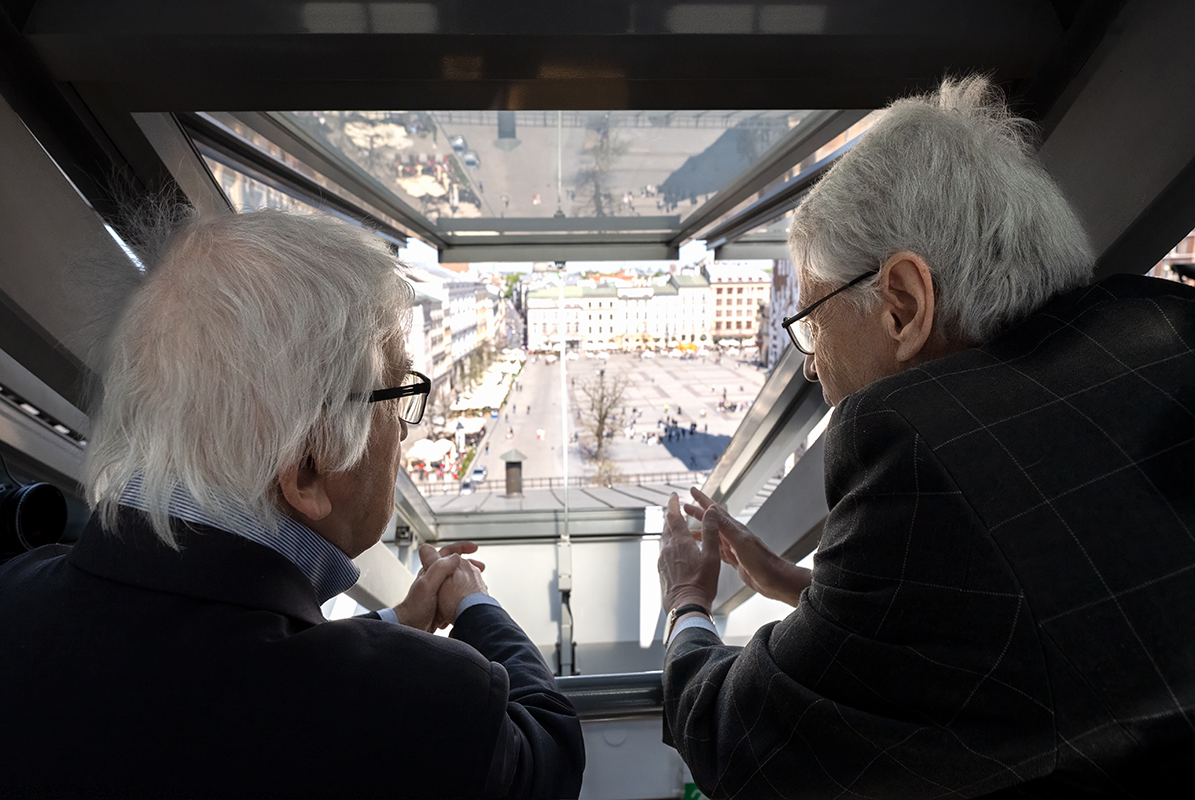
The Centre was established in 1991 on the initiative of the government of Tadeusz Mazowiecki. Its founder and long-standing director was Professor Jacek Purchla. Shaped by his vision, the institution has from the very beginning focused its research and scholarly activities on the broadly understood field of cultural heritage, engaging in active dialogue with Poland’s neighbouring countries and with partners around the world. Since 2018, the Director of the International Cultural Centre has been Agata Wąsowska-Pawlik.
Through its contribution to the international debate on the role of heritage, as well as through the development of extensive international partnerships, the Centre fulfils a mission of public diplomacy aimed at strengthening Poland’s position as an important member of the international community (including UNESCO, the Visegrad Group, the Barcelona Process and the Berlin Process) and as a significant partner in cultural and intellectual cooperation.

PDF (0.18 MB)

The International Cultural Centre approaches the concept of cultural heritage through critical and multifaceted reflection, employing an interdisciplinary framework. In its work, the Centre engages with history, art and architectural history, the phenomenon of memory, the protection of cultural heritage, and the wide range of issues related to its management.
The geographical focus of the Centre’s activities is Central Europe, a region marked by a complex history, particularly in the 20th century. The work of the International Cultural Centre is grounded in the conviction that deeper mutual understanding is essential, as only reliable knowledge enables the overcoming of stereotypes and prejudices and creates a foundation for partnership and cooperation within the region.
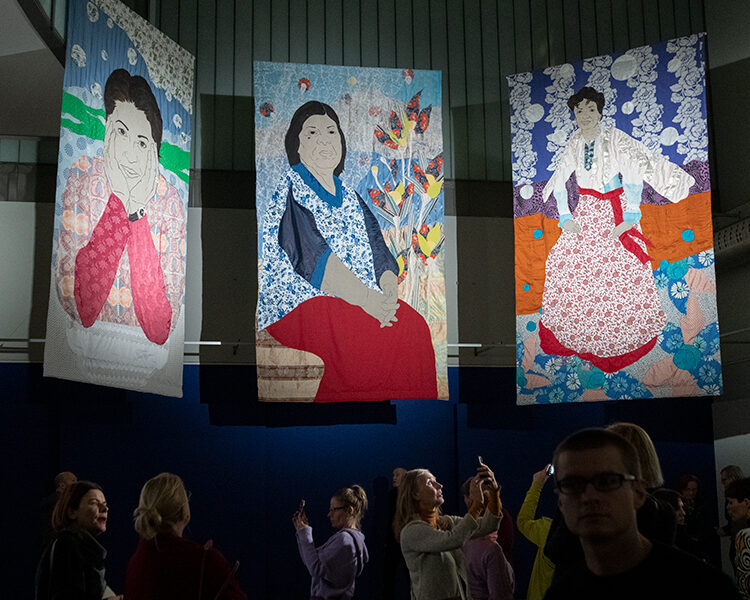
Over the course of more than 30 years of activity, the International Cultural Centre has developed a distinctive model of operation that combines, on the one hand, strictly academic projects addressed to experts and decision-makers, and on the other, initiatives that bring the fascinating world of the history, culture and art of the 20th century closer to Polish audiences, while also presenting contemporary intellectual reflection on heritology, with particular emphasis on Central Europe.
In addition, the International Cultural Centre has succeeded in bringing together, within and around the institution, an outstanding group of experts and practitioners who shape and implement its substantive programme and who share the values that guide our work. An undeniable asset of the Centre is its headquarters at Rynek Główny 25 in Kraków, where the harmonious integration of a historic townhouse with contemporary architecture exemplifies the institution’s mission.
The International Cultural Centre was established according to an original and experimental formula developed by Professor Jacek Purchla. This approach allows, on the one hand, for an interdisciplinary and comprehensive examination of the issues under consideration, and on the other, enables their presentation and dissemination in an engaging and accessible form.
Over the course of three decades of activity, the International Cultural Centre has gained unique experience as both a participant in Poland’s systemic transformation and an observer of its impact on the cultural sector. The Centre has been a pioneer of modern thinking about culture and heritage, particularly in the context of their management and their relevance for contemporary society.
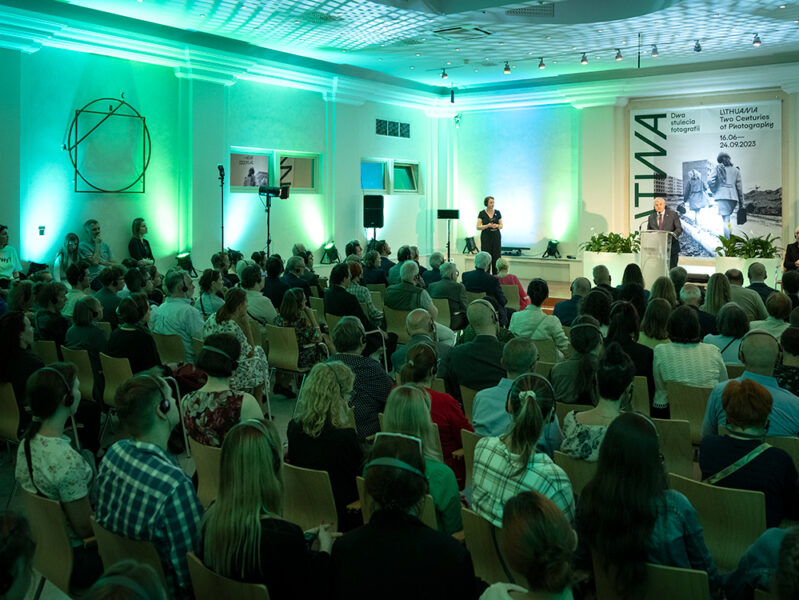
The International Cultural Centre’s significant intellectual output—documented in more than 5,000 bibliographic entries—has helped establish the institution’s reputation as a professional and authoritative centre dedicated to cultural heritage and the issues of Central and Eastern Europe among intellectual and academic circles, as well as among practitioners involved in heritage protection both in Poland and internationally.
The directions of activity and the projects undertaken by the International Cultural Centre are reviewed by the Programme Council — a body composed of distinguished intellectuals from Poland and Central Europe, whose expertise and authority provide substantive support to the Centre’s work.
The headquarters of the International Cultural Centre is the historic townhouse known as The Ravens House at Kraków’s Main Market Square. Following a multi-stage programme of reconstruction and modernisation (carried out between 1998 and 2009), the building was adapted to serve the needs of the institution and its activities.
The Centre’s premises comprise not only offices and workspaces, but above all a space for dialogue with the public: a conference hall for approximately 200 participants, smaller seminar rooms (including historic cellars that also function as exhibition spaces), a modern library with a reading room, and exhibition galleries equipped to meet museum standards.
The headquarters itself stands as a hallmark of the International Cultural Centre as a laboratory of modern thinking about heritage — contemporary architecture has been thoughtfully integrated into the historic fabric of the building, and the entire space has been adapted to ensure accessibility for people with disabilities.