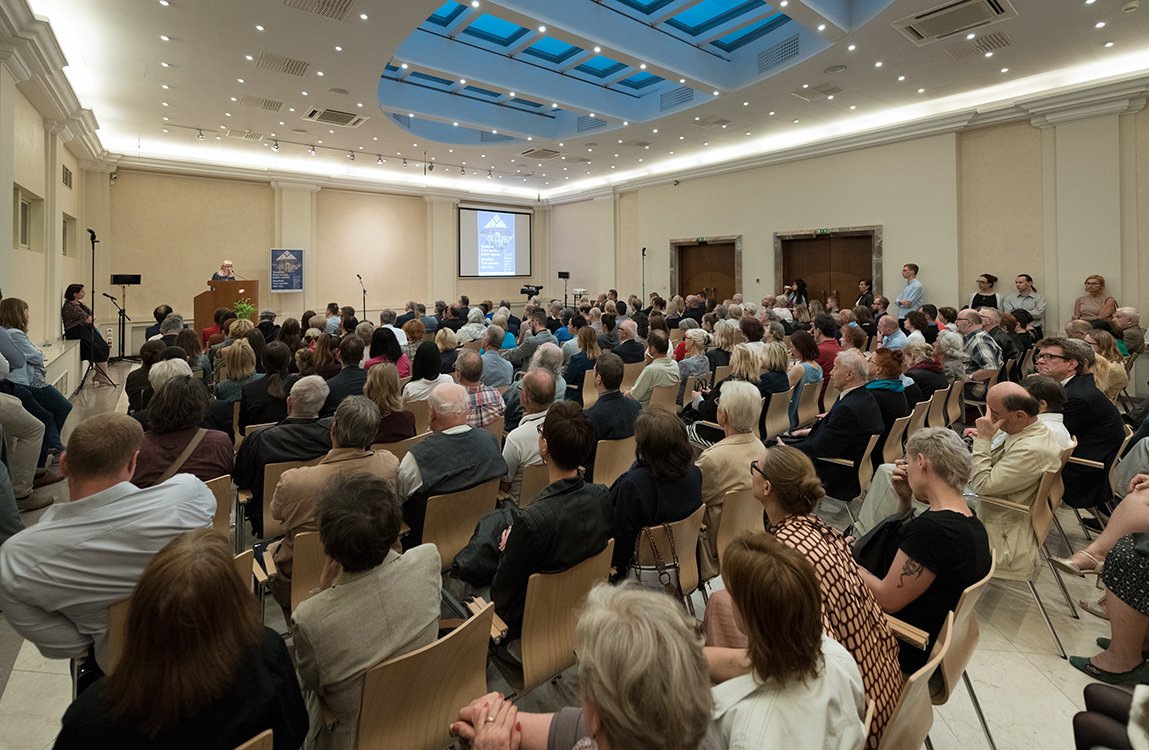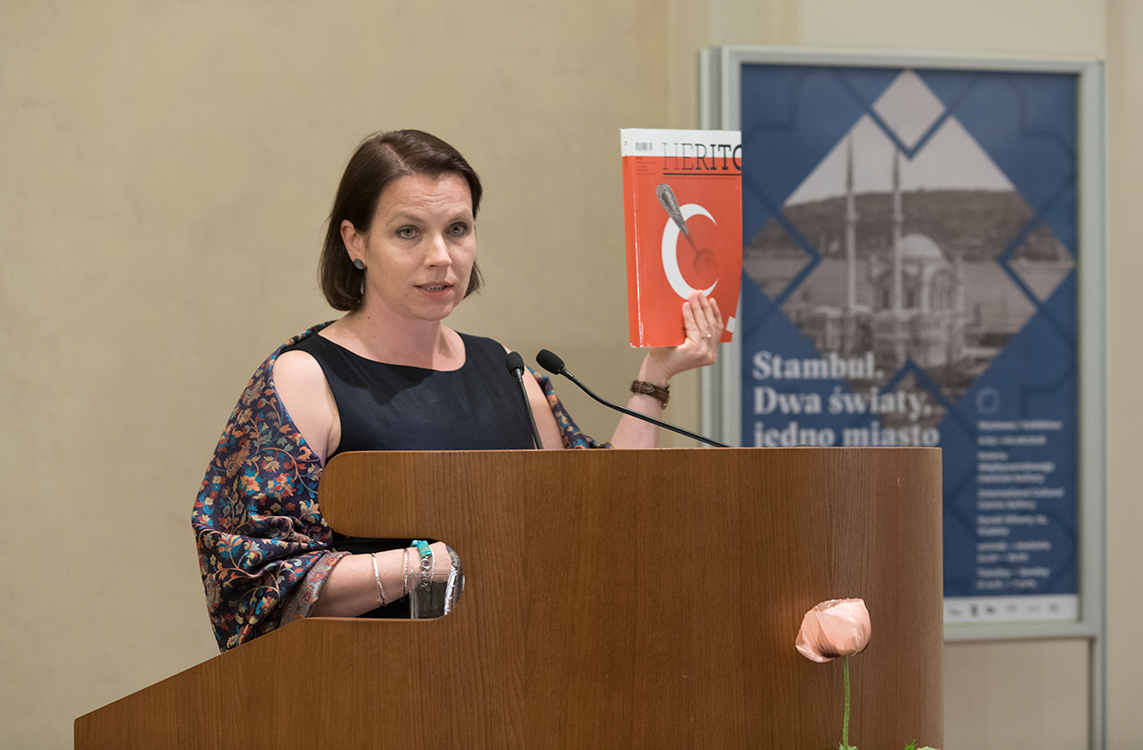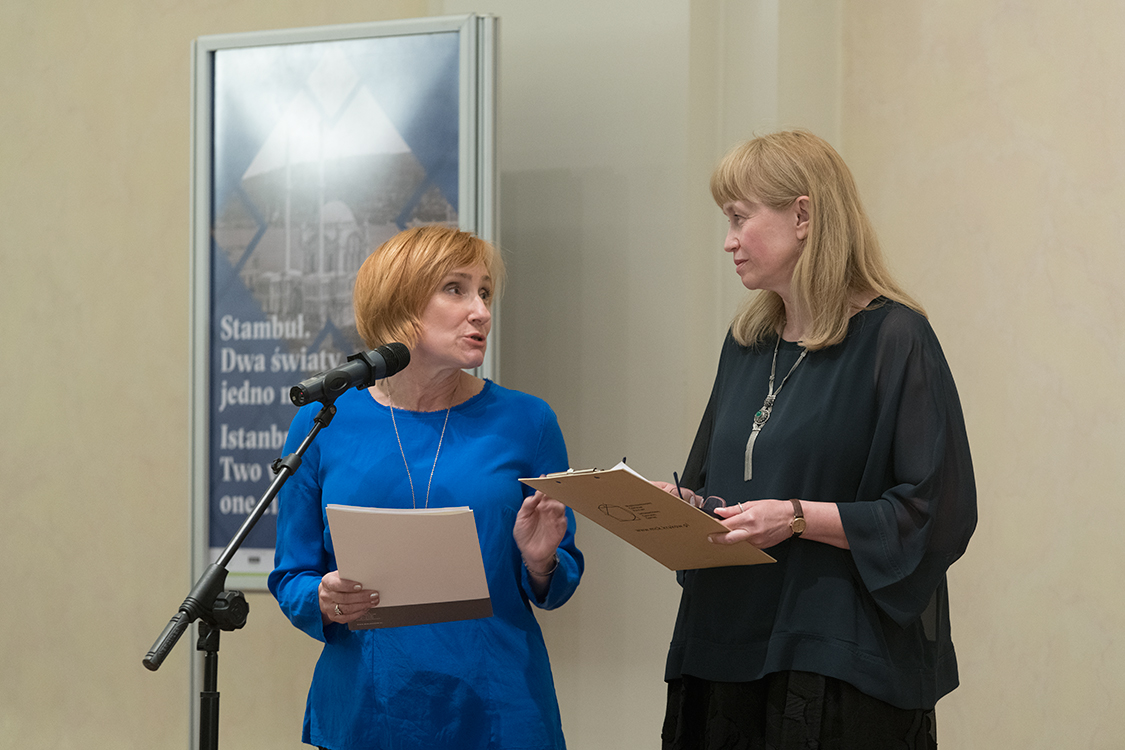
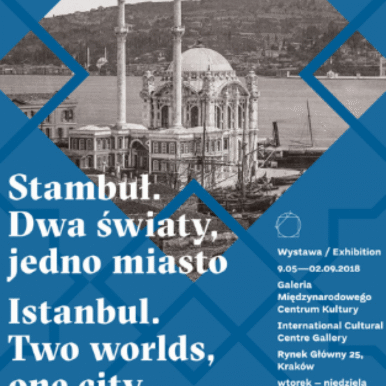
The only city of its kind – the place where two continents are brought together and where two worlds meet. The only century of its kind – the time when the institution of sultanate was in decline, the republic was being born, and modernity was just about to revolutionise the old ways of life. The only story of its kind – a captivating narrative made from an assemblage of photographs, paintings, postcards, and posters.
Istanbul from the mid-19th to the mid-20th century. The Constantinople-based old town, vibrant and teeming with life fin-de-siècle Pera neighbourhood, as well as districts located on the Asian side of the strait with their overwhelming atmosphere of the “Levant”. The always crowded Golden Horn, as well as peaceful areas situated along the meandering Bosporus. Street vendors selling boza and baklavas, shopping malls, luxurious hotels (one of them features in Agatha Christie’s famous Murder on the Orient Express). Turkish coffee, shadow theatre, post-offices, telephone and telegraph. Fezes and wide brim hats, niqaabs and disrobed Miss Turkey. The court of the last Sultan, as well as a lesson of new alphabet. The “city of the cities” in the century of great change.
Postcards experienced a meteoric rise in popularity. Drawing heavily from the achievements of photography, they became not only a means of correspondence but also a treasured souvenir from oriental journeys.
One of the masters of this form was Max Fruchterman — a Galician by origin — whose numerous works were featured in the exhibition.
The decadent atmosphere of the capital of an empire often referred to as “the sick man of Europe” also captivated painters, including many Polish artists.
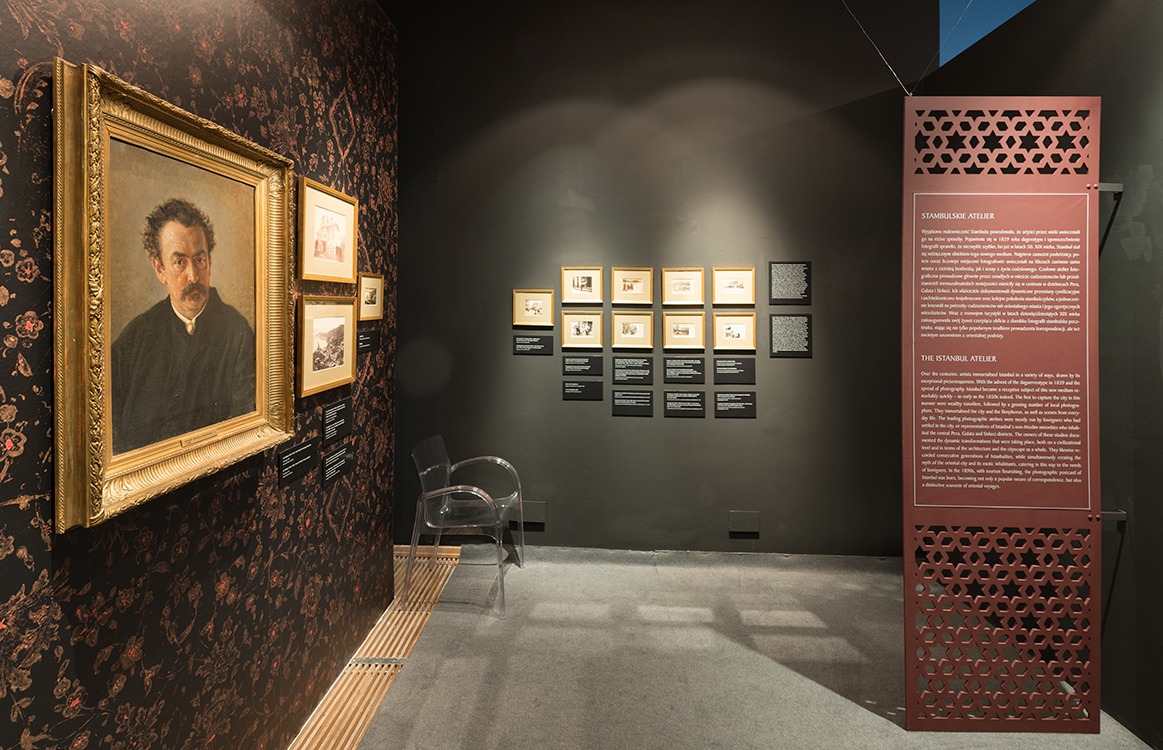
Jan Matejko spent several weeks on the Bosporus in 1872. The outstanding, though only recently rediscovered, landscape painter Jan Ciągliński created his impressionist works in Istanbul.
Stanisław Poraj Chlebowski became the court portraitist of Sultan Abdülaziz. Many of the works produced during this period were shown in the exhibition.
At the same time, a period of profound transformation was approaching.
The former Constantinople became irrevocably Istanbul; the centuries-old coexistence of diverse ethnic and religious communities came to an end with the emergence of the modern republic; and the Latin alphabet replaced the Arabic script.
Photographers of successive generations followed this process closely, meticulously — though not always consciously — documenting its signs and symptoms.
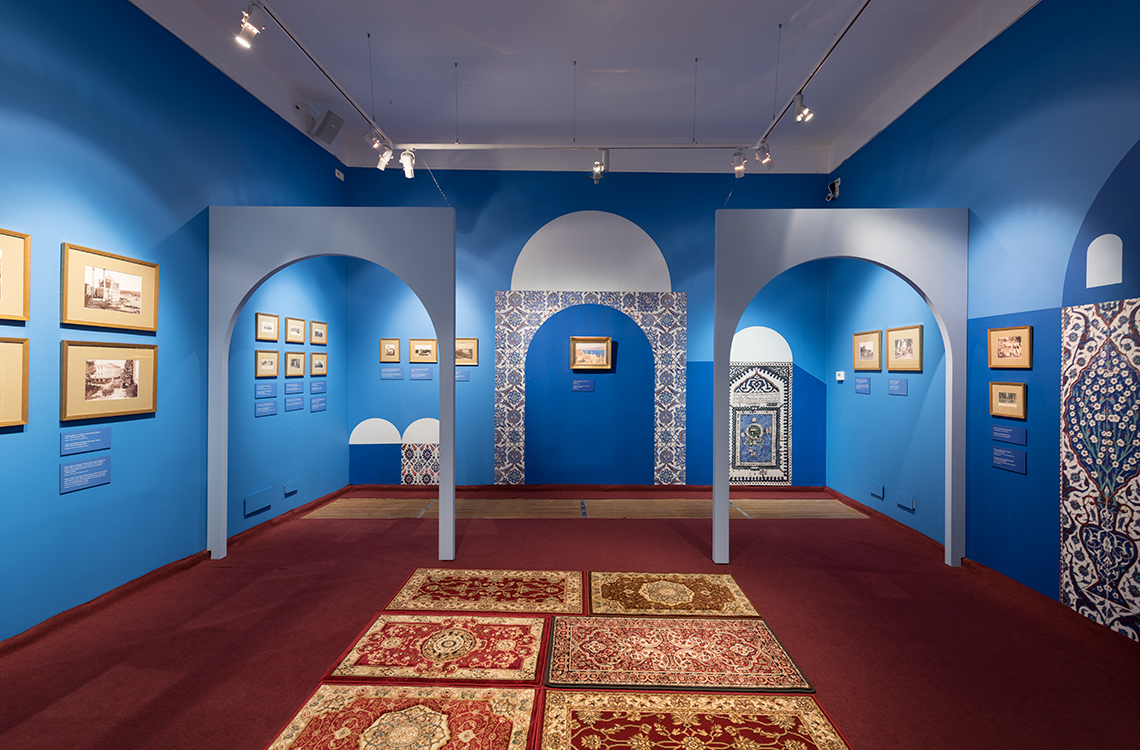
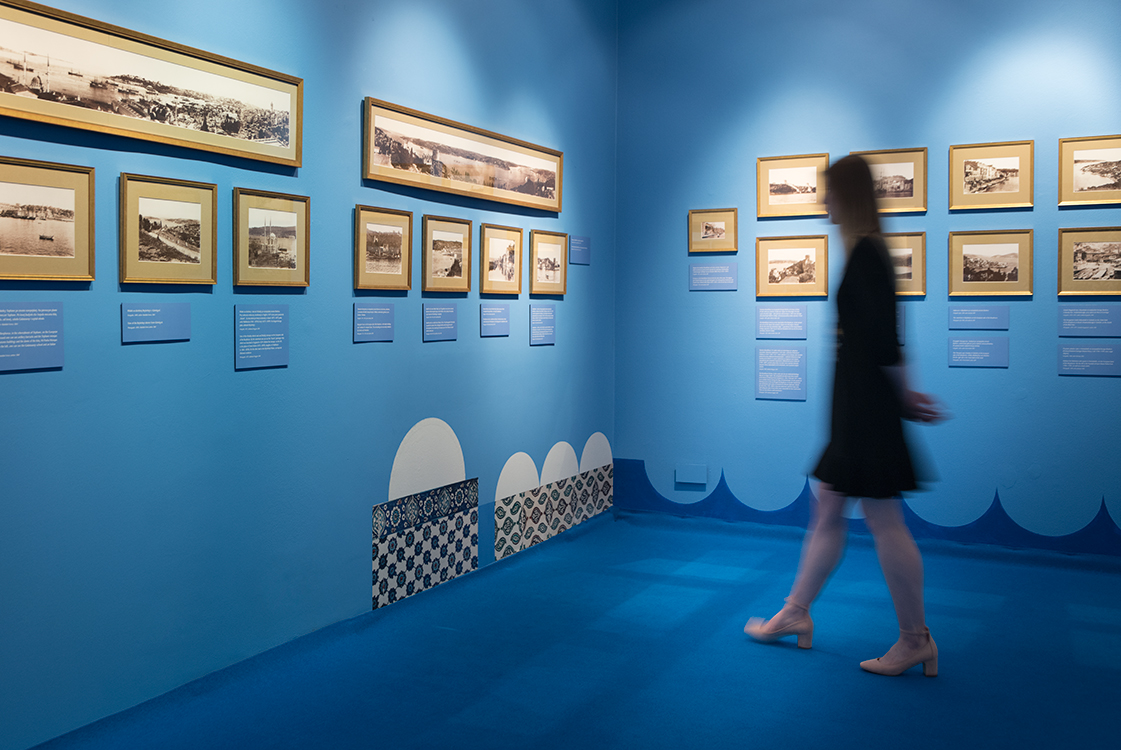
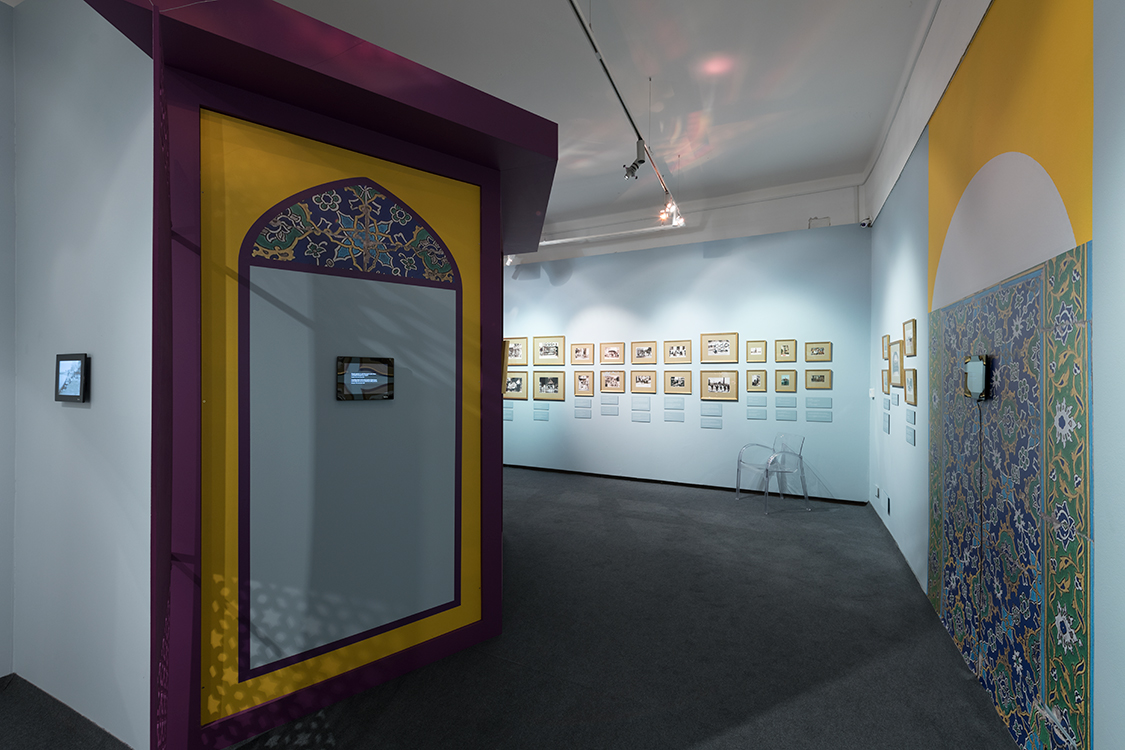
The ICC Gallery featured the works by Istanbul’s leading photographers such as James Robertson (the first Istanbul photographer known to have taken 360° panoramic photographs of the city). The core of the display comprised photographs, postcards and posters from the Suna & İnan Kıraç Foundation collection. The exhibition was fleshed out with postcards and images from Piotr Nykiel’s personal collection, “oriental” paintings and drawings by Jan Matejko, Jan Ciągliński, Stanisłąw Chlebowski, Wacław Pawliszak, Félix Ziem, and Marian Mokwa from the National Museum in Warsaw, National Museum in Krakow, as well as Regional Museum in Toruń.
The exhibition was accompanied by the publication of the album Istanbul. Two Worlds, One City.



Curators: Dr Beata Nykiel, Dr Monika Rydiger
Academic assistance: Dr Piotr Nykiel
Exhibition design: Rafał Bartkowicz
Organisation and co-ordination: Kama Guzik
Prints’ design: Jurek Tchórzewski
Istanbul. Two worlds, one city catalogue design: Kuba Sowiński