
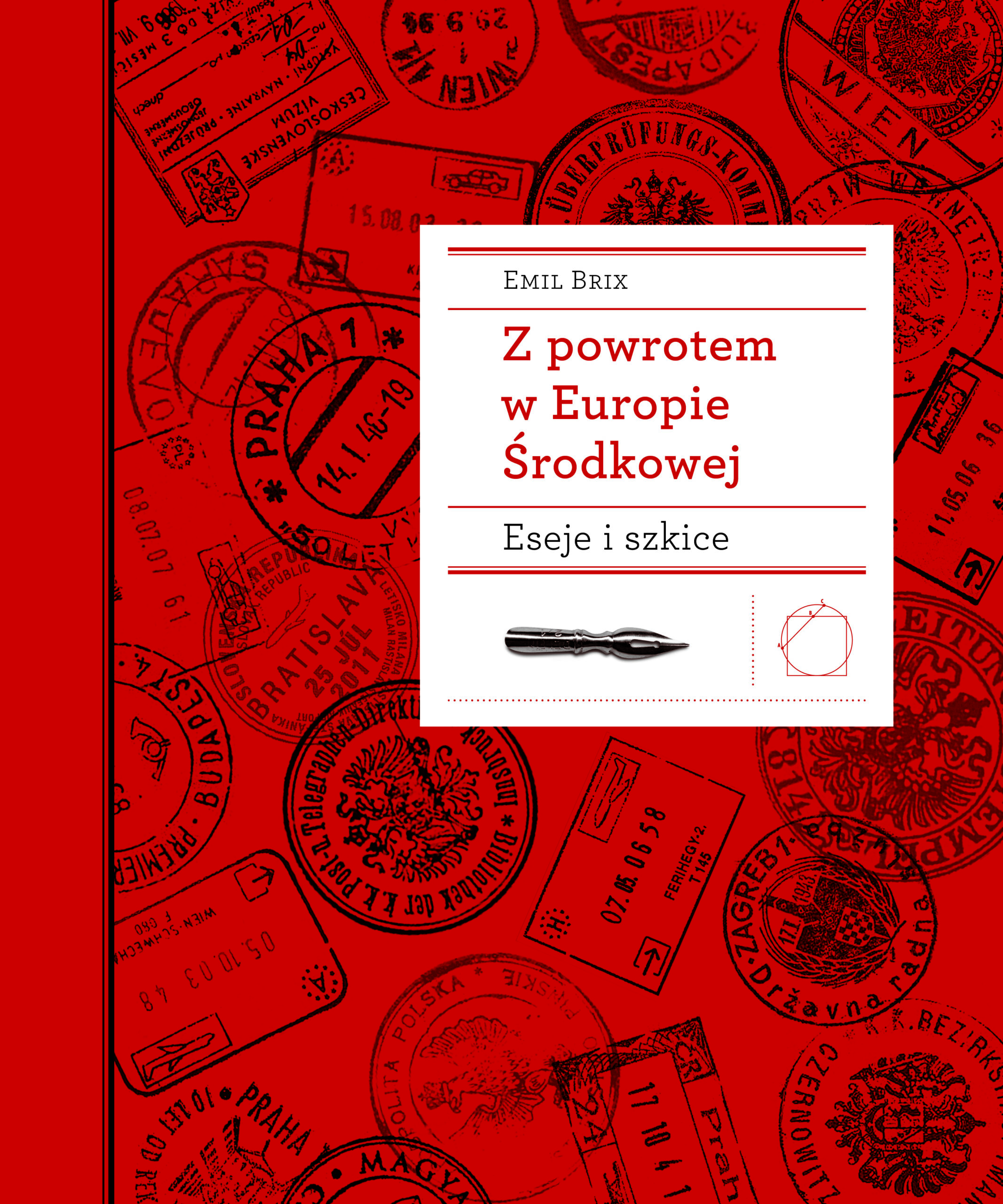
The essays collected in this volume discuss the impact of tradition and pluralism on the modern day lives of people in Central Europe and the whole continent, from the demise of the Habsburg monarchy to contemporary neighbourly relations.
They have been written over the past 20 something years, and give insight into the opportunities and needs of rediscovering Europe’s cultural identity by successfully overcoming the differences between the East and West. The peaceful, democratic revolutions that swept through Central and Eastern Europe in 1989 were the first opportunity in history for a common vision of Europe to emerge. Its cultural heritage has all the hallmarks of a convincing concept for Central Europe. The culture forming impact of its heritage lies in the experience based observation that cultural differences are the key strength of Central European societies.
Translated into Polish by Anna Śliwa
Content
Jacek Purchla – Europejczyk Środka
Słowo wstępne
Część pierwsza
Widziane z Wiednia
Polska i Austria w nowej Europie
„Czwarty dzień w Galicji jeszcze nie nastał”. Przyszłość przeszłości
Środkowoeuropejska tożsamość Austrii
„Volk begnadet für das Schöne”. Uwagi na temat polityki kulturalnej Austrii
Ostatnia utopia. Rola Austrii w powrocie do Europy Środkowej
Część druga
Rola historii w politycznej przemianie Europy Środkowej
Elias Canetti a „niedomknięta” Europa
Praga 1968. Koniec ideologicznej iluzji
Przyszłość Europy. Komentarz do debaty na temat integracji europejskiej po 1989 roku
Część trzecia
Pluralizm. Powrót moderny
Liberalizm, demokracja, nacjonalizm
Geopolityka a społeczeństwo obywatelskie
Humanizm w XXI wieku
Polityczna dyskusja o „kulturze wiodącej” jako krytyka nowoczesności i sekularyzacji
Nota edytorska
Indeks nazwisk
O autorze