
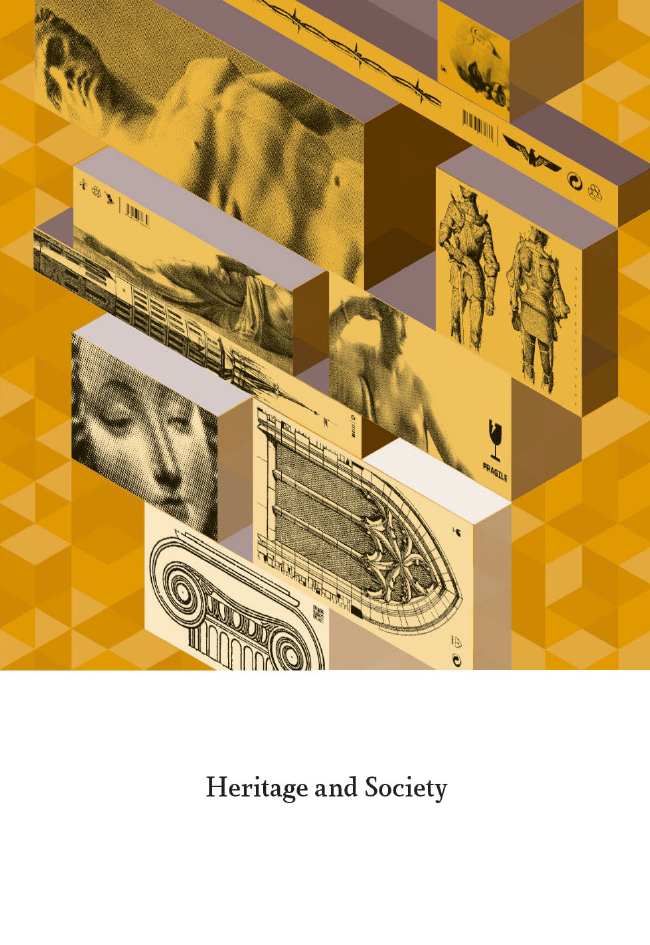
Dlaczego dziedzictwo zawsze do kogoś należy? Jakie są jego społeczne funkcje? Jaki jest dziś stosunek społeczeństwa do istotnej, choć często trudnej przeszłości dziedzictwa? W jaki sposób dziedzictwo kształtuje społeczności, w których żyjemy? Książka „Heritage and Society” stanowi próbę znalezienia odpowiedzi na pytania o społeczny wymiar dziedzictwa kulturowego.
Publikacja składa się z pięciu części poświęconych m.in. zagadnieniom dziedzictwa kłopotliwego czy niechcianego, roli dziedzictwa w formowaniu narodu, własności miejsc dziedzictwa, dziedzictwa niematerialnego czy przyszłości badań heritologicznych. Znalazło się w niej dwadzieścia siedem esejów międzynarodowych specjalistek i specjalistów – zajmujących się socjologią, historią, badaniem literatury, architekturą, urbanistyką i menedżerstwem kultury – z takich krajów jak Kanada, Czechy, Niemcy, Węgry, Włochy, Litwa, Malta, Holandia, Polska, Słowacja, Słowenia czy Wielka Brytania. Wśród autorów są m.in. Sharon Macdonald, John Tunbridge czy Cristina F. Colombo.
Wydawnictwo jest recenzowaną monografią zbiorową zawierającą wybrane artykuły badaczy, którzy uczestniczyli w 4. Forum Dziedzictwa Europy Środkowej w Międzynarodowym Centrum Kultury w Krakowie w 2017 roku. Tematem konferencji była analiza wzajemnych relacji pomiędzy dziedzictwem a społeczeństwem.
Książka ukazała się w serii „The Heritage Forum of Central Europe” poświęconej problematyce dziedzictwa kulturowego, ze szczególnym uwzględnieniem Europy Środkowej. Każdy tom zawiera artykuły napisane przez uznanych specjalistów, a także nowych badaczy. Tematy poszczególnych książek pokrywają się z odbywającymi się co dwa lata konferencjami organizowanymi pod patronatem Grupy Roboczej Ekspertów ds. Dziedzictwa Kulturowego Krajów Grupy Wyszehradzkiej i odbywającymi się w Międzynarodowym Centrum Kultury w Krakowie.
Spis treści
Robert Kusek, Jacek Purchla, Heritage and/for Society
John Tunbridge, The Changing of the Guard: A Heritage Perspective Through Time
Sharon Macdonald, Heritage Traces, Differences, and Futures: New Research Approaches to Heritage and Society
Part 1: Contested? Dissonant? Difficult?
Cristina F. Colombo, Landscapes of Memories: Wide Narrations on Contentious Heritages
Aleksandra Paradowska, The Dissonant Heritage of Nazi Architecture in Poland: The Case of the Imperial Castle in Poznań
Jakub Muchowski, Aleksandra Szczepan, The Afterlife of Killing Sites: Vernacular Practices of Memory in Poland
Jan van’t Hof, From Shared History to Contested Heritage: Some Examples How Difficult Heritage Is Being Dealt with in the Netherlands
Tobias Strahl, The Longing for History and Patterns of Exclusion: Heritage and Society in the City of Dresden
Ulrike Zitzlsperger, Heritage for Sale: Berlin Wall Souvenirs
Andreja Rihter, Mass Graves: Hidden World War II in Slovenia
Francesca Lanz, Adaptive Reuse and Heritage Making
Anna Staniewska, Translating Fortified Landscape Heritage to the Public: Dilemmas on Rehabilitation, Popularisation, and Conservation Methods
Part 2: Memory and/of Nations
Ralf Hoppadietz, Karin Reichenbach, Nationalist Appropriations of Open-air Museums and Prehistory Re-enactment in Germany and Poland: Past and Current Trends of the Politicisation of Archaeological Heritage
Aleksander Łupienko, Architectural Heritage and Nation Building in the Kingdom of Poland and Galicia Before 1914
Robert Born, Beate Störtkuhl, Kunstschutz in the Theatres of World War I and the Creation of Heritage and Memory
Adrienne Wallman, Jewish-British-European: Personal Heritage and Relationship with Place
Mareike Späth, Creating and Debating Independence as National Heritage in Madagascar
Part 3: People’s Places
Květa Jordánová, Education, Training, and Sustainable Development at Industrial Heritage Sites
Anna Rawicka, Jan Salm, New Suggestions of Interpretation and Activation of Postindustrial Urban Landscape of Łódź: In Defence of Authenticity
Alexandra Bitušíková, Sustainable Heritage Tourism in Slovakia: Challenges and Opportunities (?)
John Ebejer, Using Fortifications for Tourism: Can Conservation Objectives Be Reconciled with Financial Sustainability?
Federica Gonzato, Marco Peresani, Enhancing the Palaeolithic: Strategies and Social Involvement
Matteo Rigamonti, The ss. Nazario e Celso Monastery Cloister Creation Project: Adaptive Reuse Design Between Conservation, Experience, and Positive Social Repercussions
Part 4: Communities and Living Heritage
Stsiapan Stureika, First Steps Forward: Social Dimension of Heritage-related Projects in Belarus
Tamás Fejérdy, Possibilities and Responsibilities of NGOs as Custodians of Cultural Heritage
Marlen Meissner, The Same but Different: A Bourdieusian Approach to Intangible Cultural Heritage and Its Potentials for Development
Daniel Drápala, Martina Pavlicová, The Intangible Cultural Heritage in the Czech Republic from the Perspective of Its Bearers: Visions of the UNESCO and Their (Un)real Implementation
Ewa Bichta, Funeral Rituals in Village Communities as Intangible Cultural Heritage
About the Authors